
Why Is My Lettuce Wilting? Causes and Solutions
Nothing says “something’s wrong” like a bed of lettuce that was perky yesterday and limp today. The good news: lettuce wilting is usually fixable if you catch the cause early. Let’s figure out what’s going on.
Why Is My Lettuce Wilting? The Quick Answer
Lettuce is about 95% water and has shallow roots, so it can’t handle stress for long. Most lettuce wilt problems come down to one of five things: heat, uneven watering, root damage, disease, or pests. Wilting is a symptom, not the problem itself, so the trick is to match the clue to the cause.
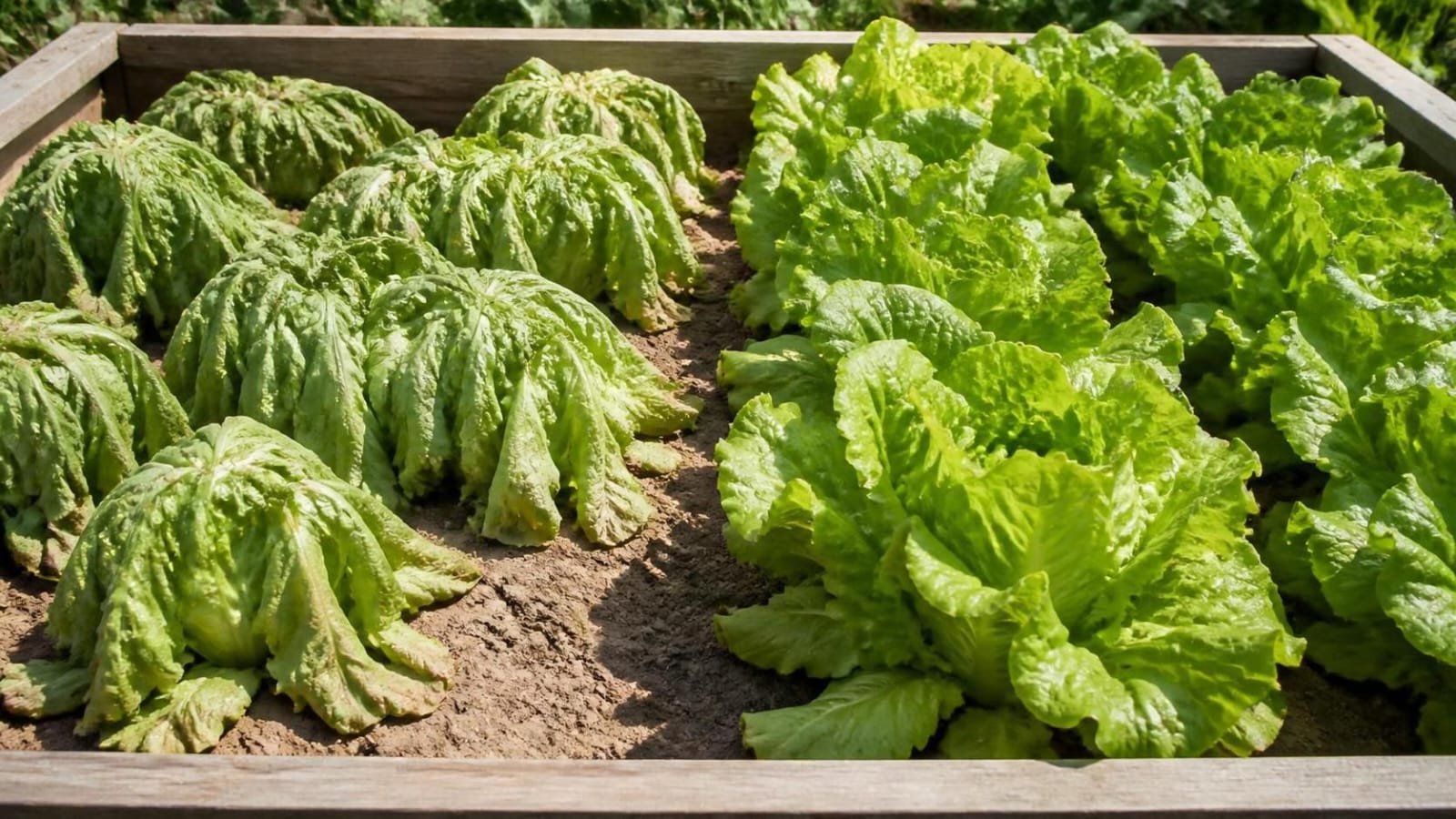
1. Heat Stress
Lettuce is a cool-season crop that likes temperatures between 60 and 70°F. When it climbs past 80°F, leaves lose water faster than the roots can replace it, and you’ll see lettuce drooping in the afternoon sun.
Quick check: If the plants perk up in the evening, heat is the likely culprit.
If the weather stays hot, wilting often leads to bitter taste and a tall flower stalk. Read our guide on lettuce bolting to see how to spot it before the harvest is ruined.
2. Underwatering
Shallow roots dry out fast. Soil that’s dry an inch down means thirsty plants, and leaves will feel soft and papery.
Fix: Water deeply, about 1 to 1.5 inches per week, and more during hot spells. Water at the base in the morning so leaves stay dry.
3. Overwatering and Poor Drainage
This one surprises people. Soggy soil starves roots of oxygen, and roots that can’t breathe can’t drink. The plant wilts even though the ground is wet.
Check for: Mushy, brown roots, a sour smell, and wilting that doesn’t improve after watering. Raise your beds, add compost, and let the top inch of soil dry between waterings.
4. Root Problems and Pests
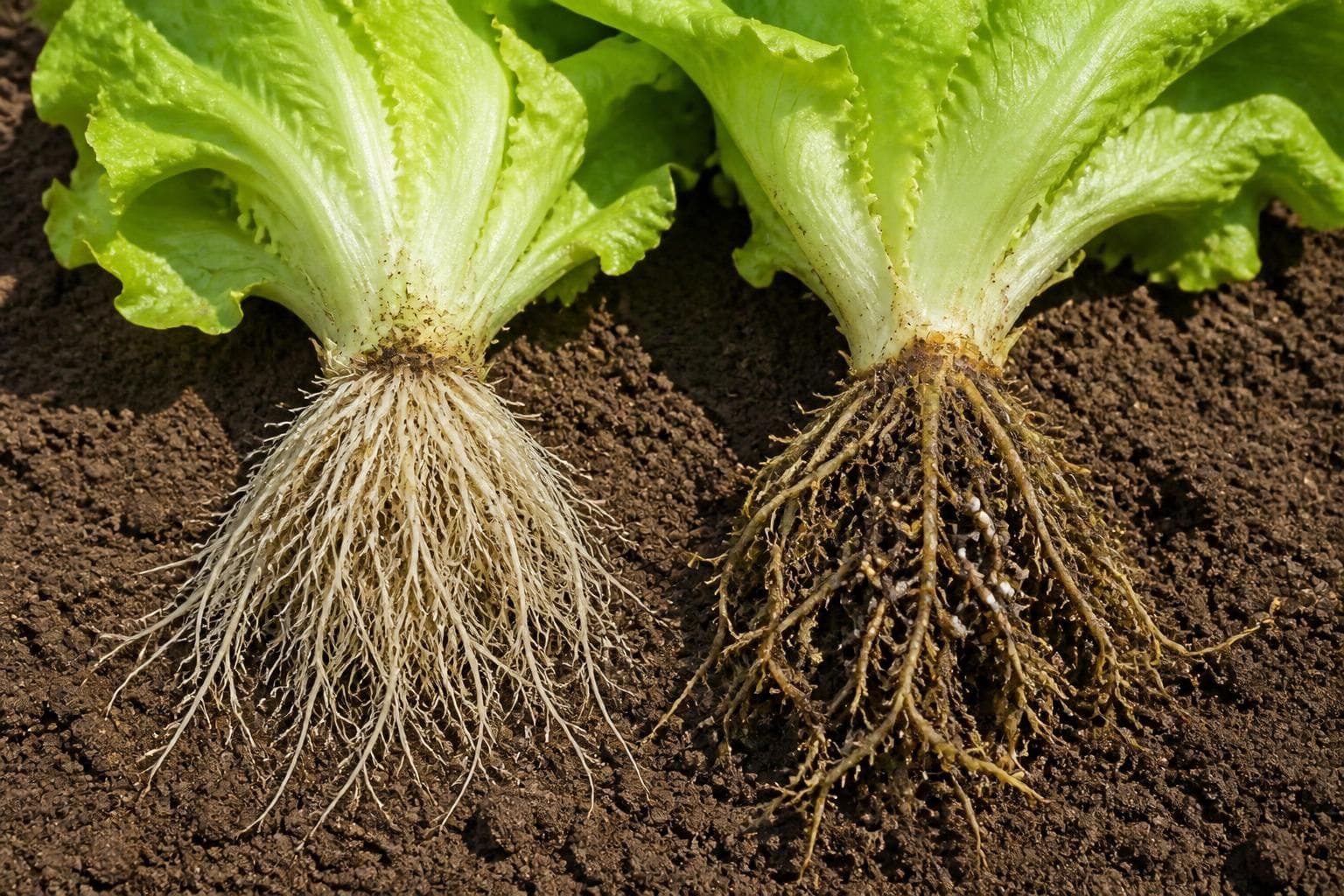
If your plants are wilting and also stunted, look underground. Root aphids, nematodes, and compacted soil can all damage roots. Pull up one plant and inspect it. Healthy roots are white and fibrous. Damaged ones look knotted, dark, or covered in tiny waxy bugs.
Slow, stunted growth along with the droop? Our article on why lettuce is not growing walks through soil, nutrient, and spacing issues in detail.
5. Disease
Several diseases cause wilting lettuce leaves:
- Lettuce drop (Sclerotinia): Plants collapse suddenly at the soil line, often with white, cottony mold.
- Fusarium wilt: Yellowing leaves, brown streaks inside the stem, and stunted growth.
- Bottom rot: Wet, slimy decay on lower leaves touching damp soil.
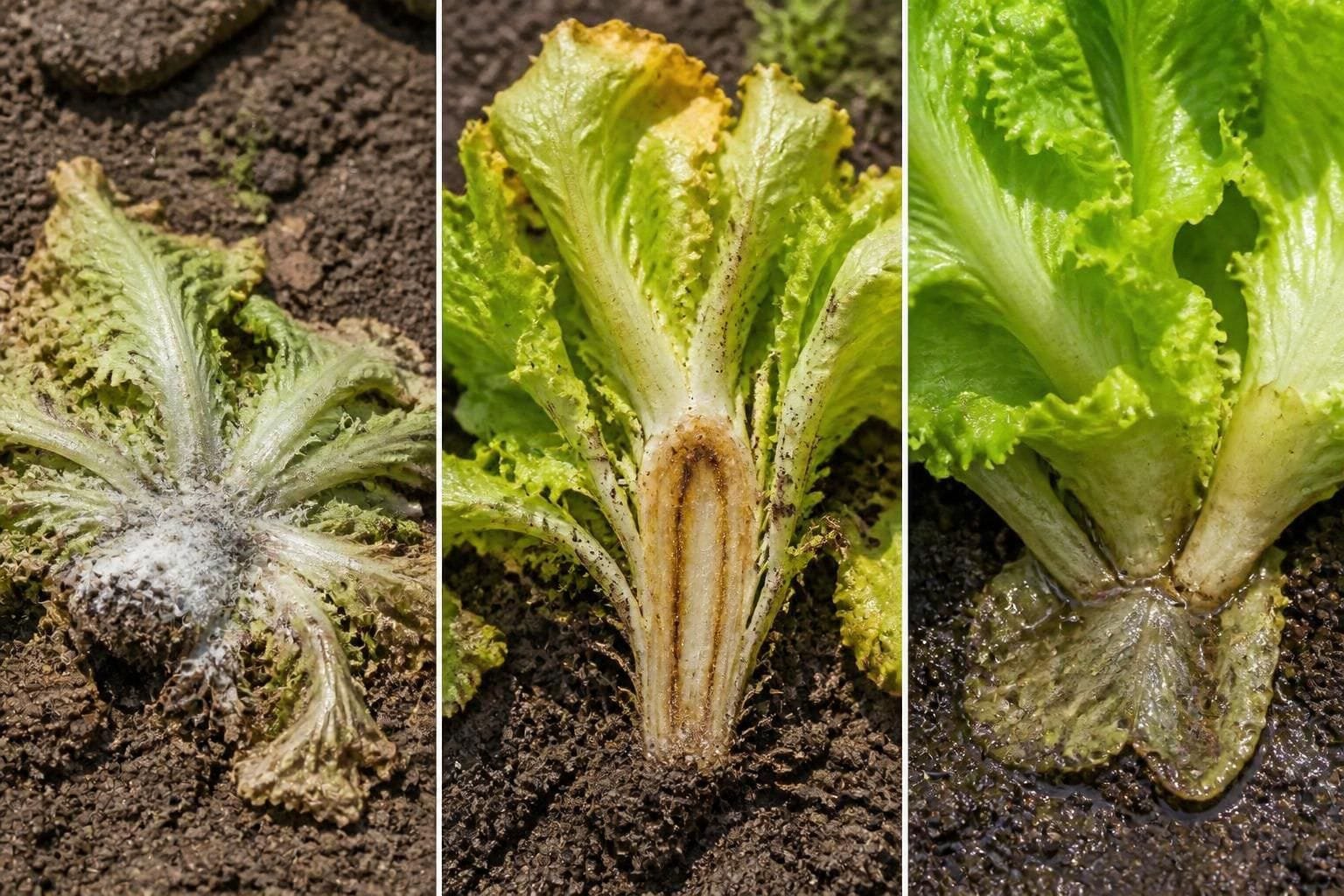
Diseased plants won’t recover. Remove them, don’t compost them, and rotate lettuce to a different bed next season.
How Do You Fix Wilted Lettuce?
Follow these steps:
- Check the soil. Dry? Water deeply. Soggy? Stop watering and improve drainage.
- Provide shade. Use 30 to 40 percent shade cloth during afternoon heat.
- Mulch. Two inches of straw keeps roots cool and moisture steady.
- Inspect the roots and stems for rot, pests, or mold.
- Trim dead leaves so the plant can focus on new growth.
Do Plants Recover From Wilting?
Often, yes. Plants wilting from heat or thirst usually bounce back within a few hours to a day of proper watering and shade. Recovery is unlikely if the stem is mushy, the roots are rotted, or the plant has collapsed from disease. If the leaves stay limp after 24 hours of care, it’s time to pull it and replant.
Can You Make Limp Lettuce Crisp Again?
For harvested lettuce, absolutely. Wilted leaves have lost water, so you just need to give it back:
- Trim a half inch off the stem end.
- Submerge the leaves in a bowl of ice water for 15 to 30 minutes.
- Spin or pat dry thoroughly.
- Store in a container lined with a paper towel.
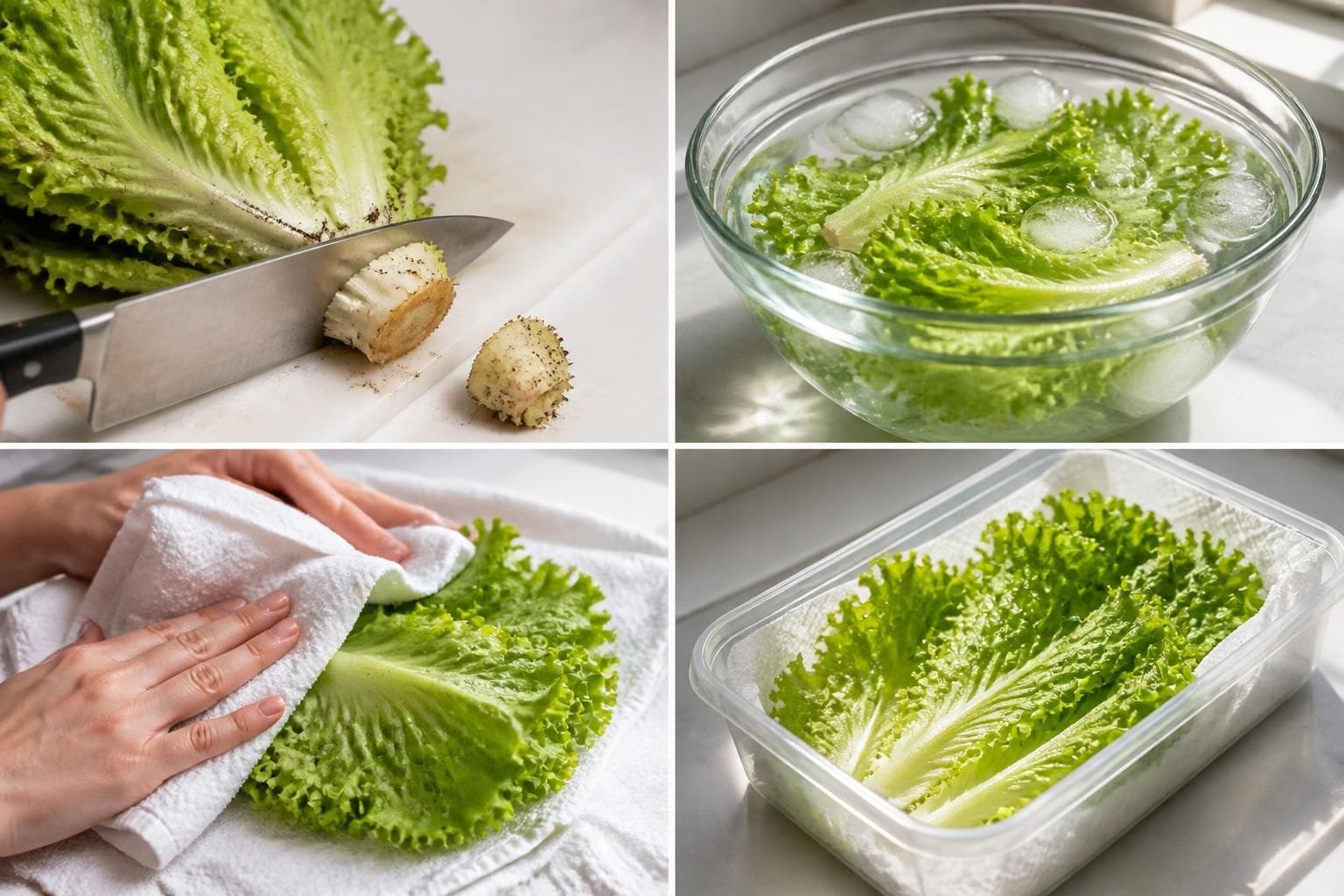
This works great for mildly limp heads. Slimy, brown, or smelly leaves are past saving.
How Do You Stop Lettuce From Wilting?
Prevention beats rescue every time.
In the garden
- Plant in early spring or fall, and choose heat-tolerant varieties like ‘Jericho’ or ‘Black Seeded Simpson’ for summer.
- Keep soil evenly moist, never swinging between dry and soggy.
- Mulch and use shade cloth in warm weather.
- Give plants space (6 to 8 inches apart) for airflow.
- Rotate crops every year.
After harvest
- Pick in the cool morning hours.
- Rinse, dry well, and refrigerate right away.
- Store in a breathable container or a produce bag with a paper towel.
- Keep lettuce away from ethylene-producing fruit like apples and bananas, which speeds up decay.
Still Not Sure? Look at the Bigger Picture
Wilting rarely travels alone. If you’re also dealing with yellow leaves, bitterness, or slow growth, you may have overlapping issues. Our complete guide to common lettuce growing problems helps you diagnose them all in one place.
Final Thoughts
Why is my lettuce wilting? Most of the time, it’s water, heat, or roots. Check the soil, feel the temperature, and look at the roots before you do anything else. Fix the cause, and your lettuce will usually reward you with crisp, sweet leaves in no time.
2 thoughts on “Why Is My Lettuce Wilting? Causes and Solutions”