Lettuce Bolting: Why Lettuce Grows Tall and How to Prevent It
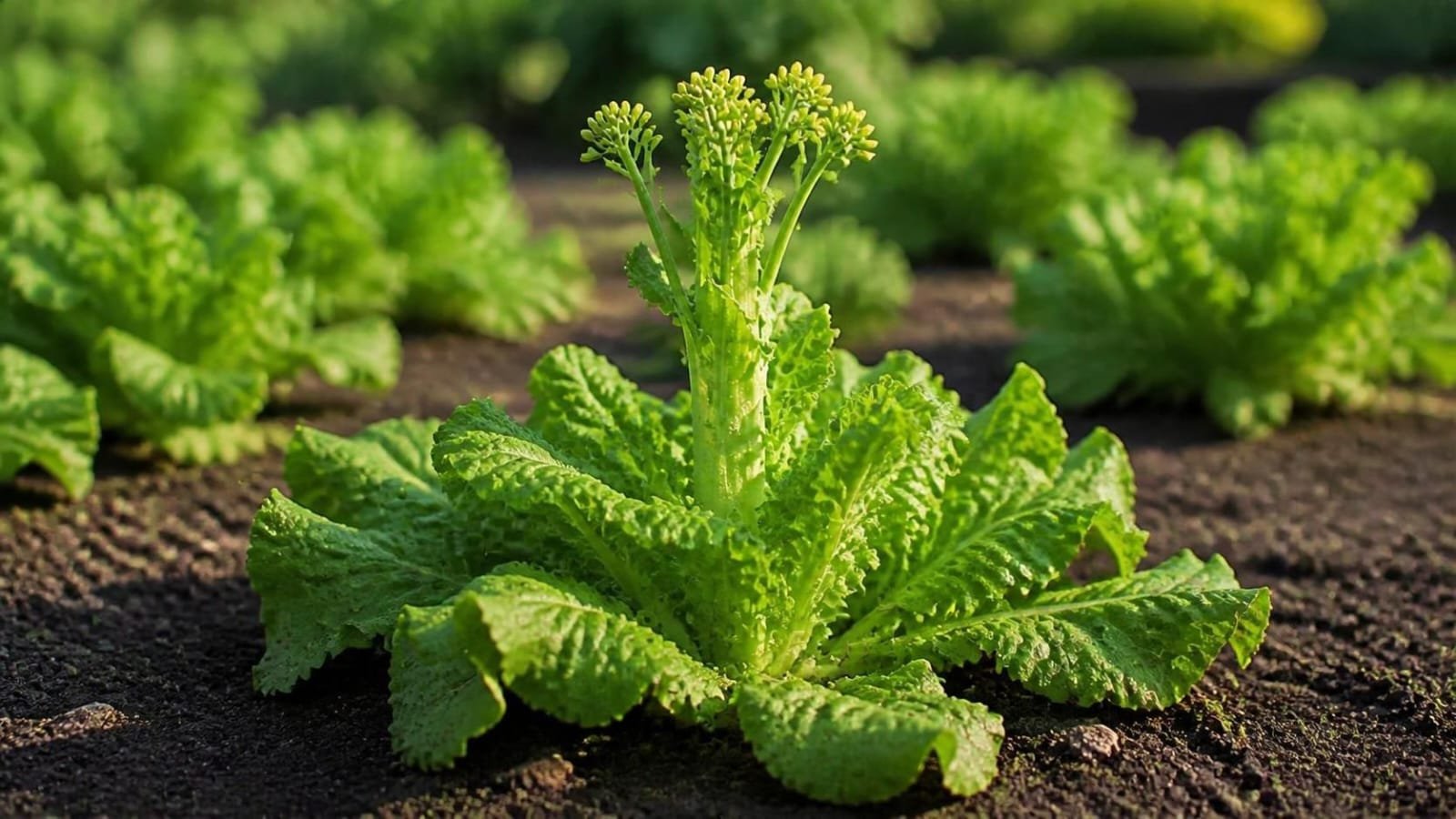
Lettuce that shoots up a tall stalk from the center is bolting: the plant has stopped making leaves and started making flowers and seed. Lengthening days start the process, and heat and dry soil speed it up. It cannot be reversed, and the leaves turn bitter as it goes, though they are safe to eat. Harvest what still tastes good, then decide whether to cut back, save seed, or replant.
You go out for a salad and the middle of the plant has climbed up like a tiny tree. If that sounds familiar, you’re in good company, because every lettuce plant flowers eventually. The only question is whether it happens after you have eaten your fill or before. The first thing to check is how far the stalk has gone, since that decides what you can still do with the plant.
What is bolting in lettuce? Start with the center of the plant
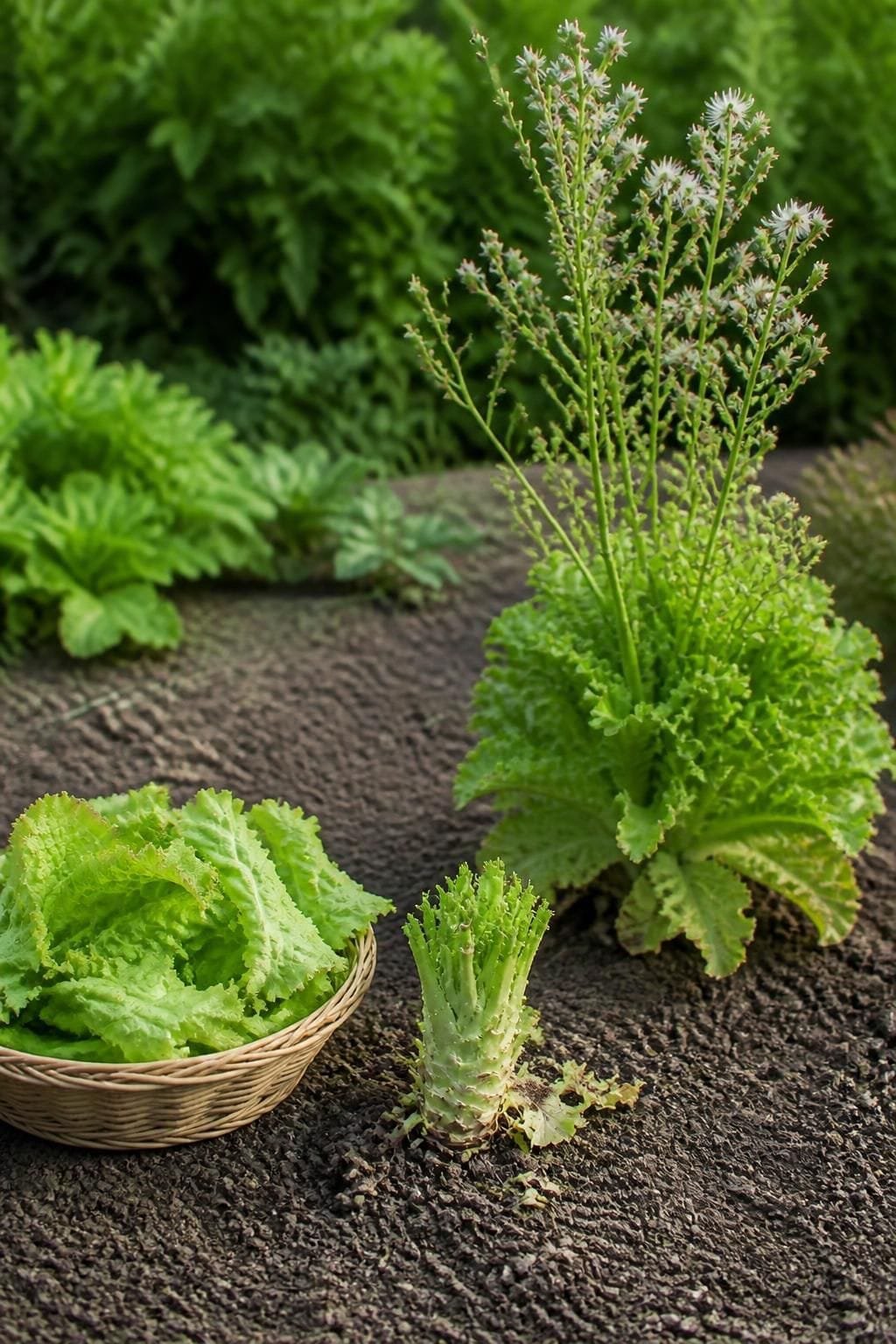
Lettuce normally grows as a low rosette of leaves. When it bolts, the central stem stretches, and that lettuce tall stalk eventually carries flowers and then seed. Oregon State University Extension describes it as the plant’s natural response to summer, with warm temperatures pushing the central stem to elongate. Once that has started, the plant puts little energy into new leaves, and the leaves it already has may turn bitter.
Look at the heart of the rosette first. A center that is lengthening, even before any flower shows, is the earliest visible sign. Taste a leaf too. If it is sharper than the same variety tasted a week ago, bolting has probably begun. And if you snap the stalk, you may see milky sap, because the bitter compounds sit mostly in the latex inside the stems.
Why is my lettuce growing tall? The calendar sets the clock
The usual move is to blame the heat and throw shade cloth over the bed. Shade helps, but heat is only part of the story. Purdue’s plant diagnostic lab notes that cool-season crops like lettuce and spinach bolt as days grow longer in summer, with hot temperatures and dry soil bringing the flowers on faster.
Here’s the kicker: the experiments point to day length as the real clock. Fine Gardening summarizes work by USDA scientist William Waycott in which lettuce grown in growth chambers under eight-hour days at a steady 90°F reached harvest size without bolting. In greenhouse trials started in January (short days) and July (long days, with temperatures sometimes reaching 95°F), the short-day plants bolted about 135 days after planting and the long-day plants about 90 days, and neither group bolted prematurely. The same article adds that heat does seem to stimulate bolting in the later stages of growth, though nobody knows for sure whether heat itself or the moisture shortage that usually comes with it is responsible.
That explains a puzzle many gardeners run into. Plants can bolt in a mild spell if the days are long, and a spring sowing that matures into late June may bolt no matter how carefully you water. It also means no single fix works everywhere. What you can control is when the plant reaches maturity, how stressed it is, and which variety you chose.
Tall lettuce that isn’t bolting yet
Before you pull anything, make sure it really is bolting. A few other problems get mistaken for it, and they call for different handling.
| What you see | First clue | What to do |
|---|---|---|
| Bolting | Center of the rosette lengthening into a stalk, leaves tasting bitter | Flowering has begun and cannot be reversed. Use the options in the eating section below |
| Leggy seedlings | Thin, pale, stretched stems on young plants in dim light, with no real rosette | Give them more light. This is stretching toward the light, with no flowering involved |
| Heat stress | Leaves droop in the afternoon while the center stays low and tight | Water deeply, shade the afternoon sun, and harvest soon. If the droop persists, see why lettuce keeps wilting |
| Stalled growth | Plants stay small and never form a stalk | Check roots, soil, and watering. The guide to lettuce that is not growing walks through the causes |
Be honest about the limits of a quick look. A stressed plant can show more than one of these at once, and a plant in the early stage of bolting can wilt in the afternoon like a plant that is merely hot. If you cannot tell, check the center again in a few days. A stalk that keeps lengthening settles the question.

Can you eat bolted lettuce?
Yes, bolted lettuce is safe to eat. Whether you will want to is another matter. The bitter compounds rise during flowering, so the leaves taste sharper and often feel tougher. If you want the full picture of what makes lettuce taste sharp, the guide to why lettuce turns bitter covers the other causes.
Taste a leaf before you decide about the whole plant, as Gardener’s Path suggests. Some people enjoy a bitter edge, much as they do with radicchio. After that, you have a few choices.
- Harvest what is still good. Pick the outer leaves that taste acceptable and use them soon, since quality drops as the stalk climbs.
- Cut the plant back. If there is plenty of season left, cutting it to the ground may bring fresh leaves, though a plant that has already flowered may not cooperate.
- Let it go to seed. Leave the stalk and collect the seed for a fall sowing or next year.
- Pull it and replant. Purdue’s specialists point out that bolting cannot be reversed once flowering has begun, so replacing the plant, or waiting until later summer to replant for a fall harvest, is often the practical choice.
What not to do
- Don’t snap off the stalk and expect the plant to reset. Once the plant has switched to flowering, removing the stalk does not turn it back into a leaf producer.
- Don’t move lettuce into deep shade. Afternoon shade is fine, but lettuce grows best in sun, and heavy shade costs you flavor and harvest.
- Don’t keep watering harder and hope. Steady moisture reduces stress, but it will not override the long days that start the process.
- Don’t leave the whole row waiting. Fair enough if you are hoping for one more salad, but the longer a bolted plant stands, the more bitter and tough it gets.
How to slow it down next time
You cannot stop lettuce from eventually flowering, and you cannot change the length of the day. What you can do is time the crop so it finishes before the long days arrive, and keep it comfortable until then.
- Sow in the cool seasons. Spring and fall suit lettuce best, and fall is usually the forgiving one. Gardener’s Path advises keeping lettuce out of the hottest stretch, and notes that butterhead and Batavian types are generally the most bolt-resistant while loose-leaf types tend to bolt quickest.
- Treat “slow-bolt” labels as a hint, not a promise. The writer in Fine Gardening found that varieties of the same type sown on the same day could bolt two weeks or more apart, and that catalog claims did not always hold up. A small side-by-side trial in your own garden tells you more than the seed packet.
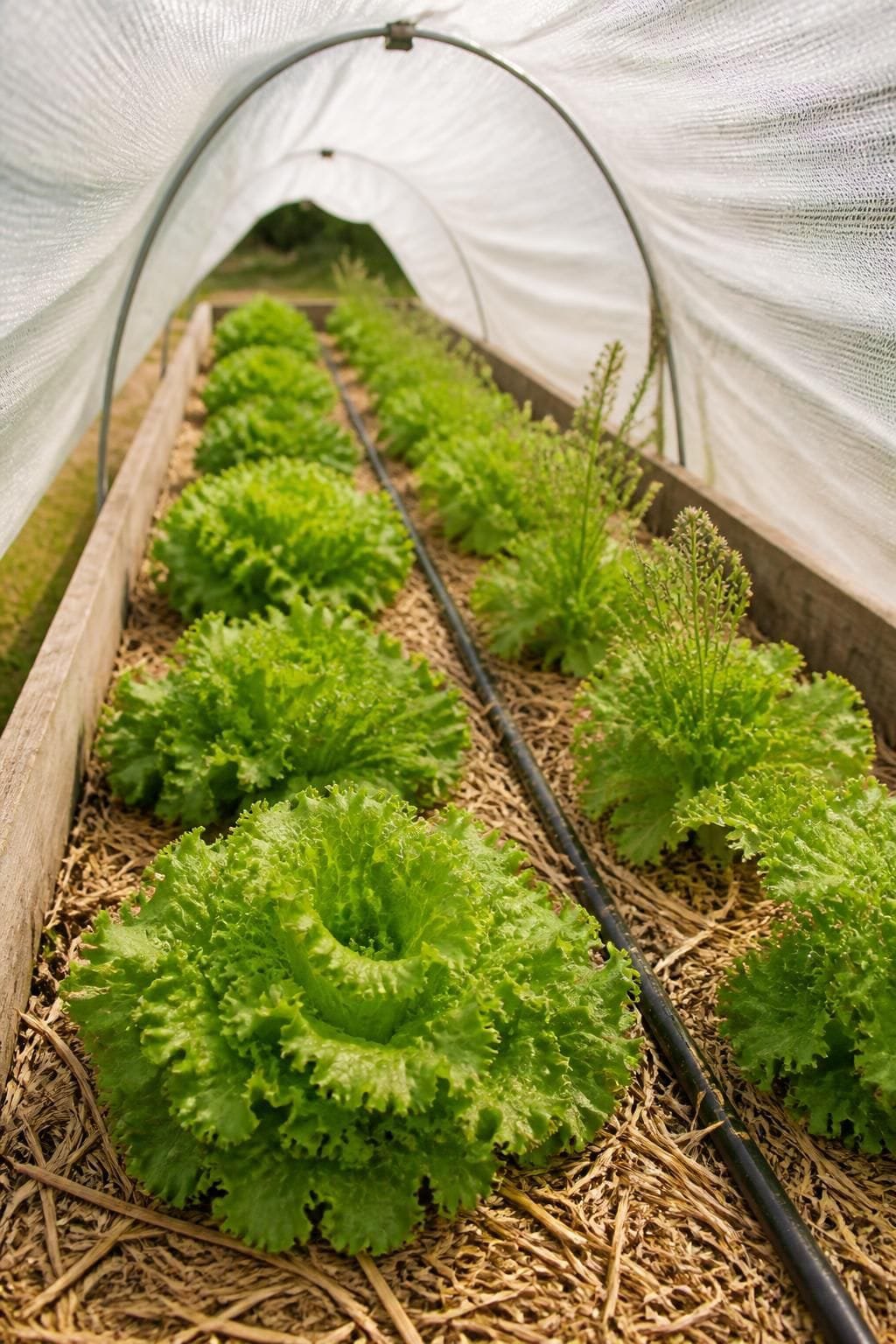
- Keep the water steady. Letting lettuce dry out can induce bolting and bitterness, and Oregon State recommends consistent watering. A layer of mulch over the shallow roots helps hold moisture.
- Shade cloth for hot spells, not permanent shade. Put it up before the heat arrives and take it down when it cools off. Some evidence suggests red-leaved varieties are slower to bolt, though a red tint on a normally green variety is a separate question, covered in why lettuce turns red or purple.
- Harvest young and sow in small batches. Smaller, more frequent sowings mean there is always a fresh bed coming along when an older one starts to climb.
Questions that come up
Why is my lettuce going to seed so early?
Lettuce going to seed early is usually a mix of long days, heat, and stress such as dry soil. Sowing late in spring so that the plants mature just as the days peak makes it more likely.
Does shade cloth stop bolting?
It can delay it by lowering heat stress, but it cannot shorten the day. Think of it as buying a little time rather than switching bolting off.
Is this the only thing that can go wrong with lettuce?
Far from it. Bolting is one of several common lettuce problems, and the guide to common lettuce growing problems helps you sort out the rest.