Why Is My Lettuce Turning Red or Purple? Causes and Solutions
Purple lettuce sends a lot of gardeners straight to the fertilizer aisle. Hold on a minute. You’re not alone in worrying, and in most beds this is a color change, not a disease.
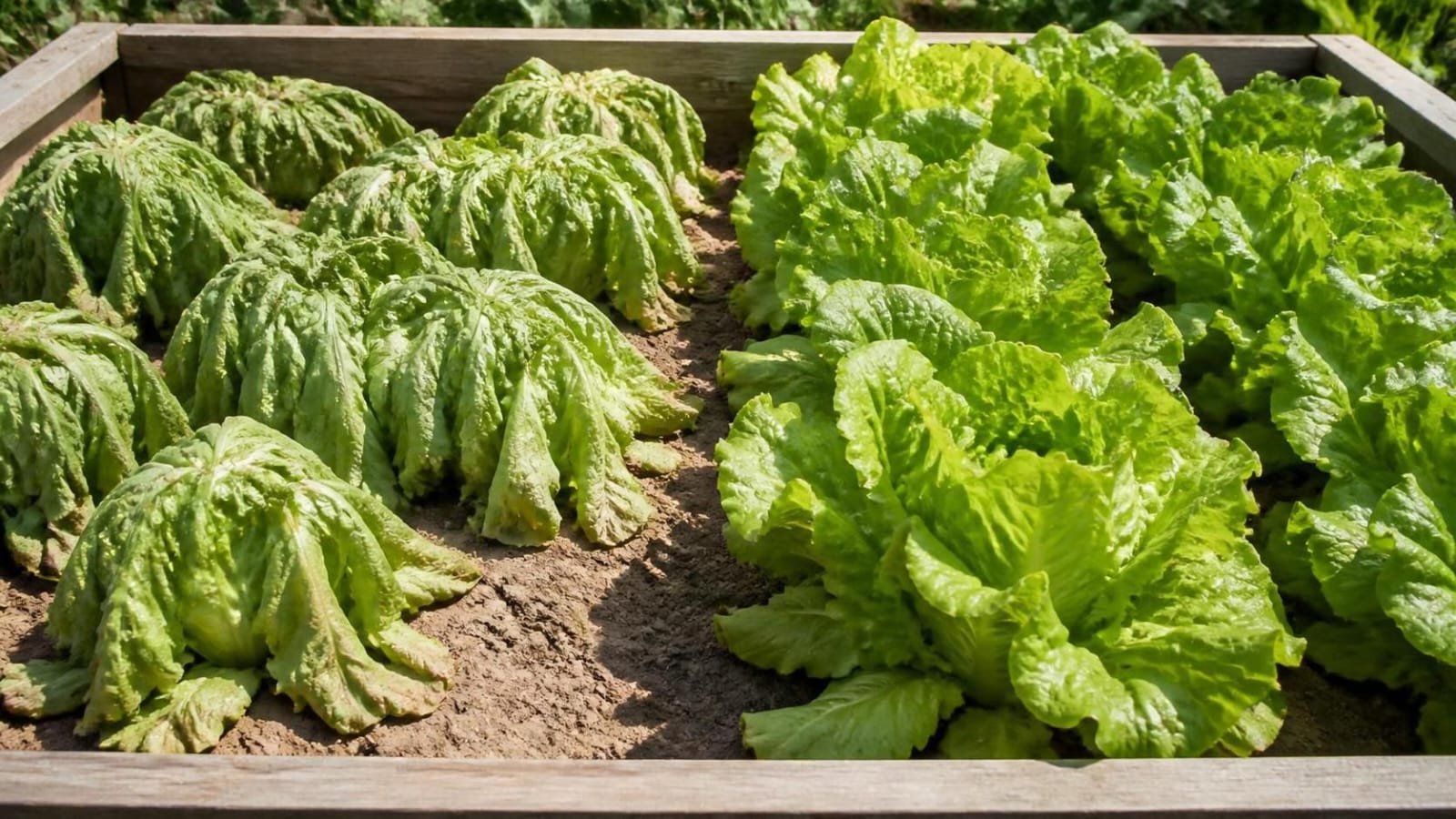
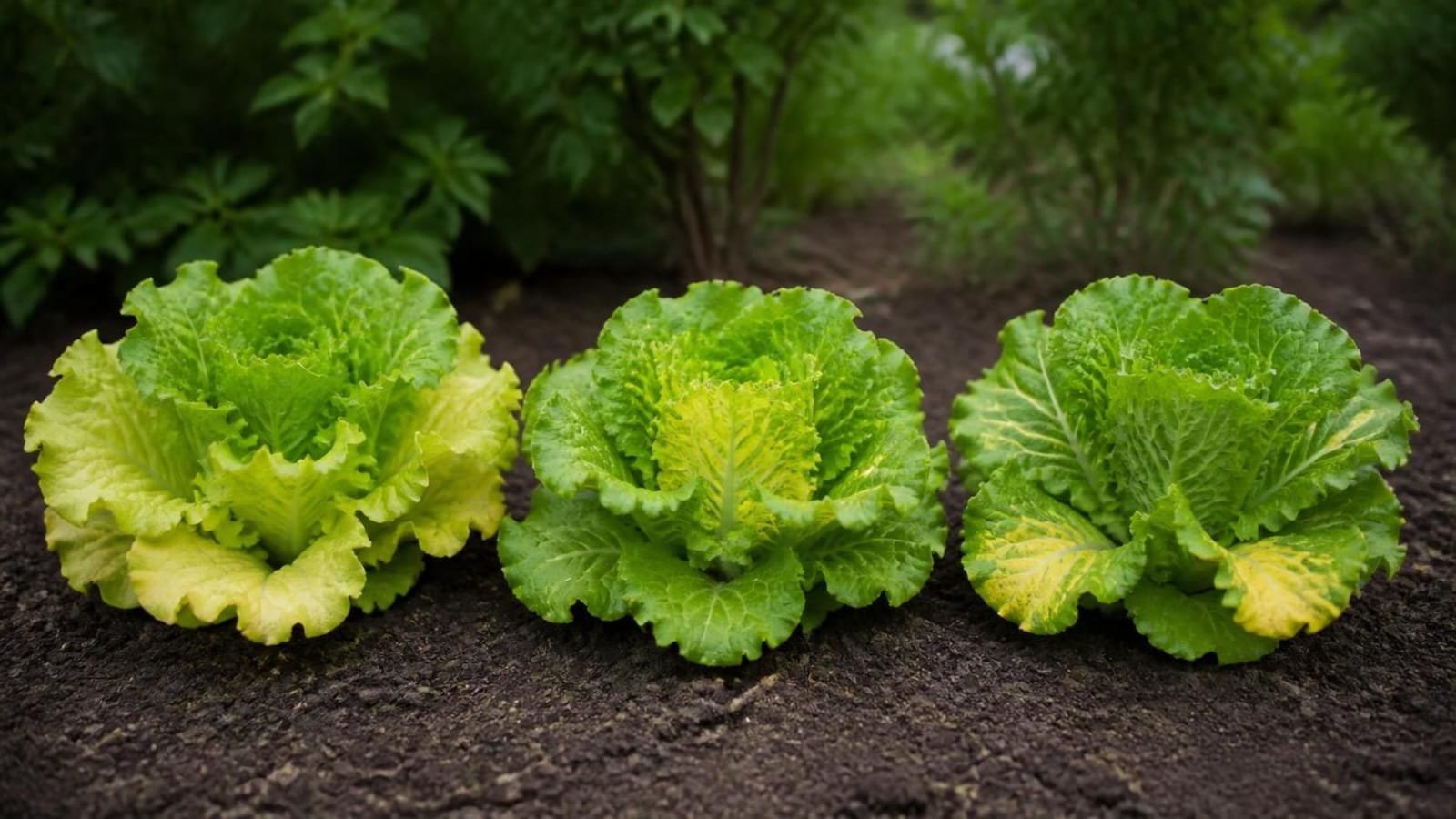
Lettuce most often turns red or purple because it makes anthocyanin, a harmless pigment, when cold nights, strong sun, or slowed growth stress it. A real phosphorus shortage is the next suspect, mainly in cold soil. Disease is the least likely cause. Check the variety, the weather, and which leaves changed before you do anything else.
Start With the Variety and the Weather
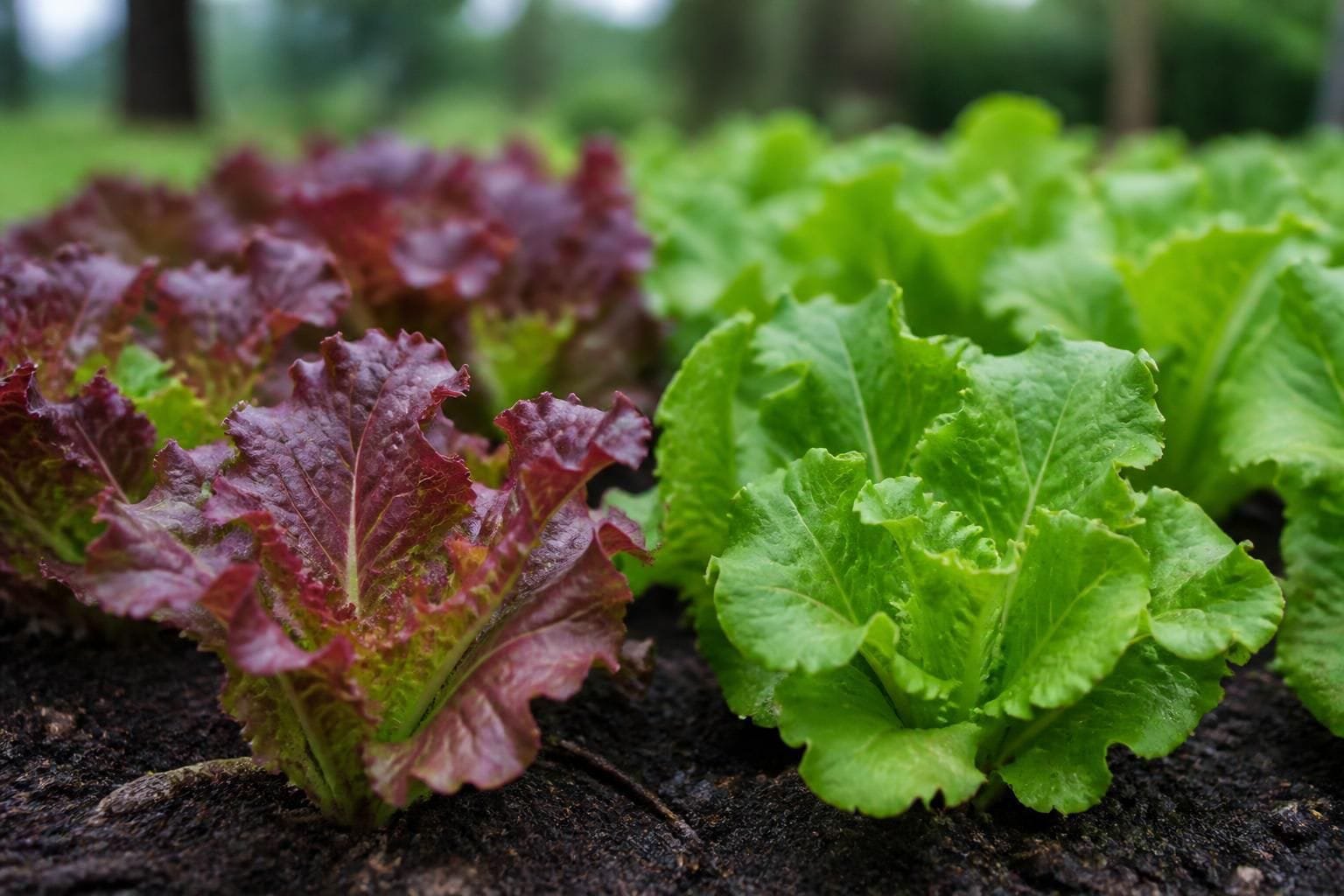
Red-leaf varieties carry the pigment on purpose, so check the seed packet first. If you planted a green variety and it’s tinted, the pigment is anthocyanin. UC Master Gardeners describe it as harmless and water-soluble, and say sun exposure makes it stronger.
Cold works more quietly. When growth slows, the leaf keeps making sugars it can’t use fast enough, and those sugars trigger the pigment. Michigan State University Extension explains this for field crops, and the same chain applies to plants generally.
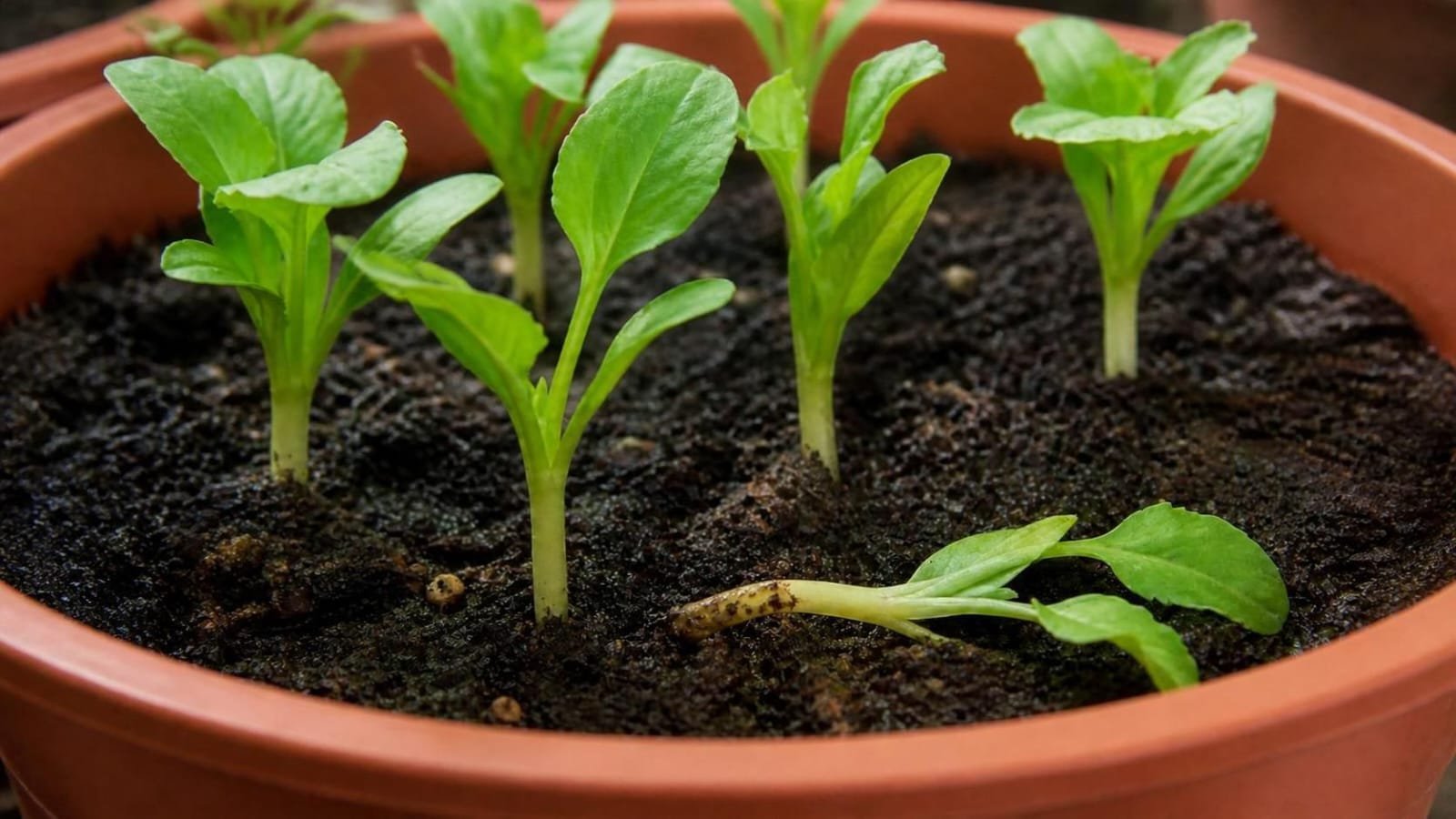
A common situation: you set out seedlings in early spring, a few cold nights follow, and the leaves take on a purple cast. Then a warm stretch arrives and the plants green up again. That’s the pattern to look for.
Here’s the kicker: if the soil already has enough phosphorus, adding more won’t turn the leaves green again.
If the plants are also stuck and not growing, our guide on why lettuce is not growing walks through the other usual suspects.
When Phosphorus Might Be the Real Problem
A true shortage looks different from a weather blush. OSU Extension describes slow growth without yellowing, slender stems, small leaves that are darker green than normal, and a reddish-purple cast on the undersides. Fibrous roots stay sparse.
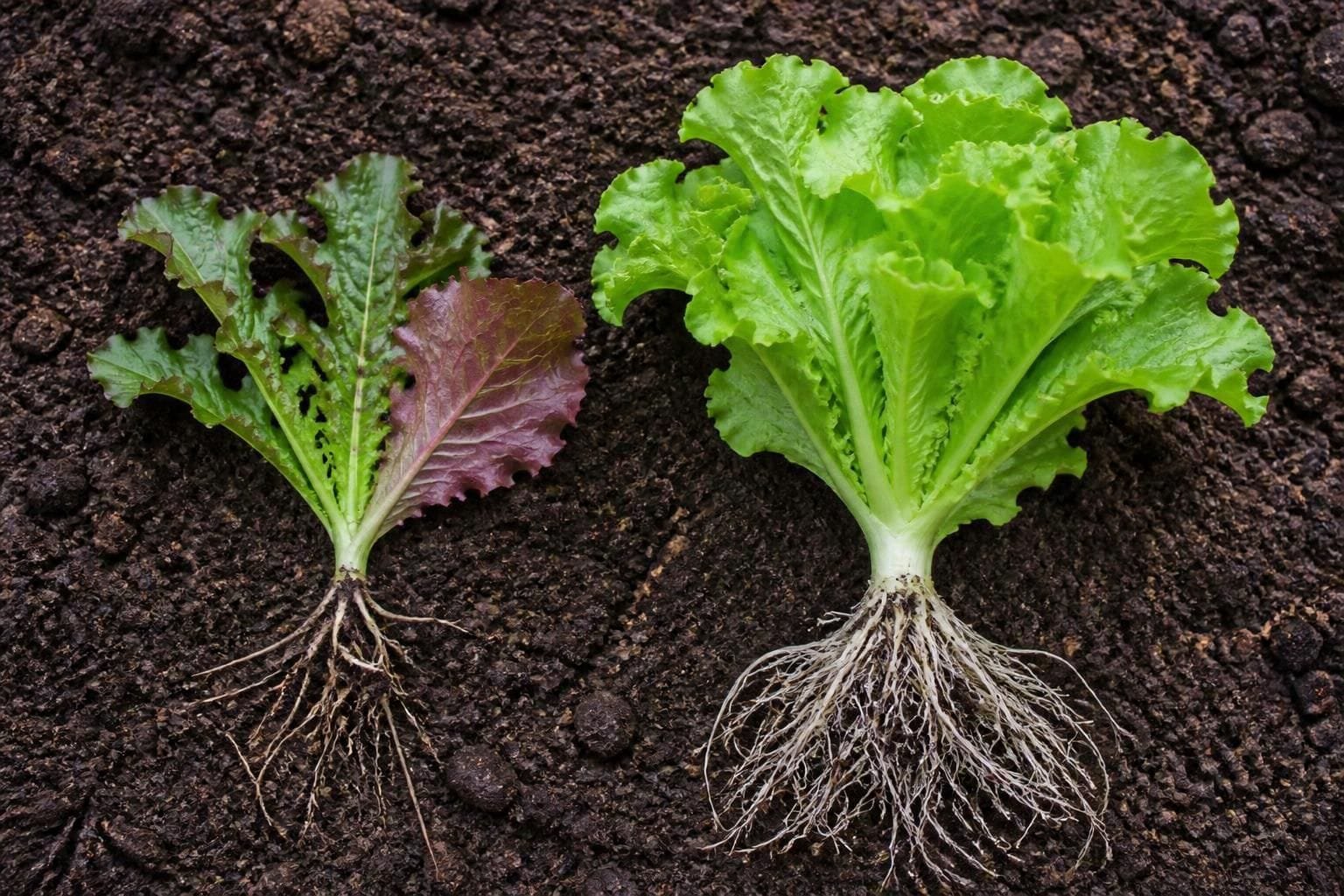
So turn a leaf over, then dig up one plant. Sparse roots point to phosphorus or cold soil. Full white roots under purple leaves make the weather the better guess. Small plants short on phosphorus can also look short on nitrogen, so if yellowing is part of the picture, our guide to yellow lettuce leaves will help you sort it out.
The University of Nebraska–Lincoln adds that these symptoms usually persist only on very low phosphorus soils, and that warming soil often clears the problem. Fair enough if you’d rather know than wait. A soil test is the surest way to settle it. Follow the lab’s recommendation and the product label, and check local rules, since advice varies by region.
What About Red Veins and Red Ribs?
Red running along the veins is a separate puzzle. OSU Extension lists red rib, also called rib blight, as brownish-red spots on the ribs of outer leaves that widen into diffuse bands. The cause is unknown but believed to be physiological, and tests haven’t tied it to soil type, pH, or fertilizing. Feeding is unlikely to help.
Large bands can crack and let rot in. ‘Salinas’ types are susceptible, while ‘Ithaca’ and ‘Summertime’ resist it. Dark, dead-looking marks along the main vein are a different clue. INRAE, the French agricultural research institute, notes that some herbicides can cause that kind of vein damage, so think about whether anything was sprayed nearby.
From color alone, red rib, herbicide injury, and early rot can look alike. If spots are wet or spreading, take a sample to your local Extension office.
Telling the Causes Apart
| What you see | Likely cause | Clue that confirms it |
|---|---|---|
| Purple or red tint after cold nights or bright sun | Anthocyanin from weather stress | Fades as growth picks up |
| Small, dark green plants with reddish-purple undersides | Low phosphorus or cold soil | Sparse roots; a soil test settles it |
| Brownish-red bands along ribs of outer leaves | Red rib (physiological) | Diffuse bands; cause unknown |
| Dark, dead-looking marks along the main vein | Possible herbicide injury | Something was sprayed nearby |
If more than one symptom is showing, our guide to common lettuce growing problems helps you sort them in one place.
What to Do Now
- Check the seed packet. A red variety may simply be doing its job.
- Compare the color to the weather. If nights were cold or the sun was harsh, give the plants a stretch of warmer weather before judging.
- Dig up one plant. Look at the roots and the underside of the leaves.
- Test the soil before adding any phosphorus.
- Please don’t add phosphorus fertilizer without a soil test.
- Don’t pull healthy-looking plants over color alone.
- Don’t treat for disease unless spots are wet, spreading, or rotting.
Can It Recover, and Is It Safe to Eat?
Usually, yes. The color tends to fade once growth picks up, and the pigment itself is harmless. Slimy or soft tissue is a different story, so skip it.
Red Lettuce in the Fridge
Color that shows up after harvest is a storage issue. INRAE describes pink rib on crisphead lettuce after harvest, cause unknown, and says ethylene encourages related spotting. Keep lettuce away from ripening fruit.
Preventing It Next Season
- Wait to transplant until the soil has warmed.
- Run a soil test before the season so you know your phosphorus level.
- Give a little shade when the sun is intense.
- When warm weather brings a tall flower stalk, that’s a different problem. Our guide on lettuce bolting covers it.