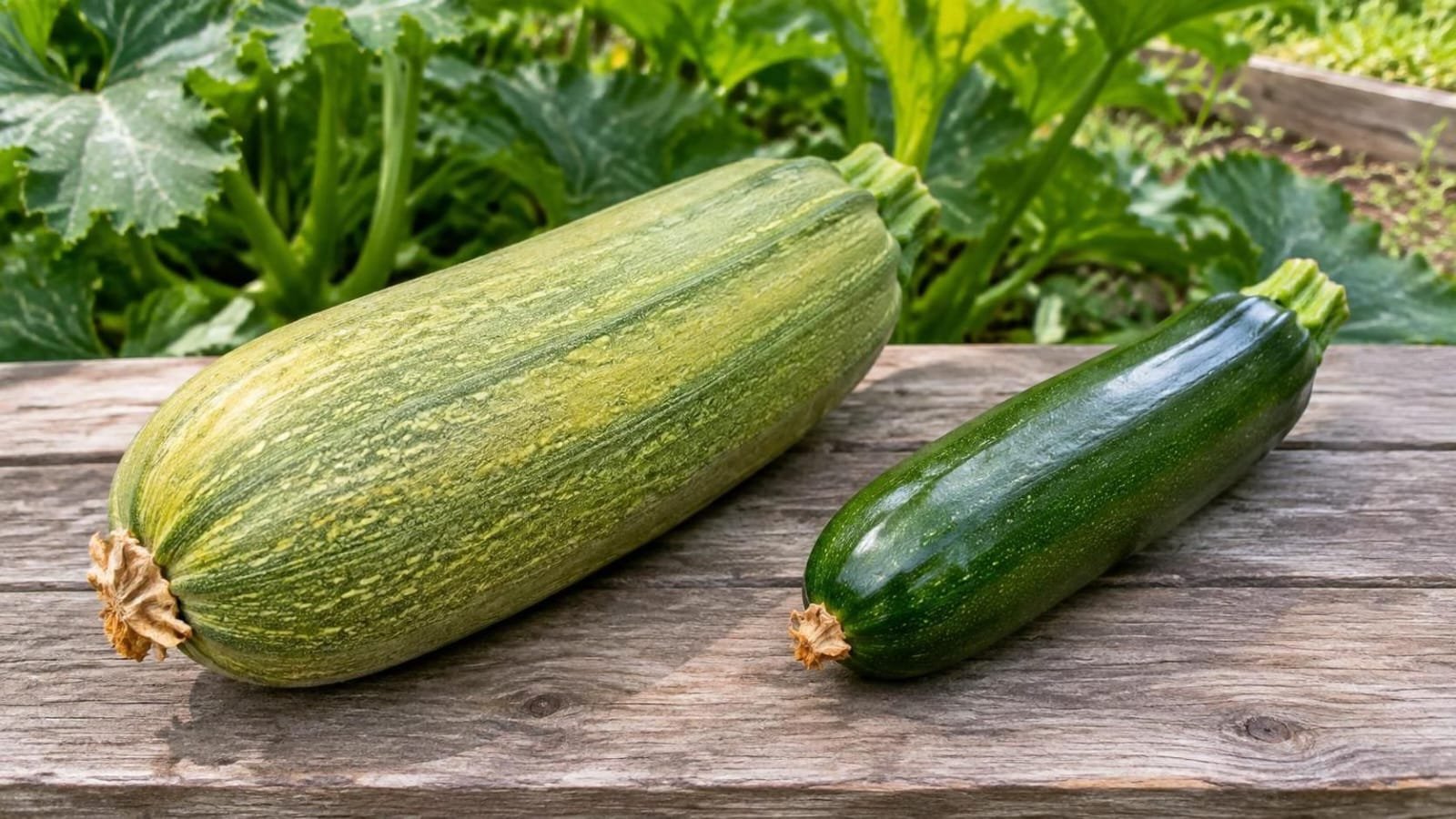
Likely yes. Young, tender zucchini leaves are generally safe to eat when cooked, provided they are not bitter and come from an unsprayed plant. Cooking softens the leaves but does not remove bitterness, so taste a small piece first.
Young leaves are edible and cook down much like spinach. They taste mild and green. There are two things to watch, though. Zucchini plants make a bitter compound called cucurbitacin, and cooking doesn’t kill it. The leaves are also covered in fine, scratchy hairs, so heat is your friend. Most of the safety questions come down to which leaves you pick and how they taste.
Which zucchini leaves are safe to eat?
Go for the young ones. They’re less fibrous, so they cook up tender instead of stringy. University of Illinois Extension advises against eating produce from a plant sprayed with a pesticide not labeled for that crop, and that includes suspected drift. Oregon State’s National Pesticide Information Center adds that when the risk is unknown, not eating the plant is the only sure way to avoid it.
Think about where the plant came from, too. A zucchini you started from a seed packet is one thing. A volunteer that popped up from last year’s compost pile is a different story. Volunteer plants or squash growing near wild or bitter cucurbits may carry more cucurbitacin because of genetics. Heat, drought, and uneven watering can raise bitterness too. Do not eat leaves from unknown, volunteer, or wild-looking plants.
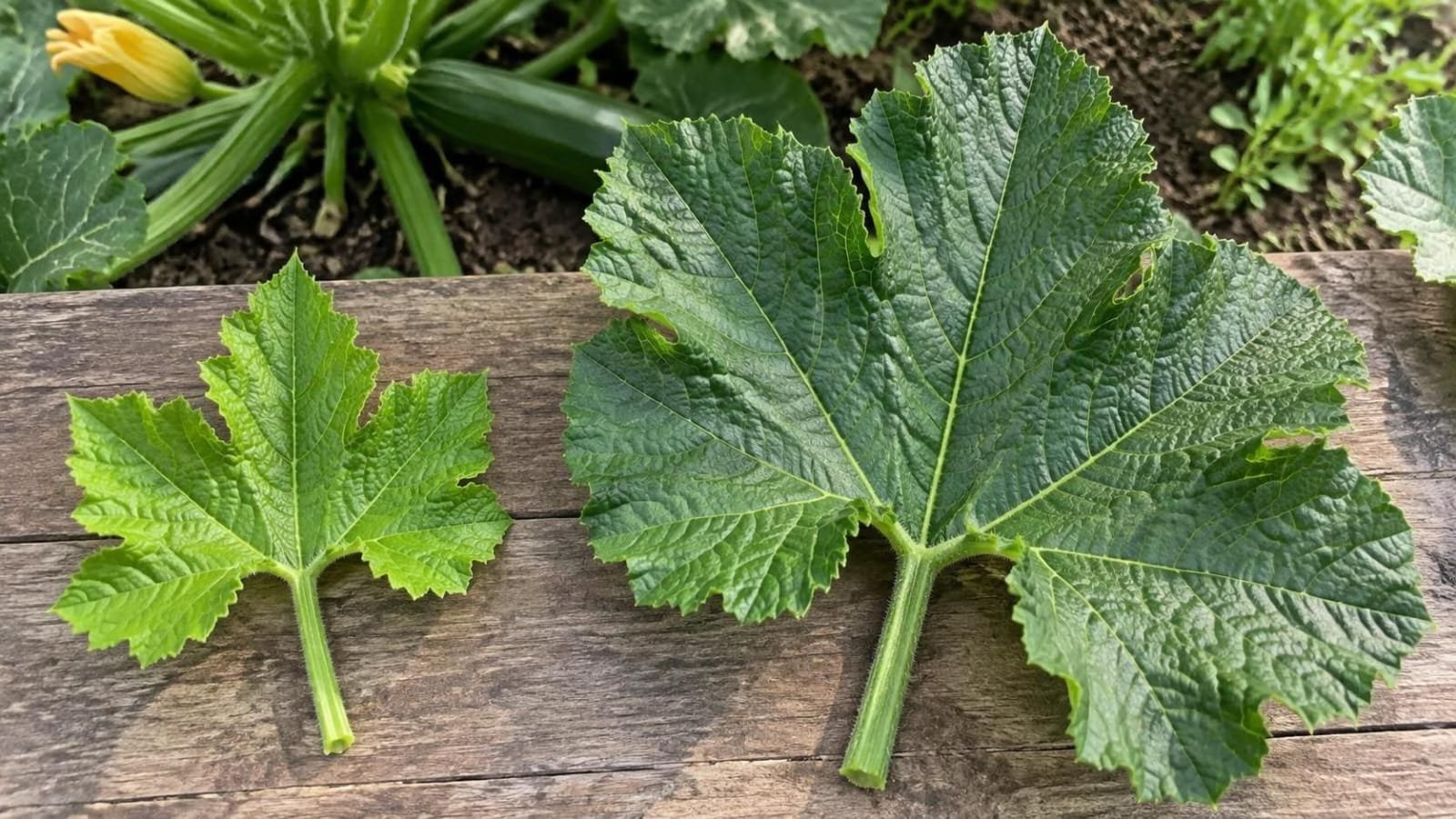
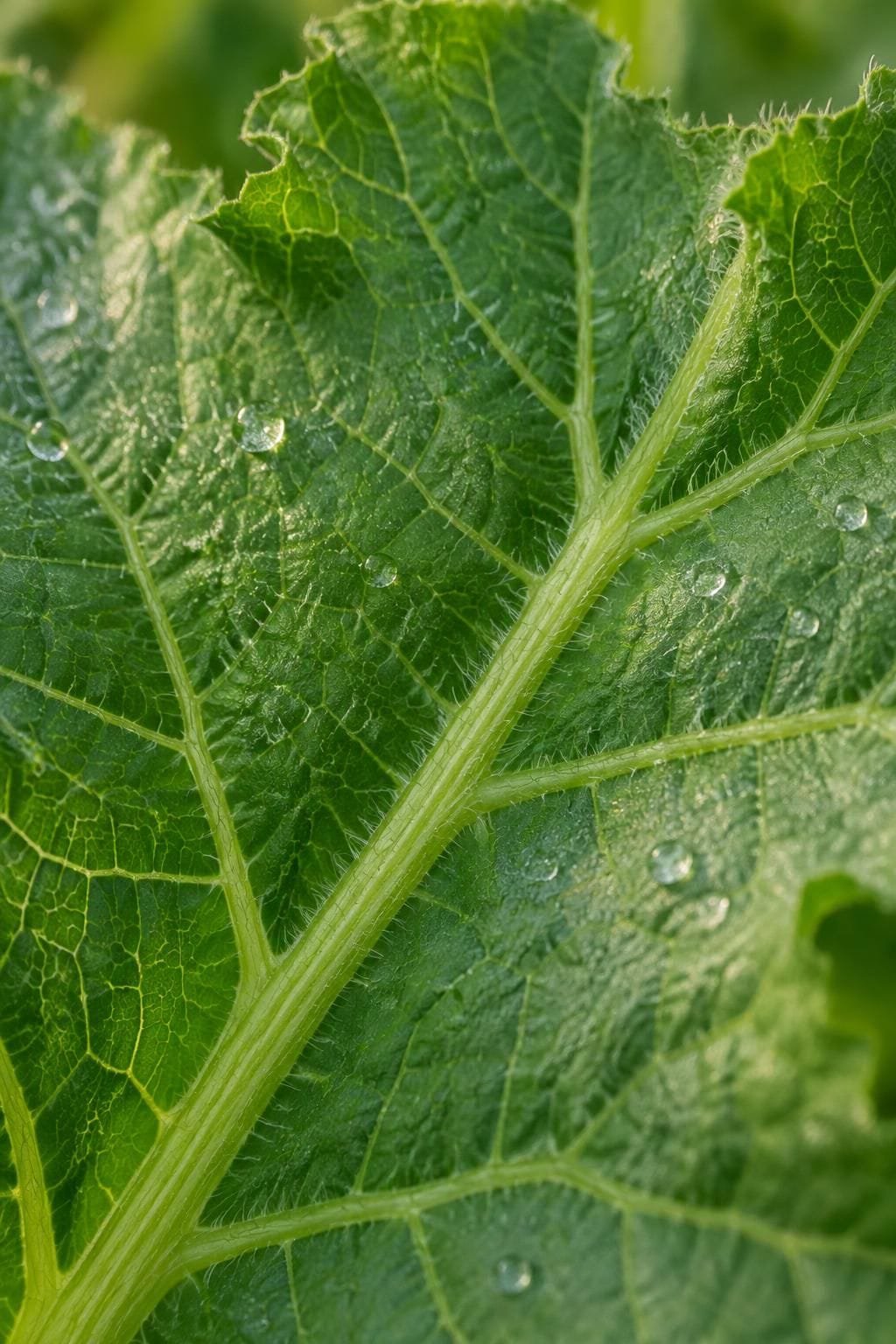
Not sure which leaves belong to your zucchini? Compare them with what zucchini leaves look like.
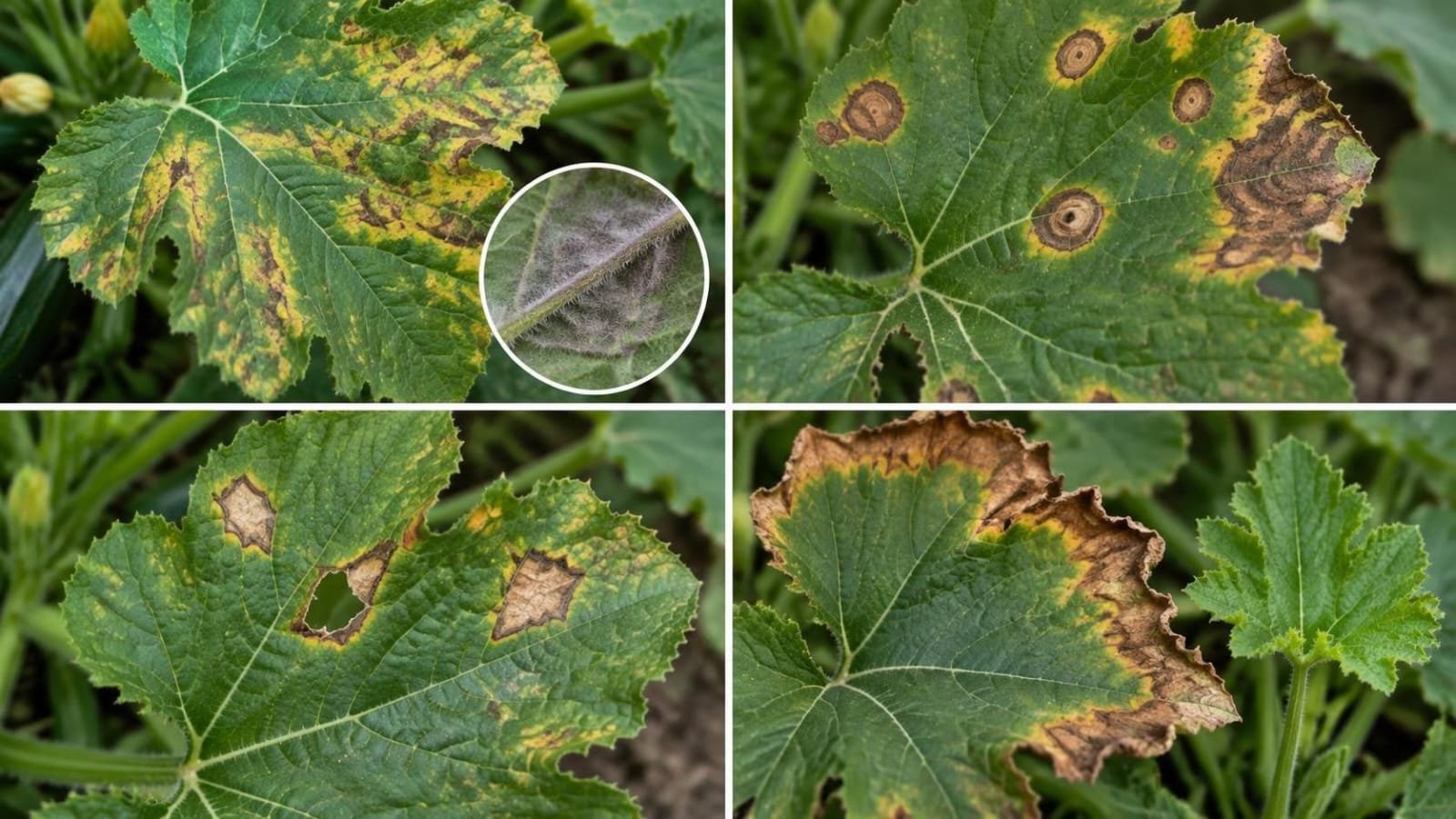
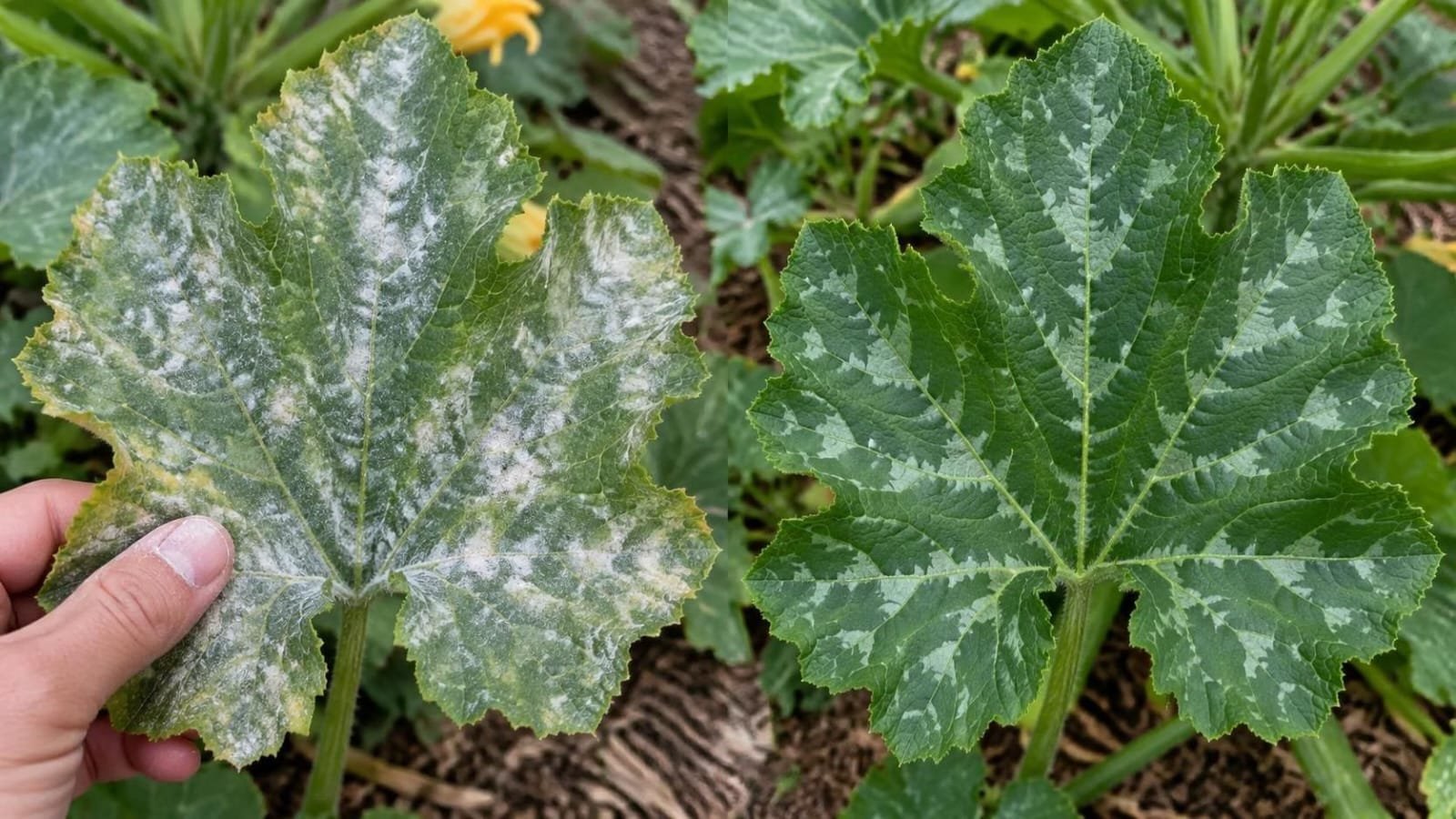
If the leaves are yellow, spotted, or powdery, skip them. Those signs point to a problem, and yellowing leaves and powdery mildew explain the causes.
Chewed edges or holes point to insects, so check identify common zucchini pests and leaf damage.
If the fruit is also going yellow, why zucchini fruit turns yellow walks through those.
How to harvest zucchini leaves without hurting the plant
Leaves feed the plant. Strip too many, and the zucchini has less energy left for fruit. So take a few at a time. Go for the youngest, most open leaves, and leave the older ones and the growing tips alone.
Cut the stalk at the base with clean scissors or pruners. Ripping the leaf off can tear the stem and open up a wound. Pick in the morning, while the leaves are cool and firm.
Harvest leaves early to mid-season, when they are young and tender. Late in the season, leaves tend to get tougher, and powdery mildew shows up more often. Skip leaves that are heavily covered, and keep the healthy ones.
Skip any plant that’s wilting or scorched from a heat wave. Stress pushes bitterness up in the fruit. Leaves haven’t been studied as closely, so it’s smart to be careful with them too. Rinse what you pick in cool water, shake it dry, and cook it the same day. If you have to wait, bag them and keep them in the fridge for a day or two.
Are zucchini leaves poisonous? Watch for bitterness
Zucchini and its cousins make cucurbitacin. It tastes bitter, and it works as a defense against insects and animals. Oregon State University Extension notes that cultivated zucchini usually carries so little that you can’t taste it. Stress can change that. Heat, drought, big temperature swings, and uneven watering can all push bitterness up. Oregon State says mild bitterness from stress may not stop you from using the fruit.
Strong bitterness is a different story. Oregon State’s advice is simple: don’t eat it. Just a couple of grams can cause diarrhea and stomach cramps that last up to three days.
Cooking won’t save it. Poison control experts say heat does not break down cucurbitacin, so boiling or baking a bitter squash doesn’t make it safe. Symptoms usually start within minutes to a few hours, and they’re mostly stomach-related. If someone eats a bitter squash and feels sick, call Poison Help at 1-800-222-1222 or get medical care.
The taste check still works. Poison control advises tasting a small raw piece and spitting it out if it’s bitter. You can do the same with a bit of stem or leaf. Chew briefly, spit it out, and don’t eat more if it tastes bitter.
Here’s the catch: most published work on cucurbitacin is about fruit, and solid data on leaves is thin. So treat a bitter leaf the same way you’d treat a bitter fruit.
Can you eat zucchini leaves raw?
Not really, at least not raw. Raw squash leaves aren’t pleasant to eat. NC State Extension describes winter squash leaves as prickly and rough, and zucchini leaves have similar fine hairs. Most cooks skip the raw leaf for that reason, since the texture scratches the mouth and throat.
Heat usually takes care of it. Sautéing or steaming softens the hairs until they’re barely noticeable. Thick stems are stringy. Peel off the tough outer strands with a paring knife or your fingers before you cook, the way many cooks handle pumpkin and squash leaves. Some people find the hairs irritate their skin, so wear gloves if your hands get itchy when you handle the leaves.
Quick check before you eat
Run each leaf through these questions before it goes in the pan.
| Leaf | What it means | What to do |
|---|---|---|
| Young, tender, mild taste | Good candidate | Cook it and eat a normal portion |
| Large, older, tough | Edible, but more fibrous | Cook longer or chop finely. Skip it if it’s stringy |
| Any bitter taste | Possible high cucurbitacin | Don’t eat it. Leave it out of the kitchen |
| Plant sprayed or history unknown | Residue unknown | Skip it |
| Volunteer or wild-looking squash | Unknown genetics or origin | Don’t eat it |
| Plant wilting or scorched in heat | Stress may raise bitterness | Skip it, or taste a small piece before you cook |
| Powdery coating, spots, or holes | Disease or insect damage | Skip the damaged leaves and keep the rest |
Easy ways to cook zucchini leaves
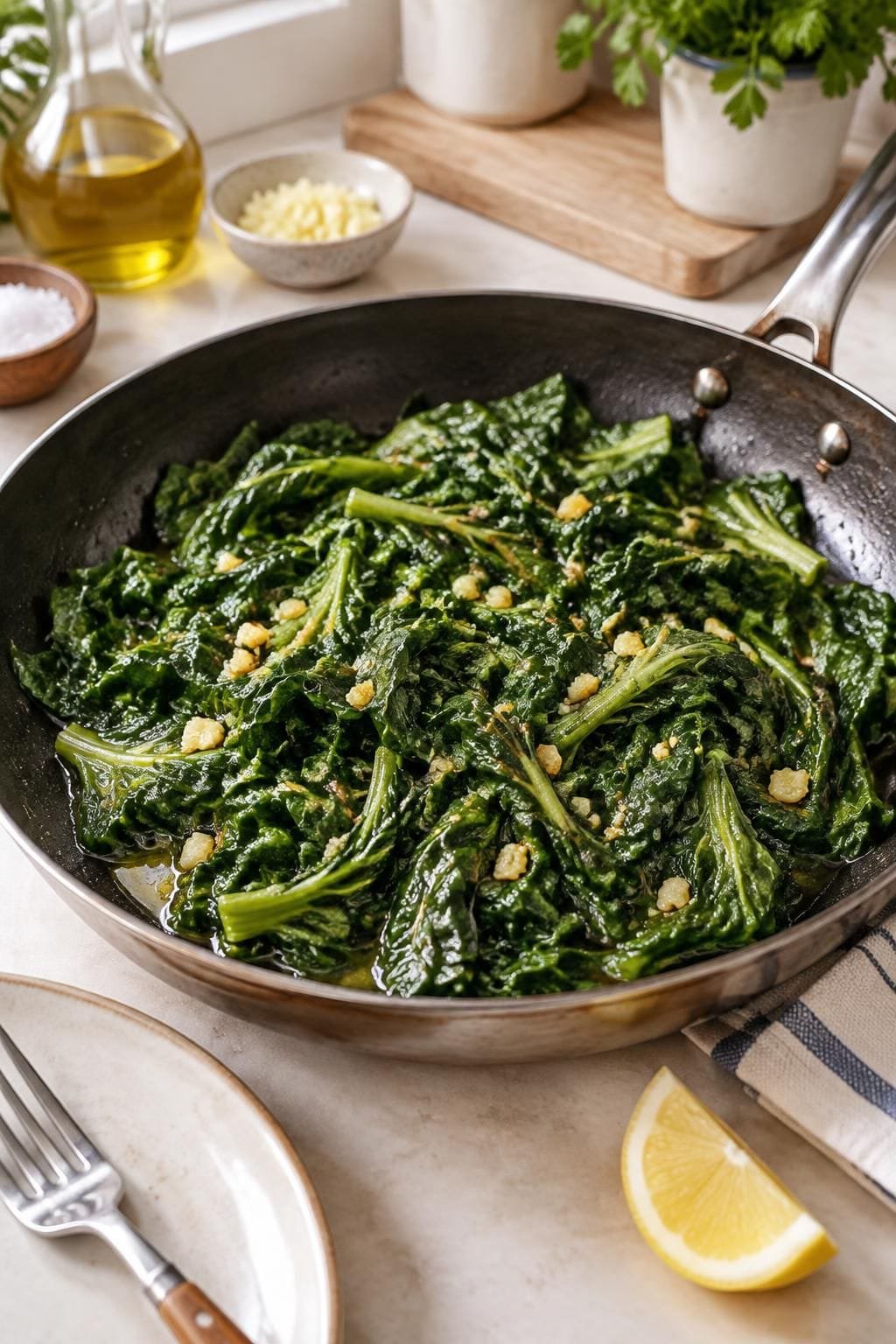
Mild, green leaves love garlic, lemon, and olive oil. A sauté is the easiest place to start. Warm a little olive oil, toss in minced garlic, and let it sizzle for a few seconds. Add the leaves and a pinch of salt, then turn them until they wilt. Finish with a squeeze of lemon.
Plan on shrinkage. A big pile of raw leaves shrinks a lot when it cooks. Start with more than you think you need.
They also show up nicely in soups and stir-fries. Add them to a broth-based soup near the end. Or toss them in a stir-fry with garlic and a savory sauce like black bean. For eggs or a frittata, chop them fine and fold them in.
Where the evidence stops
A lot of the advice on zucchini leaves comes from gardening sites, not clinical studies. Good data on cucurbitacin levels in leaves is hard to find. Reactions also vary. Someone with a sensitive stomach might get sick from an amount that bothers nobody else. If you have a digestive condition or another health concern, check with your doctor before you try new greens.
Start small. Grab a few young leaves from a plant you know, cook them up, and see how they taste. Anything bitter, sprayed, or unknown goes in the compost pile instead.
General information, not medical advice. If you have a health condition or a suspected poisoning, contact your doctor or Poison Help at 1-800-222-1222.