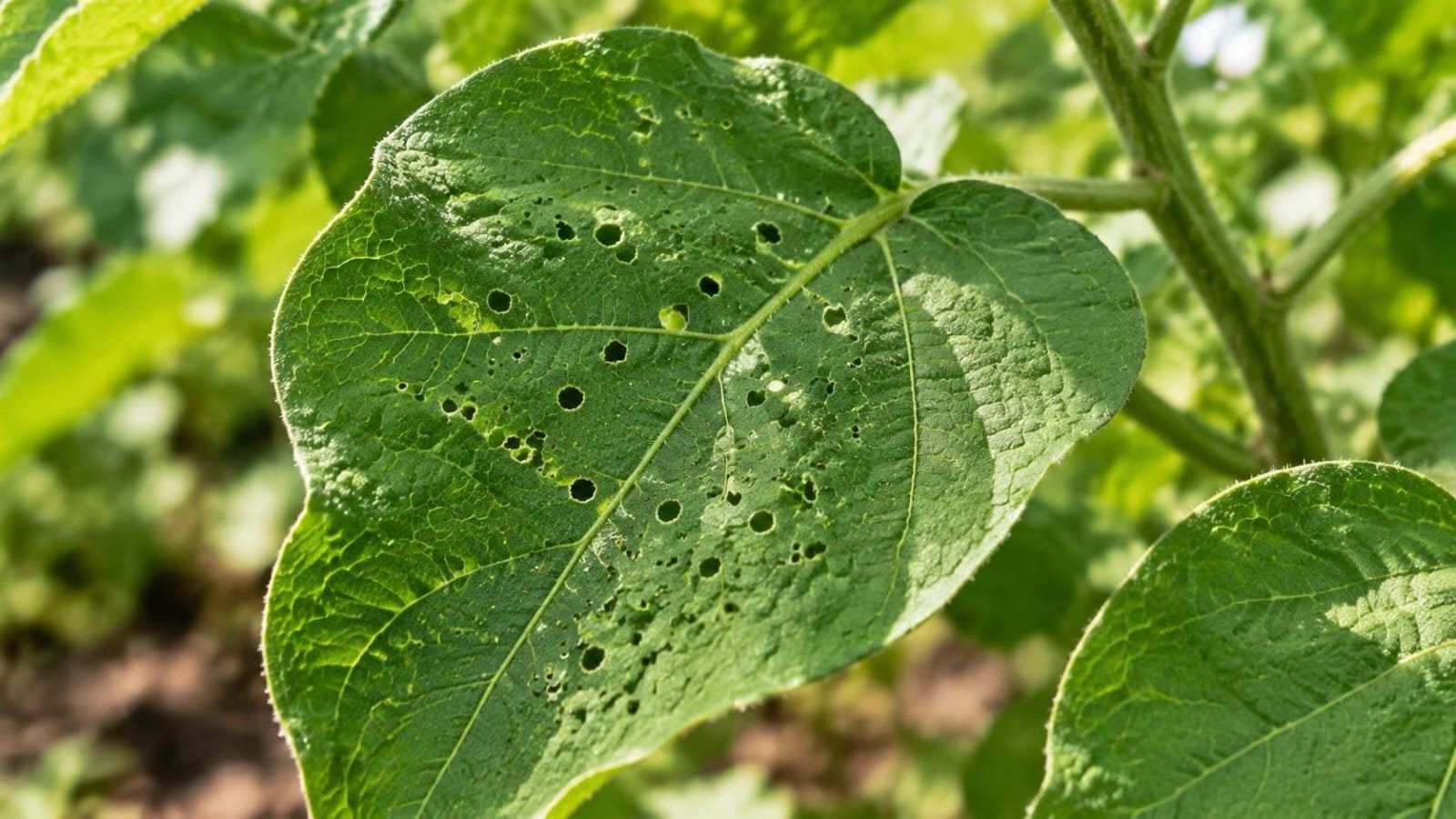
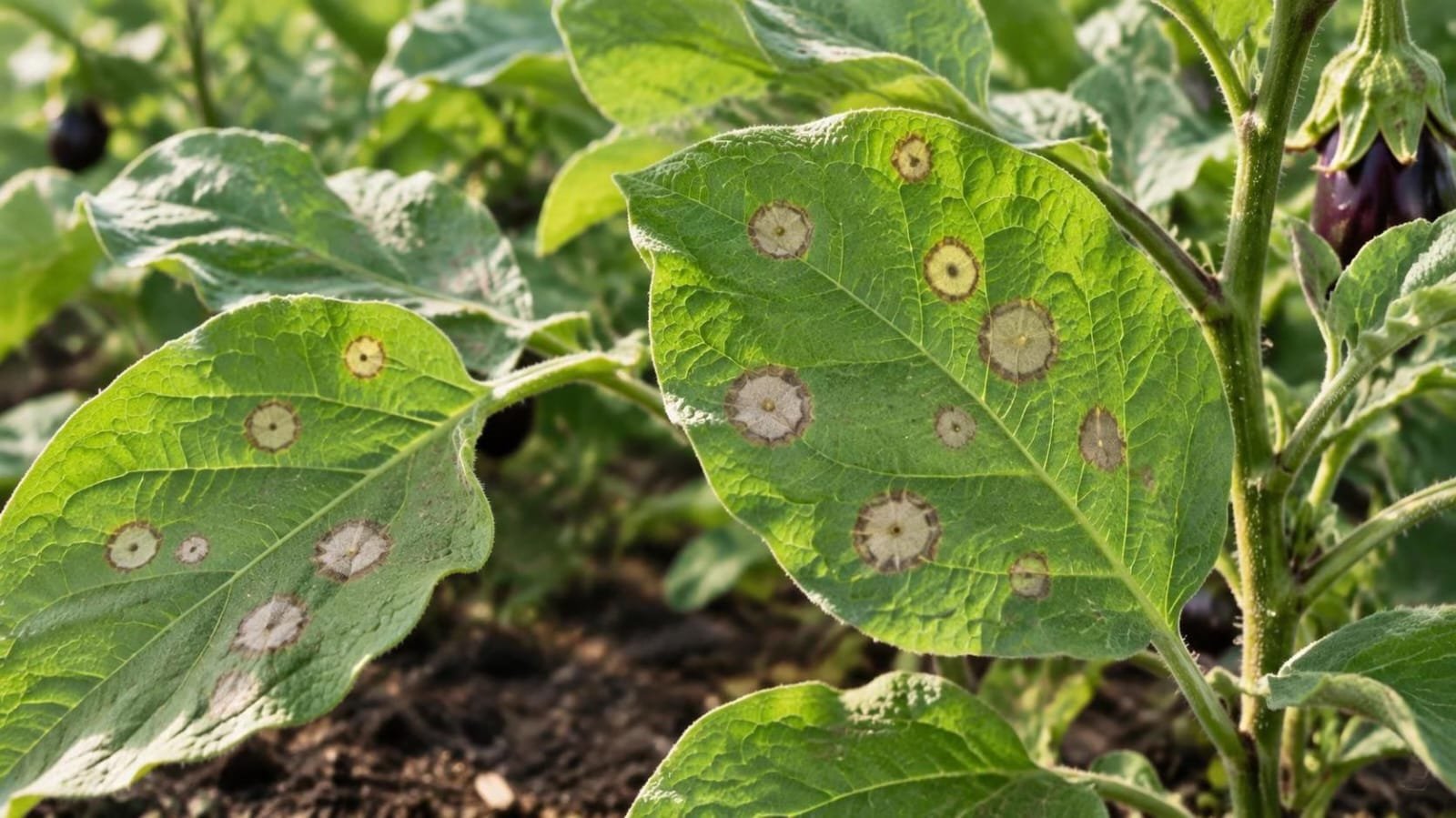
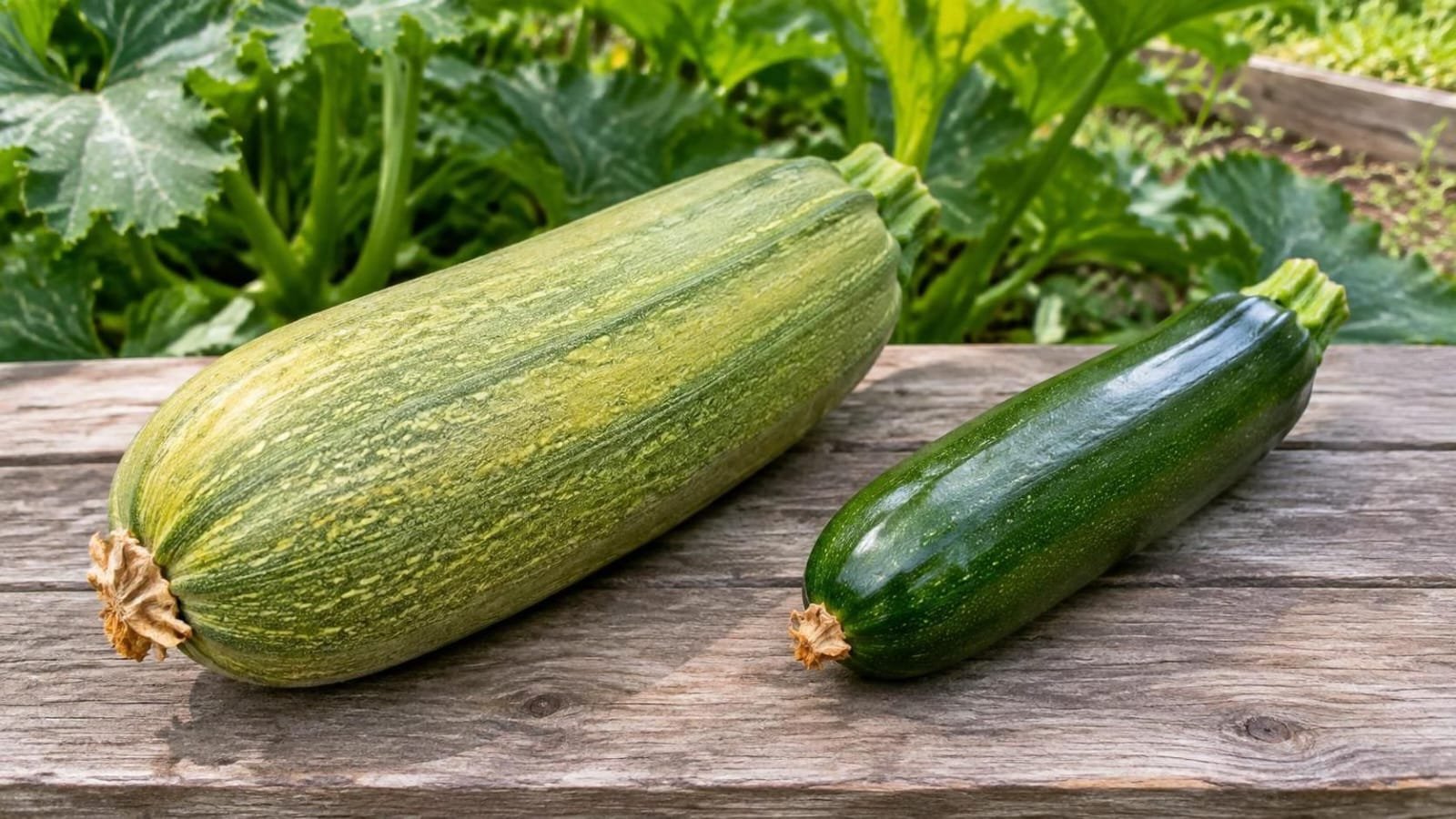
White spots on eggplant leaves usually mean powdery mildew, a fungus that grows on the leaf surface. Sunscald is different. It bleaches and burns exposed areas, and it often shows up on fruit after the leaves that shaded it fall away. Look at the surface: a powdery film that rubs off points to mildew, while a pale patch that stays put points to heat or sun damage.
A white leaf can look alarming, but two common causes look alike at a glance. If the leaves are uniformly yellow rather than marked with powdery patches, start with the eggplant yellow-leaf guide. This guide helps you tell them apart and decide what to do first.
What does powdery mildew on eggplant look like?
Penn State Extension describes powdery mildew on vegetables as a white, powdery coating on the leaves and sometimes the stems. The fungus grows in high humidity and survives on plant debris. University of California Cooperative Extension notes that the white spots first appear on both leaf surfaces and then spread across the leaves.
Eggplant can also get a powdery mildew caused by Leveillula taurica, and it doesn’t always look like the white film described above. Its first signs are often yellowish or pale spots on the upper leaf surface, with a grayish or white growth on the underside. Infection tends to begin on the lower leaves. INRAE’s eggplant powdery mildew sheet describes powdery spots on the upper surface that spread across the leaf, which is a useful reference for the pattern.
Mildew usually starts on older leaves. The leaves may yellow, die, and drop, which can expose fruit to sunburn. Severe infections can cut yield and reduce fruit quality. Mildew rarely grows on the fruit itself. Eggplant leaves are the main place to look.
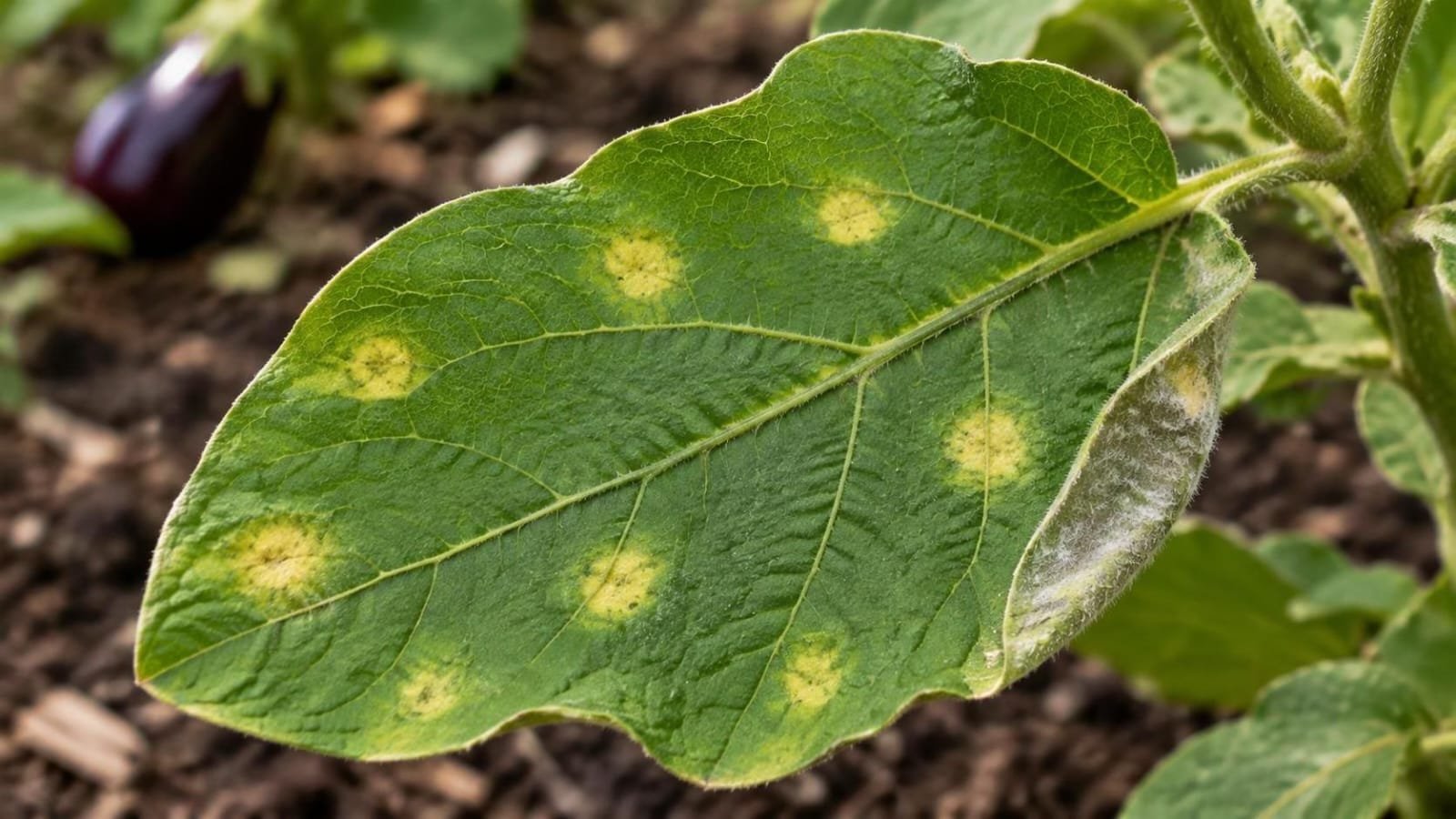
How is sunscald different from mildew?
Sunscald is a heat and light injury, not a fungus. It shows most often on fruit that is exposed to direct sun, and less often on leaves. The patch looks pale or white, then dries and may become sunken. The patch stays fixed, and it does not rub off. Utah State University Extension explains that sunscald often follows foliage loss, when fruit is left exposed to the sun.
If the plant has lost leaves that once shaded the fruit, sunscald on the fruit is likely. Why Are My Eggplant Leaves Turning Brown? covers how sun scorch and sunscald differ in more detail, and How Much Sun Does Eggplant Need? covers light needs.
What is the quickest way to tell them apart?
Start with a simple test. Rub a leaf gently with a finger. Powdery mildew often rubs off as a white dust. Leveillula can leave less dust on the upper surface, so a clean finger test is only a first sign, not a final answer. Sunscald and bleaching stay on the surface. Then check which leaves are affected. Mildew often starts on older leaves, while sun damage hits leaves and fruit that face the strongest light.
Should you check both sides of an eggplant leaf?
Turn the leaf over before you decide. Mildew growth can be heavier on the underside, and some powdery mildews show up there first. Spider mites leave a different sign: fine stippling, bronzing, or webbing, often on the underside.
Also look at the pattern. Leaves on one side, older leaves at the base, or spots that spread upward all suggest different causes. Compare what you see with the table below.
| Feature | Powdery mildew | Sunscald or sun bleaching |
|---|---|---|
| Cause | Fungus that grows on the leaf surface | Too much direct sun and heat |
| Texture | Powdery film that rubs off | Dry, papery patch that stays put |
| Where it starts | Often older leaves, then spreads | Exposed leaves and fruit facing the sun |
| Usual next step | Improve airflow and remove infected debris | Add shade during the hottest hours and keep leaf cover |
Swipe sideways to see every column.
Could white spots be something else?
Yes. Spider mites can leave pale stippling that looks like white speckling. Spray residue or dried water spots can also leave white marks on the leaf surface. Both can look like mildew at a glance. A clean leaf, no webbing, and no fuzzy growth point away from mildew and toward these causes. Why Are My Eggplant Leaves Turning Brown? covers other leaf changes that can look similar.
How do you reduce powdery mildew?
Good airflow is the first defense. Give plants room between them, and avoid crowding them against walls. The eggplant spacing guide explains how much space to leave for healthy airflow. Water in the morning so leaves dry by evening, and water the soil rather than the foliage. Remove badly infected leaves and plant debris, since the fungus survives on old tissue.
Penn State Extension notes that mildew is mostly cosmetic on many vegetables, though it can still reduce yield in a severe case. Resistant varieties help when they’re available. Before you spray, confirm the diagnosis, since many leaf problems look similar. Eggplant Diseases: Symptoms, Identification, and Treatment covers the disease options.
How do you protect leaves and fruit from sunscald?
Keep the foliage healthy so it shades the fruit. Keep the soil evenly moist, since stressed plants lose leaves faster. In the hottest weather, shade the plant during the afternoon with a light cloth. Don’t remove too many leaves at once, since those leaves protect the fruit.
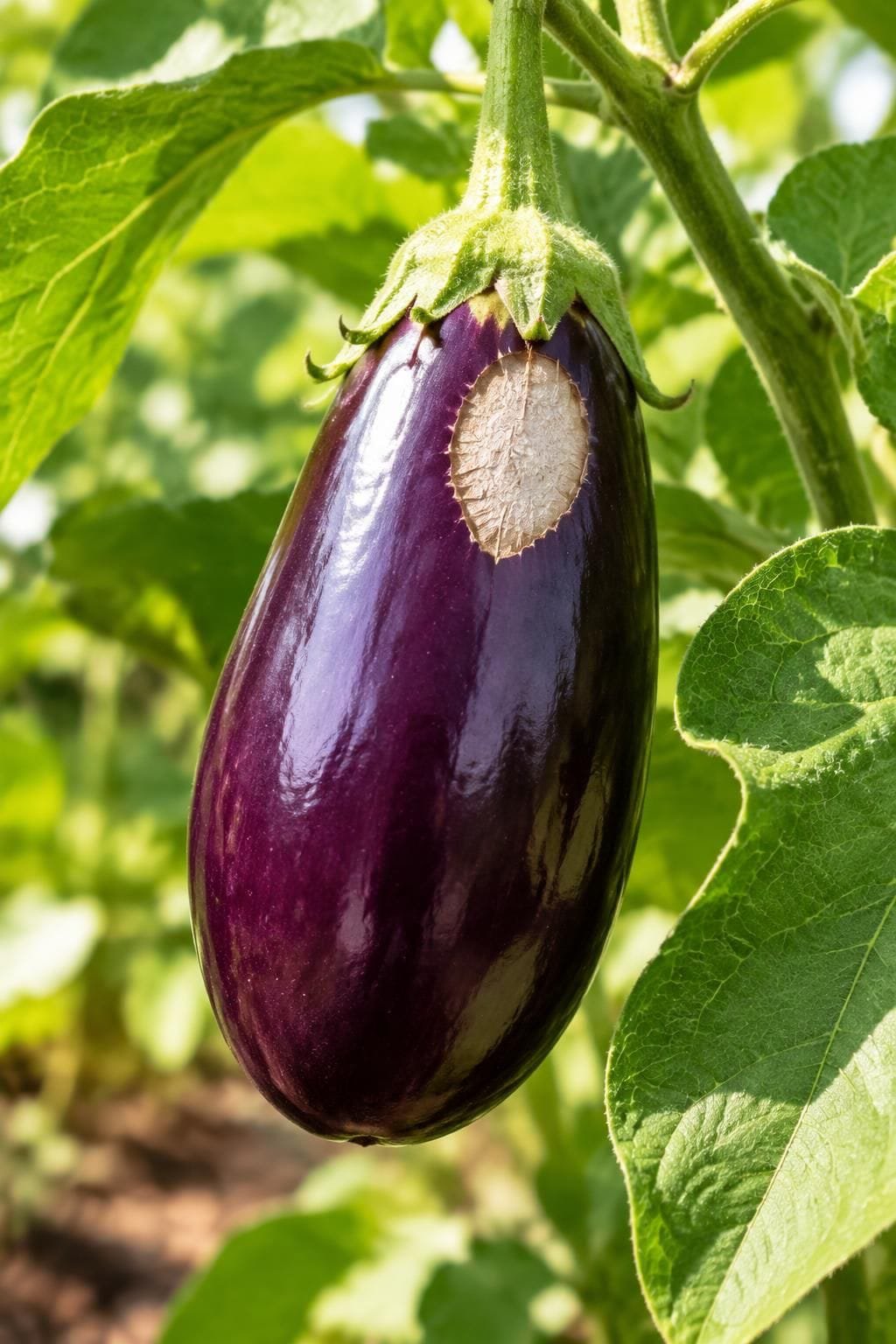
Sunscald and mildew can happen on the same plant. Treat the cause that matches each symptom, not just the most visible one.
When should you worry about white spots on eggplant leaves?
Call for attention if the white coating spreads across the whole plant, if older leaves drop quickly, or if fruit shows pale, sunken, or burned areas. Keep notes with dates, and compare photos from week to week. For the leaf patterns in general, Eggplant Leaves: Identification, Problems, and Care is the place to start, and How to Grow Eggplant: Planting, Growing, and Care connects these checks to the rest of the season.