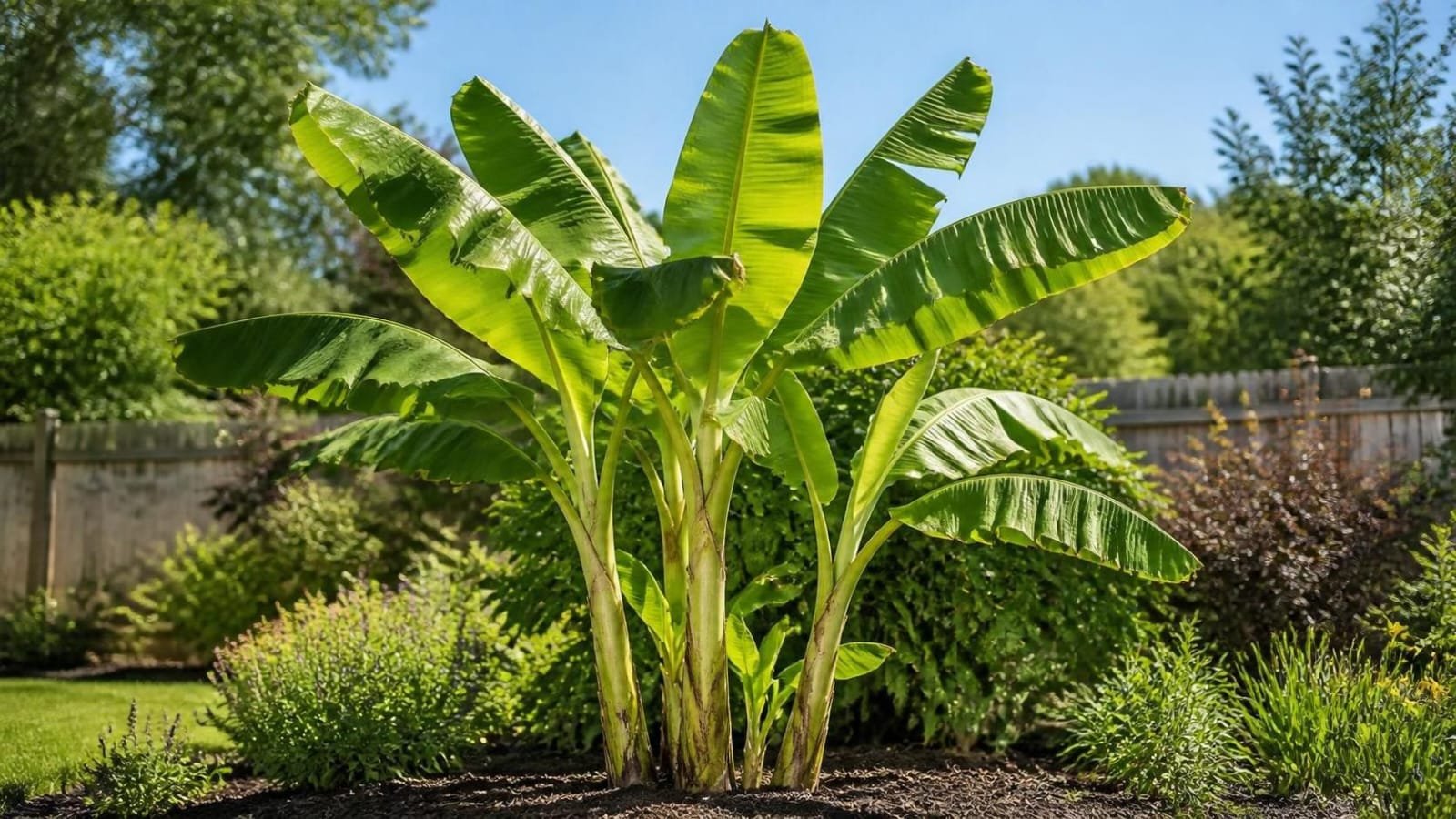
A hardy banana plant, almost always Musa basjoo (also sold as Japanese banana), dies back to the ground each winter in cold climates. Then it regrows from its roots in spring. The leaves and trunk won’t survive a hard freeze, but the roots can, especially under mulch. In zones 5 to 8, expect a lush green plant in summer and bare ground in winter.
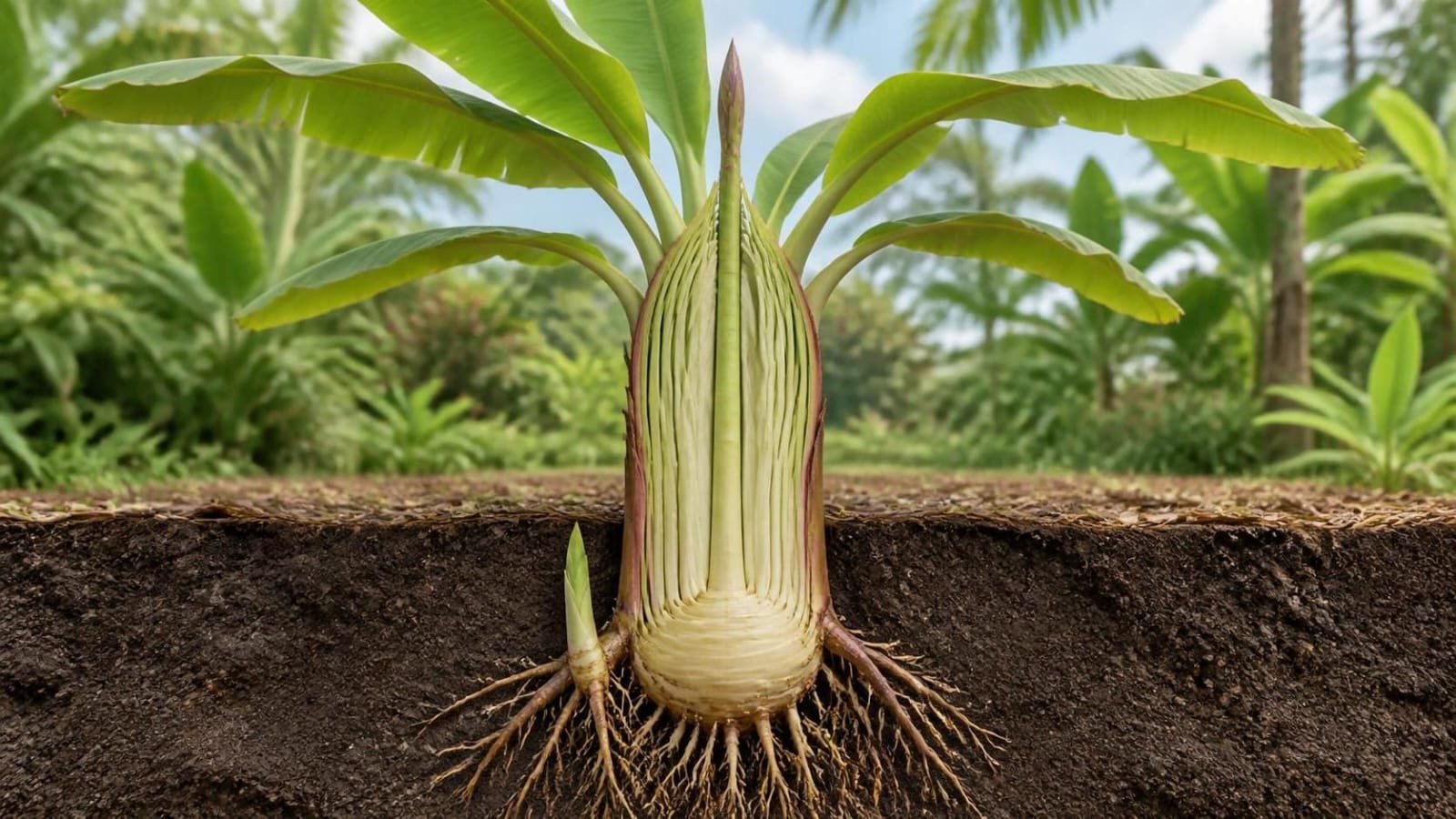
That bare patch scares a lot of people, so here’s why it’s normal. What looks like a trunk is really a pseudostem, a tight roll of leaf bases with no wood inside. The real stem lives underground. That’s why the plant can lose every leaf and still come back. Our piece on whether banana trees are actually trees covers the botany.
Is this banana tree hardy enough for your winter?
The sources agree on the broad picture and differ at the edges.
- Zones 5 to 8: the plant dies back to the ground each winter. NC State Extension reports the rhizomes tolerate about −10°F when cut back and mulched.
- Zones 9 and 10: usually evergreen, though a hard frost can still burn the leaves.
- Zone 4: some nursery and garden sites claim it, but the extension sources stop at zone 5. Treat zone 4 as an experiment.
- The cold limit: an Arkansas extension horticulturist put it near −5°F unprotected and −20°F under heavy mulch. Zone 5 gardeners report good results. Plan on heavy mulch there.
Take those numbers as field reports. Nobody can promise them for your yard. A sheltered spot by a building or driveway gives the plant better odds. Plant Delights Nursery adds that wind shreds the leaves but doesn’t hurt the plant. Cold, soggy soil is the combination to avoid, so pick a bed that drains.
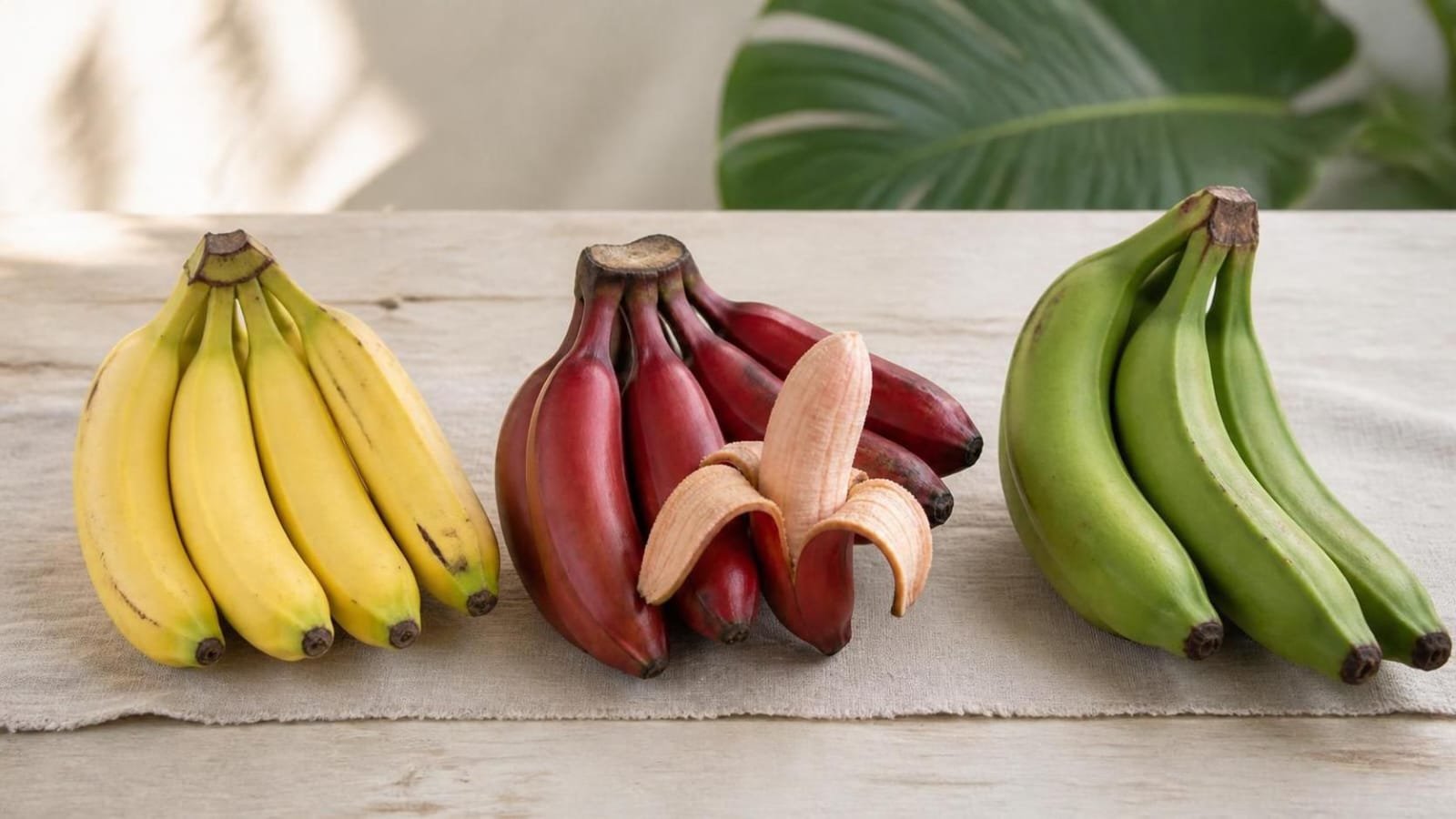
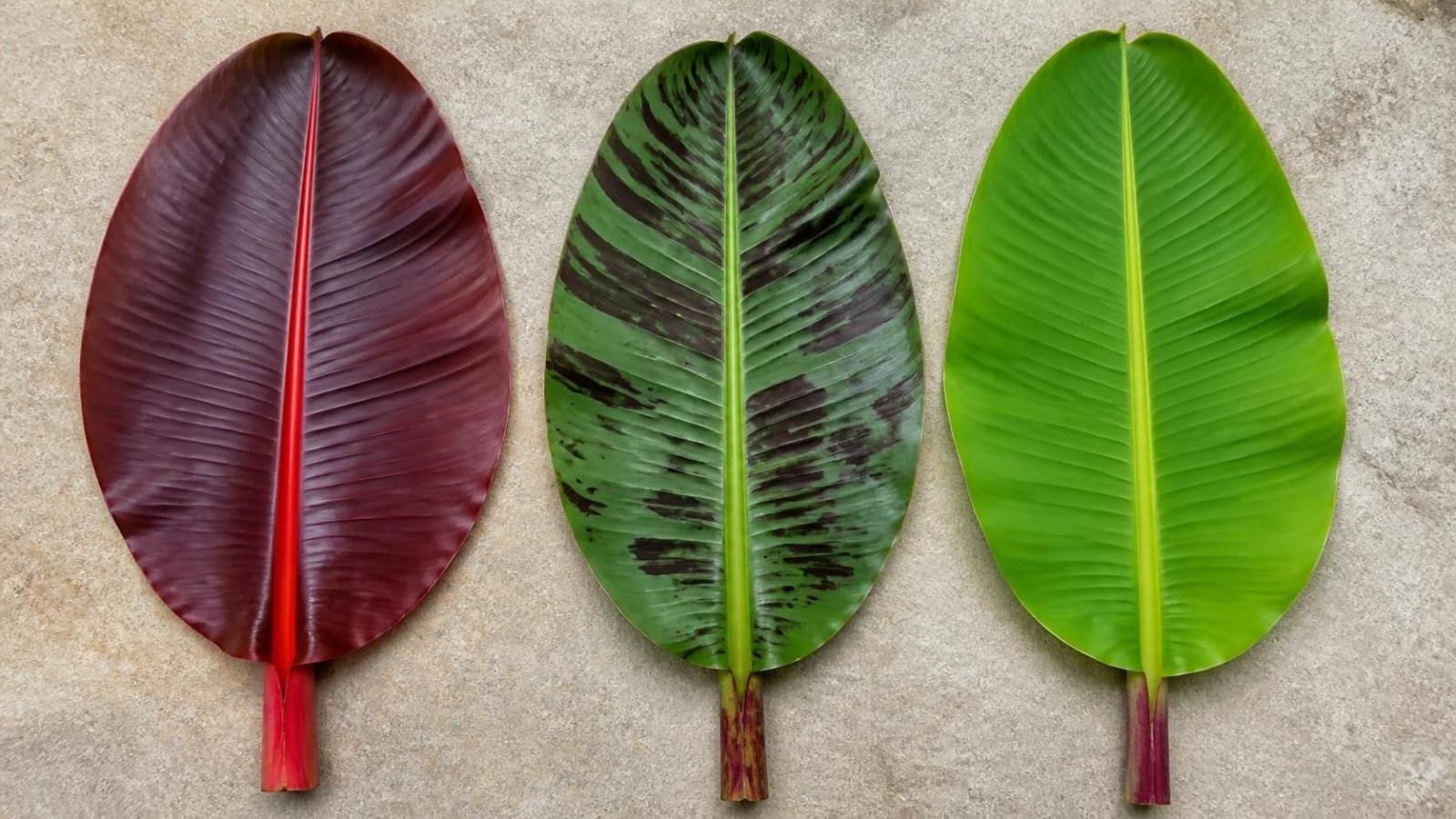
Hardiness doesn’t carry over from one banana to the next. If you were after a red banana tree, check its zone on its own. Other cold-tolerant bananas exist, and a Musa basjoo selection sold as ‘Sakhalin’ is reportedly hardier. Our guide to banana tree types and varieties sorts through the options.
Getting a hardy banana through the first winter
Wait until frost blackens the leaves, then work in this order:
- Cut the stems back to about 2 feet, as NC State advises.
- Wrap what remains in burlap or bubble wrap.
- Pile thick mulch around the base. Our guide to mulch for banana trees covers the options. In the colder zones, a wire cage packed with straw adds more insulation.
Growing yours in a container? Bring it into a sunny room before the first frost, and give it at least a 10-gallon pot, as Plant Delights suggests. Our banana trees in pots guide covers container care.
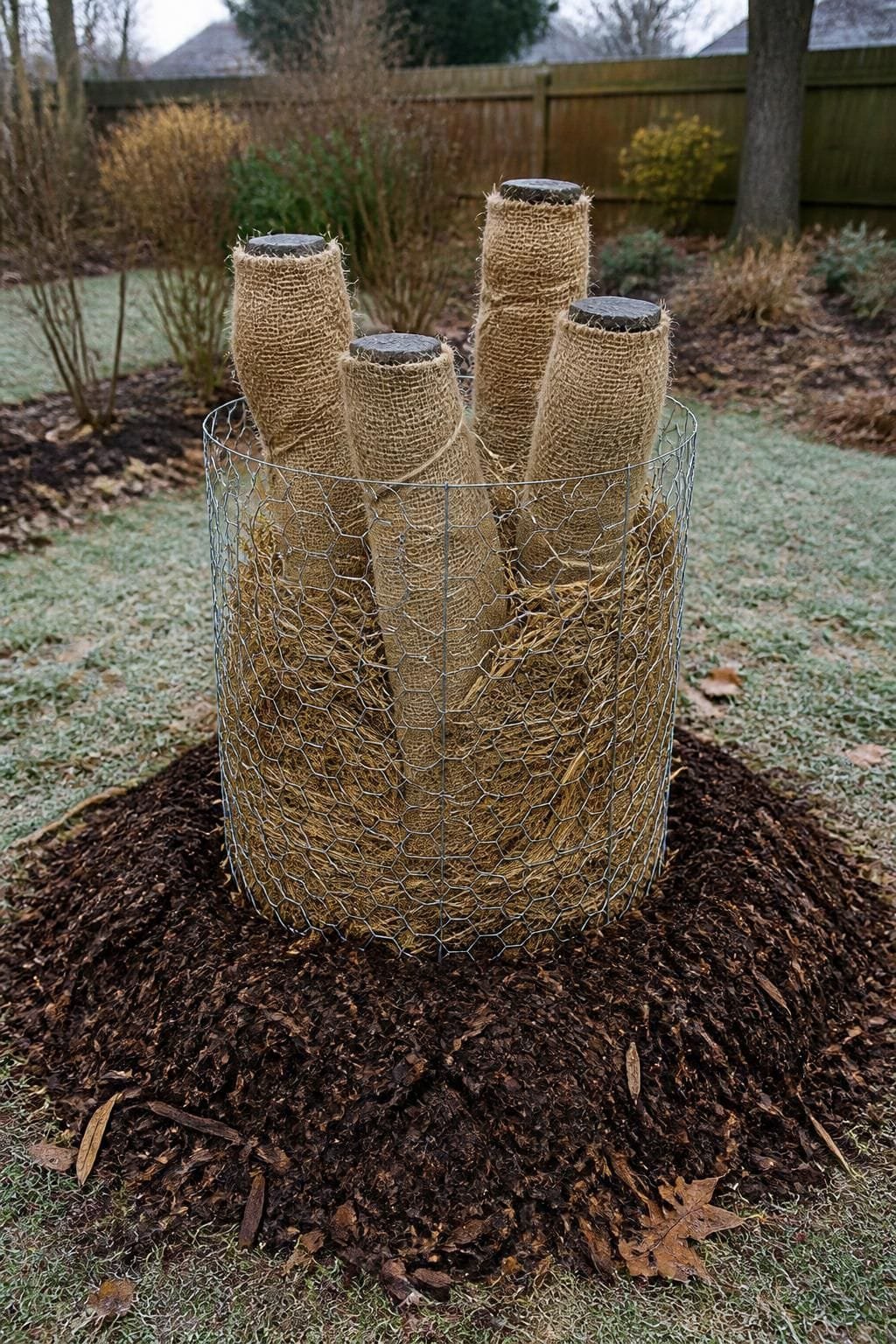
Some growers skip the cutting and let the stems collapse under a foot of straw, on the theory that the pile insulates the roots. That is an untested idea, so on a plant you can’t easily replace, cut back and mulch.
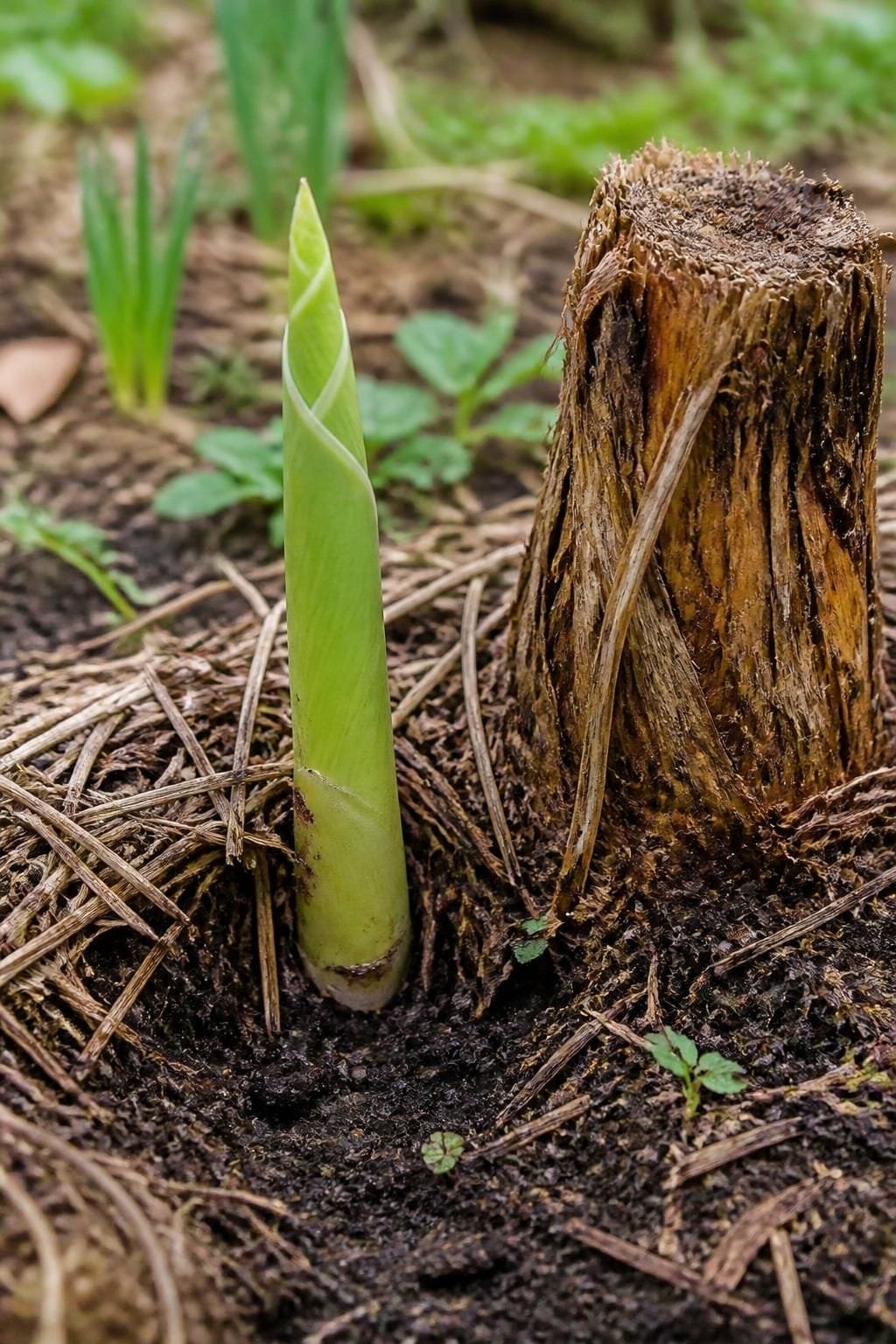
In spring, remove the covers after the last frost, then be patient. New shoots rise from the roots, and they can be slow. If your bed looks empty in April, you’re not alone. Bare ground that early doesn’t mean the plant is dead.
How big does it get, and does it fruit?
Give it full sun to part shade and moist, well-drained soil. It’s thirsty, so don’t let it dry out. Feed it in spring before growth starts.
It also needs room. The Arkansas horticulturist described a two-year-old plant with three trunks already over 8 feet tall. A six-year-old clump had more than a dozen stems spread about 6 feet across.
Flowering takes 10 to 12 frost-free months, so in cold zones you’ll probably never see blooms. Any fruit is inedible. To make more plants, divide the offsets as growth begins in spring. For propagation in general, see growing a banana tree from a banana.