
No. A banana from the grocery store will not grow into a banana tree, whether you plant it whole, cut in half, or set it in a glass of water. It comes from a triploid plant that is effectively sterile, so the specks inside are not viable seeds. And the part that makes new banana plants, an underground stem called the rhizome, isn’t in the fruit at all.
You can still end up with a banana plant. Three routes work: a pup taken from an existing plant, a tissue-cultured plantlet from a nursery, or seeds from a type of banana that really does set seed. The rest of this page sorts out which one suits you and why the popular shortcuts fail.
Those black specks are not seeds
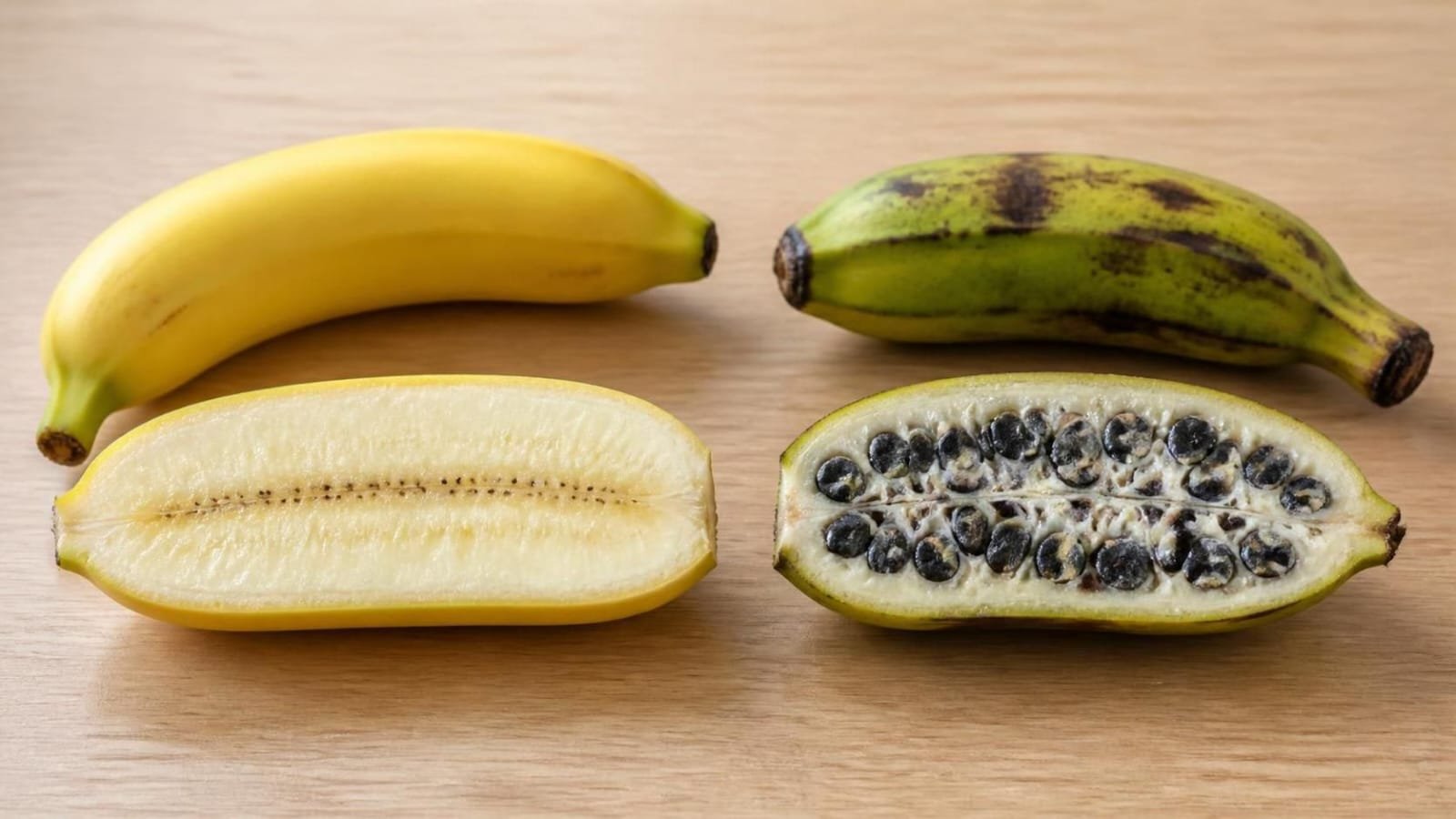
Slice a banana lengthwise and look at the center. Many people wonder about those dark dots, and you’re not alone if you have pictured them sprouting. They are ovules that started to form and gave up. A Brazilian study of banana ovule development found that in Cavendish-type bananas the unfertilized ovules abort. The fruit swells anyway, a habit called parthenocarpy, and a University of Leicester cytogenetics review notes that the triploid plants behind it are sterile.
Triploid means three sets of chromosomes instead of two. An odd number can’t be shared out evenly when the plant makes eggs and pollen, so very few of them work. That’s why you can eat a banana without chewing through hard seeds.
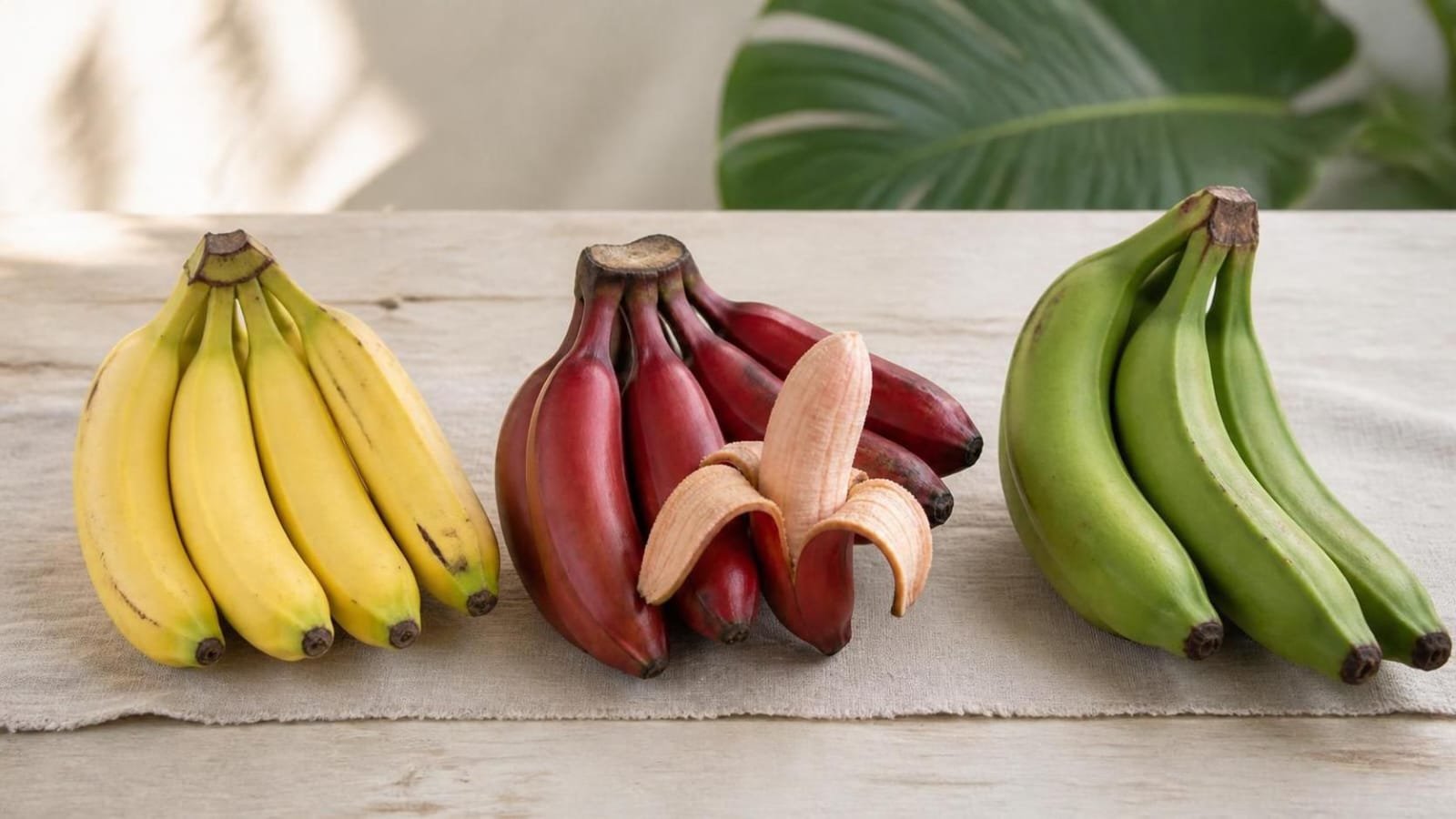
Fair enough if you wonder whether yours might be the exception. A few cultivated types do let some ovules be fertilized, and the same Brazilian study saw it in the Prata group, which is also triploid. A seed or two is still a long way from a plant that grows. The banana you buy is usually a Cavendish. Still, the fruit alone can’t tell you which variety you’re holding, and that’s one place where a description only gets you so far.
Banana in water, cut in half or buried: why the tricks fail
Search this question and you’ll find short videos and social posts showing a banana sprouting from a jar, a cut half, or a peel. No university extension or botanical source in the research behind this article backs any of them. A jar of banana water will grow plenty, mostly fuzzy.
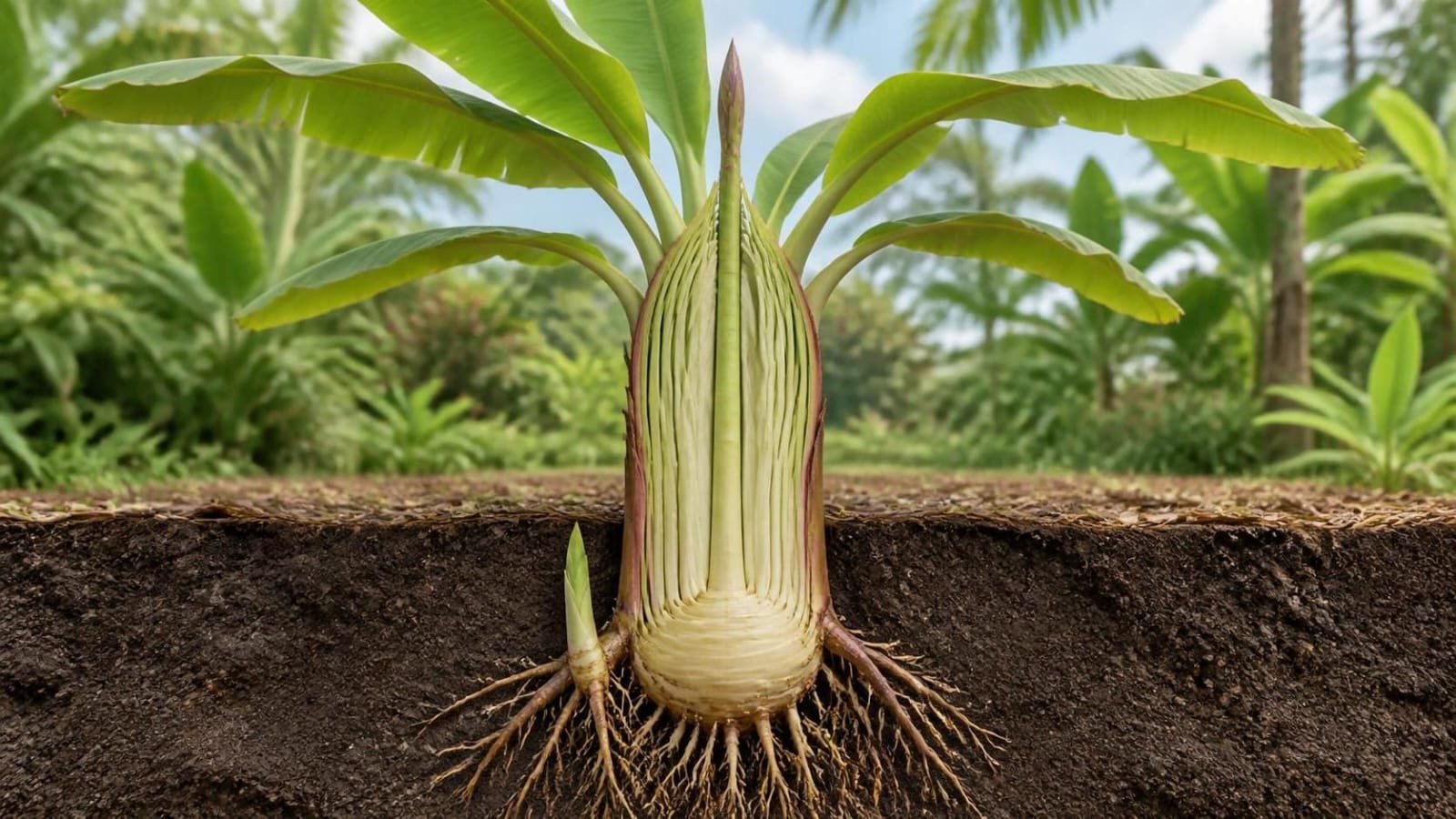
The logic is simple once you know where a banana plant makes new shoots. It spreads from the rhizome at the base, which sends up side shoots called suckers or pups. The fruit hangs from the top of the plant on a flowering stalk and carries none of that tissue. Here is how the usual attempts tend to go.
| What people try | Likely result | Why |
|---|---|---|
| Whole banana in soil | Decay, no shoot | The fruit has no growing point and no rhizome tissue to make roots or shoots. |
| Banana cut in half | Decay, no shoot | Same fruit with more cut surface exposed, and still no rhizome tissue. |
| Banana in a glass of water | Decay, no roots | Ripe fruit breaks down in water, and it has no tissue that forms roots. |
| Peel buried in the pot | Breaks down | The peel is fruit skin. It works as compost and carries no growing tissue. |
| Piece of stem (trunk) or a leaf | Unreliable at best | The buds that make new plants sit in the rhizome, so pieces without a slice of it are not a recognized way to propagate. |
| Banana blossom | Not a propagation method | It is the flowering stalk of the plant, and growers rely on suckers and rhizome pieces instead. |
How to grow a banana tree from a banana plant instead
So how do you grow a banana tree from a banana? Borrow a piece of a banana plant instead of the fruit. There are three ways to do it, and the first suits most people.
A pup from a plant that already exists
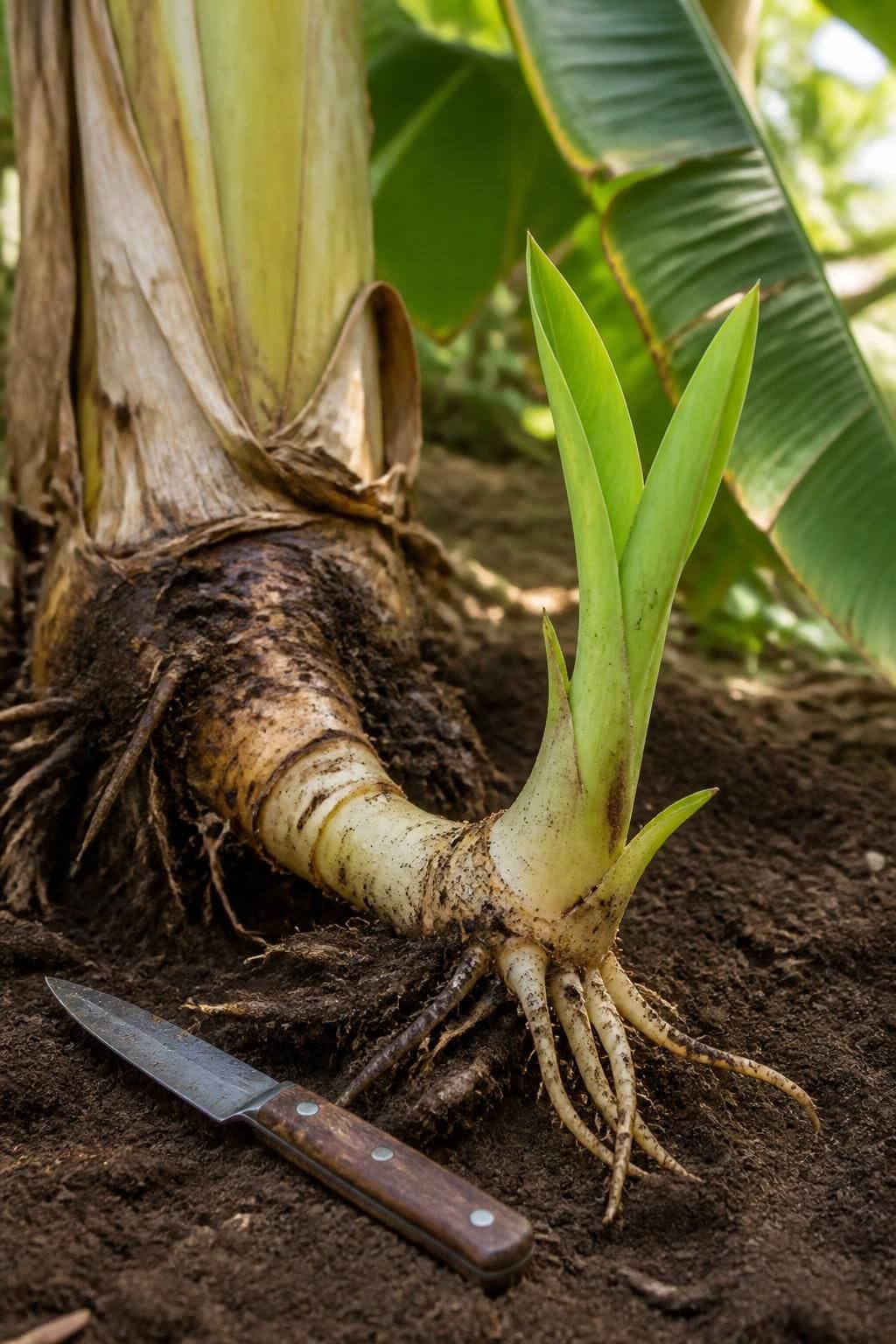
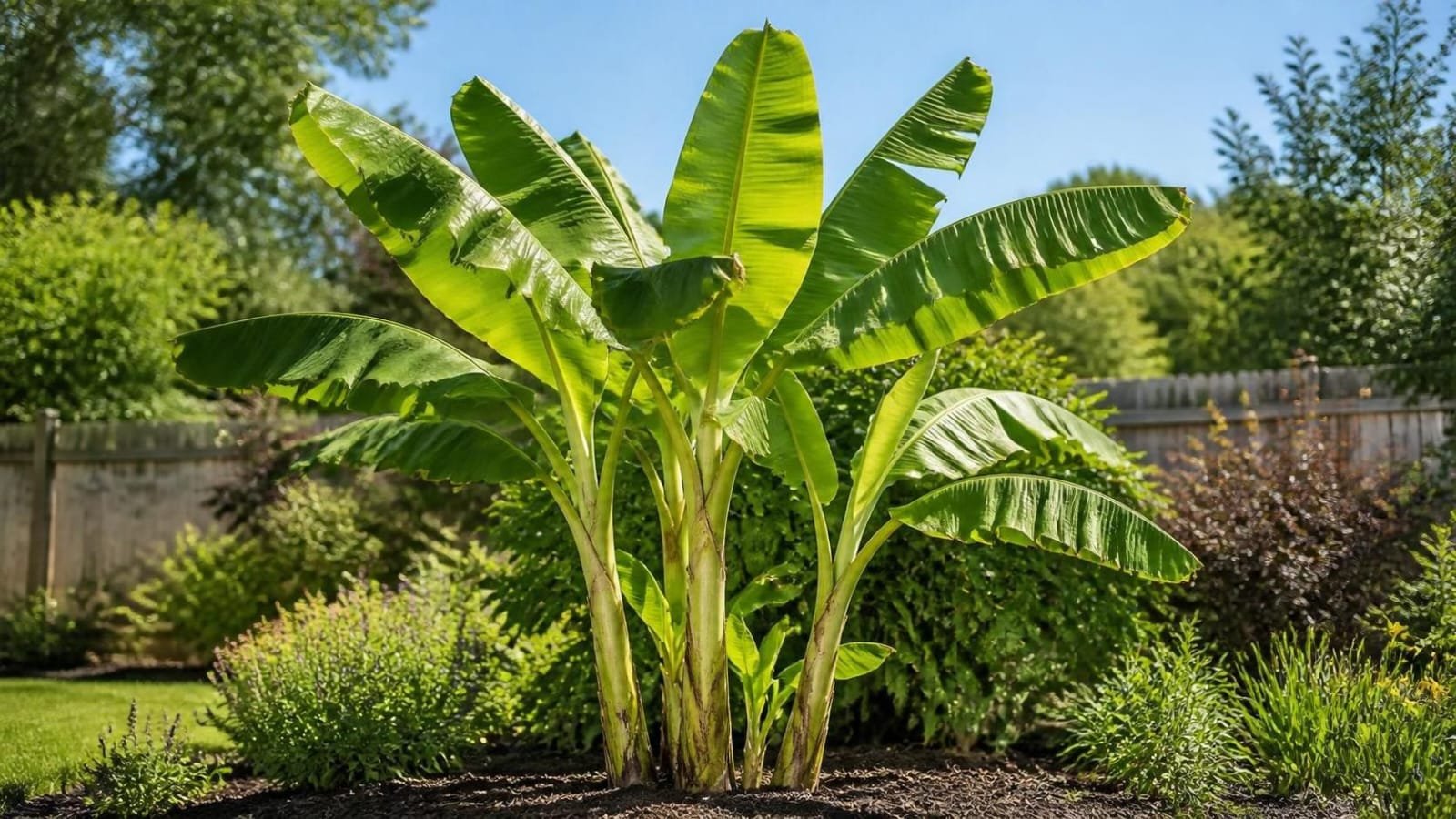
Skip the produce aisle and ask a neighbor. A banana clump keeps making pups, and growers are usually glad to hand some over. University of Florida extension calls the banana a herbaceous plant, which is the short answer to whether banana trees are actually trees. The same source lists suckers or pieces of rhizome as the most common planting material, and it tells the kinds of sucker apart. Sword suckers, with narrow leaves, grow into fruiting plants. Water suckers, with broad leaves, attach poorly to the rhizome and tend to give weak plants and less fruit.
Choose a sword sucker with a few roots of its own and a clean connection you can cut through. Our guide to propagating banana plants walks through the cut and the replanting. Ask about local rules first, since some regions restrict moving banana material to slow the spread of plant diseases.
A tissue-cultured plantlet from a nursery
If nobody near you grows bananas, buy a plant. Tissue-cultured plantlets are grown in a lab from tiny bits of growing tissue. That gives you uniform plants, usually free of most diseases when a reputable supplier makes them. It’s also the easy way to get a specific variety. Dwarf types suit pots and small yards, and our guide to banana tree types and varieties helps you choose. The red banana tree is a colorful option. Where winters freeze, read about the hardy banana plant before you buy.
Banana seeds: only from types that make them
Seeds work, with a catch. They have to come from a banana that really sets seed, which means wild species and other seeded varieties, never grocery fruit. Gardening Know How notes that the fruit on those plants is seedy, sometimes so much that the pulp is hard to reach. Its advice is to soak the seeds in warm water for a day or two, sow them shallowly in a moist, airy mix, and keep them at 60°F or warmer. Germination can take anywhere from two or three weeks to more than two months, depending on the variety.
Wild banana seeds aren’t easy even for researchers. A study of wild banana seeds from Papua New Guinea by Kew, Meise Botanic Garden and partners points to real knowledge gaps in how best to collect, store and germinate them. Buy only from a seller who names the species.
What the odds really look like
Plant breeders have tried hard to get seeds out of Cavendish, because disease threatens the variety. For decades Cavendish was assumed to have low fertility. A breeding program at a Honduran research foundation set out to test that in 2002, and the ISHS abstract reports that it pollinated 20,000 bunches, roughly 2 million fingers. Its full paper found Cavendish pollen to be partly fertile, so the variety is not perfectly sterile. Even so, getting seed took deliberate crosses on a very large scale. The Brazilian paper puts numbers on it. In the controlled pollinations of banana and plantain it reviews, researchers got only one to five seeds per 100 fruits, and each fruit holds at least 300 ovules.
Fruit that ripened without pollination has no fertilized seed inside to find, and breeders who do cross on purpose collect seed slowly. Your fruit bowl banana is very unlikely to be the exception.
How long until you eat one
Some pages promise bananas in three to five years. Extension figures for a pup are shorter. University of Florida extension notes put the time from planting a small sucker to harvest at 9 to 20 months, depending on temperature, variety and care. Our page on how long a banana tree takes to grow breaks that down by stage. The one on when banana trees flower and produce fruit covers the flowering step. Each trunk fruits once and the pups carry on, which our page on whether banana trees only fruit once explains. Indoors, expect a leafy plant and treat fruit as a bonus.
Questions people ask about growing a banana plant from a banana
Can you grow a banana tree from an organic banana?
Organic bananas in stores are typically the same seedless types, so the answer is the same as for any grocery banana.
Can you grow a banana plant from a banana in a pot or indoors?
The fruit fails in a pot for the same reasons it fails in the ground. A pup or plantlet does well in a large container, and dwarf types suit it best, though a plant kept indoors rarely fruits.
Can you plant the black specks anyway?
You can, but don’t expect anything to come up. They are remnants of ovules that never became seeds.
Which route fits you
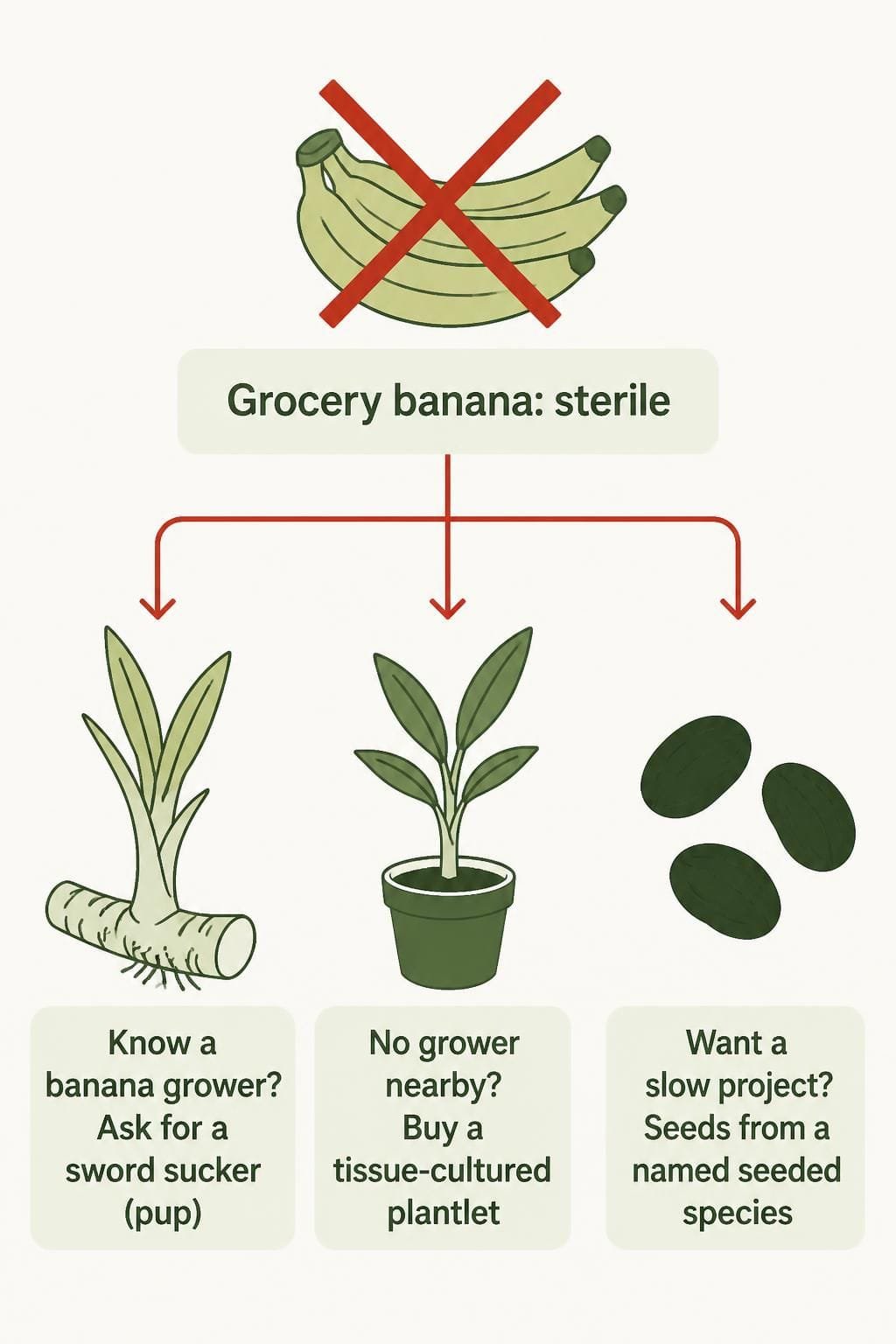
- You know someone with a banana clump: ask for a sword sucker with a few roots.
- Nobody nearby grows them: order a tissue-cultured plantlet of a variety that suits your space.
- You like a slow project and a seedy ornamental: buy seeds of a named seeded species and be patient.
If you can only do one thing this week, ask around for a pup.
2 thoughts on “Can You Grow a Banana Tree From a Banana?”