Blue Rug juniper (Juniperus horizontalis ‘Wiltonii’) is a low, spreading evergreen shrub with silver-blue foliage. It forms a mat about 4 to 6 inches tall. The spread ranges from 4 to 13 feet, depending on the source. It needs full sun and well-drained soil. Once established, it handles dry ground well, so wet soil is the main risk.
Blue Rug juniper is a practical way to cover a hard spot. Think slopes, banks, or the top of a wall, where grass struggles and mowing is a pain. It’s also easy to get wrong. Plant it in a wet, low spot and the roots can rot. Plant it in full sun with good drainage, and it will spread over time with very little work.
What Blue Rug juniper looks like
Blue Rug belongs to the species Juniperus horizontalis. It came from a natural mutation found in Maine by Jacob van Heiningen of South Wilton, Connecticut. The NC State Extension profile describes it well. Nurseries also sell it as Blue Rug creeping juniper, so don’t let the name throw you. Here’s what to look for:
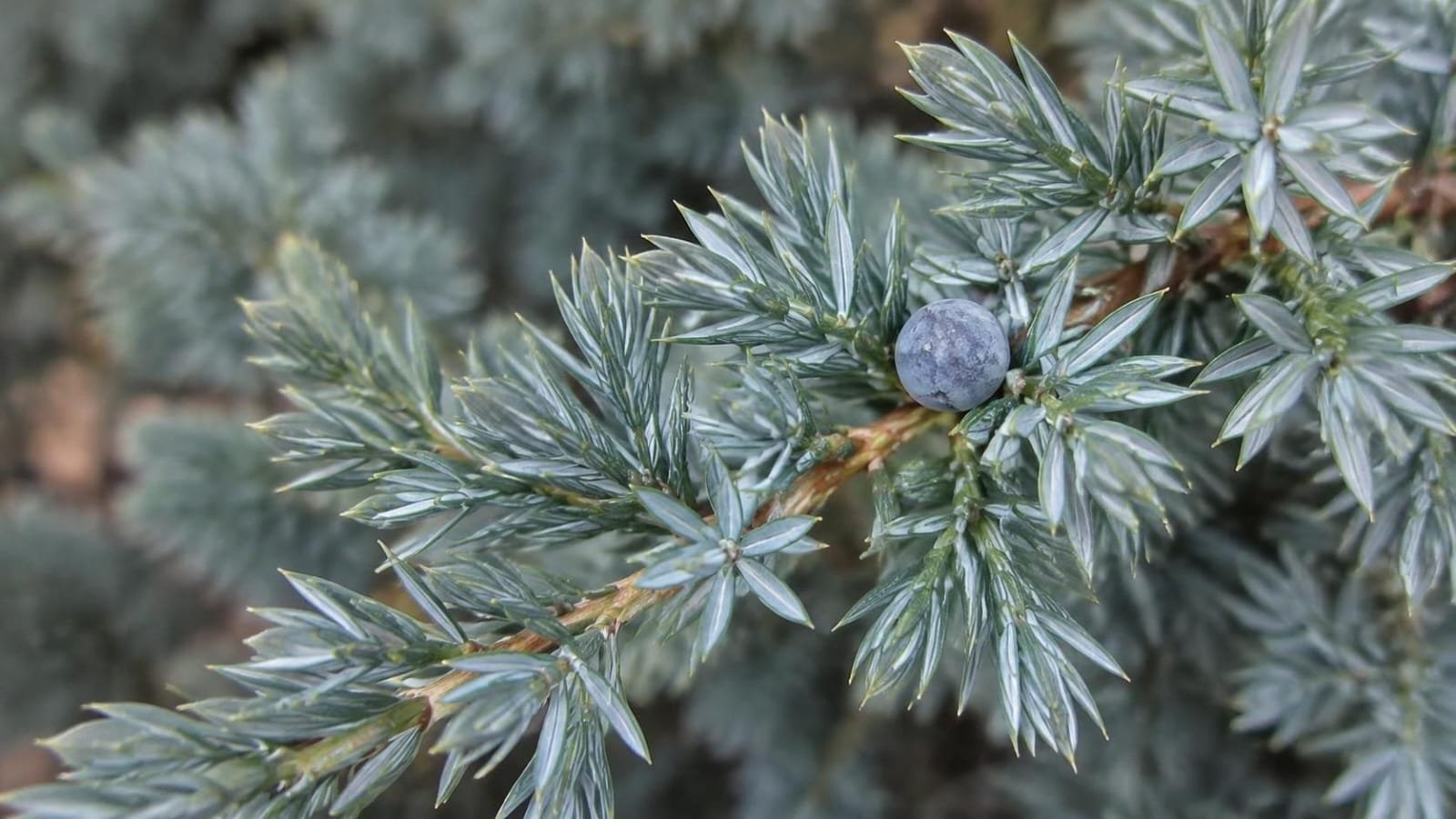
- The leaves are scale-like and silver-blue. They grow on only one side of each stem.
- The spray is fine and plume-like, so the mat looks soft.
- The branches are long and floppy. They lie along the ground and build dense mats.
- Female plants produce small cones that look bluish or greenish-black.
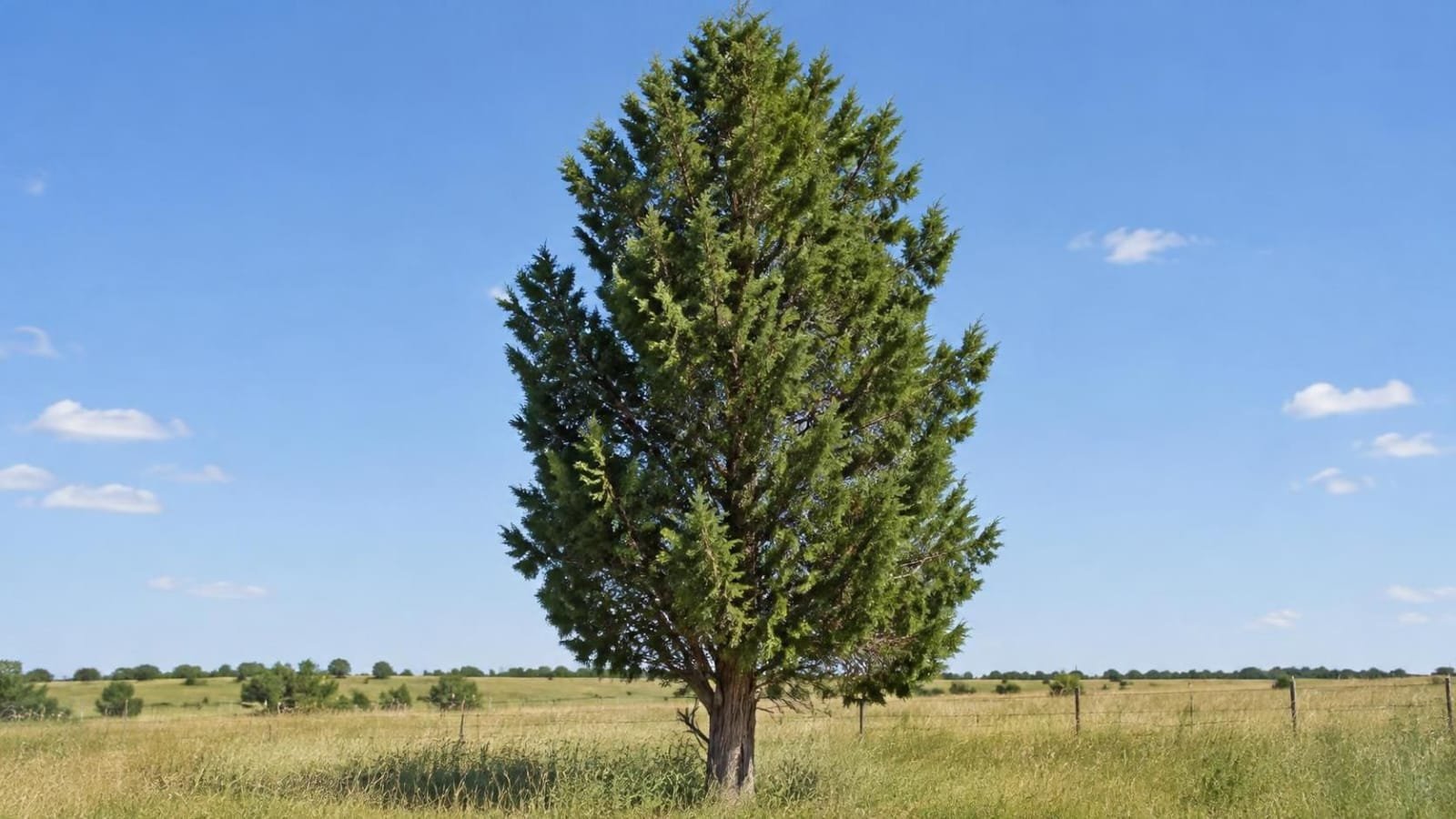
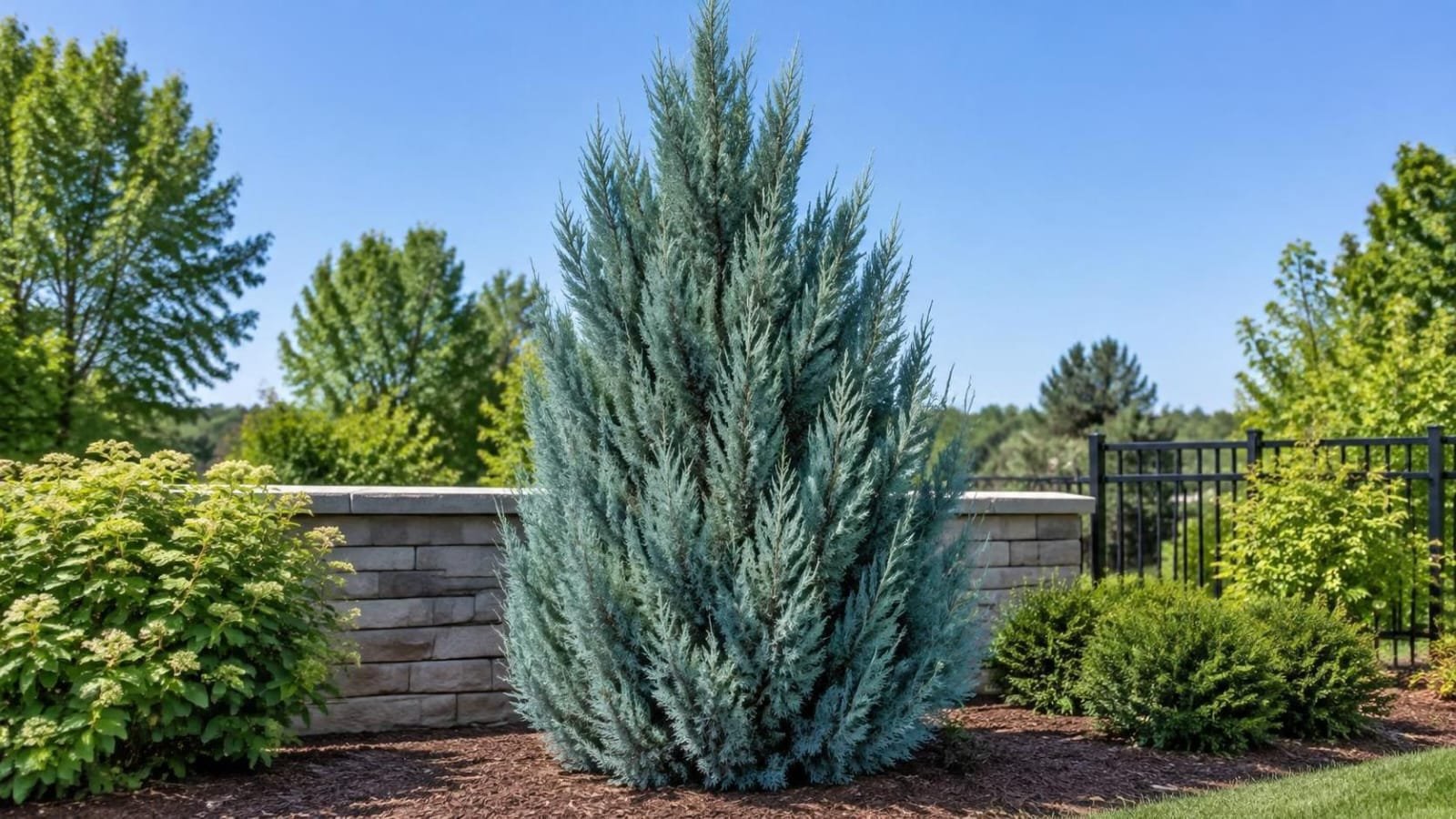
Those traits make it easy to spot at the nursery. If the plant has upright, column-shaped growth, it’s a different juniper.
How big it gets and how fast it spreads
The two main profiles don’t agree on size or speed. Here are the numbers side by side.
| Source | Height | Spread | Growth note |
|---|---|---|---|
| Extension gardener profile | 4 to 6 inches | 4 to 6 feet | Rapid |
| RHS profile | 4 to 20 inches | About 8 to 13 feet | 10 to 20 years to maturity |
Treat the spread as a range. If the plant sits near a path or an edge, plan for the wider number. That way it won’t grow over the edge later on.
How to plant Blue Rug juniper
Start with the site. Blue Rug needs full sun, which means six or more hours of direct light a day. It likes well-drained soil. It puts up with moderately poor soil and handles a wide pH range, from acid to alkaline. Clay, loam, sand, and shallow rocky ground all work, as long as water moves through.
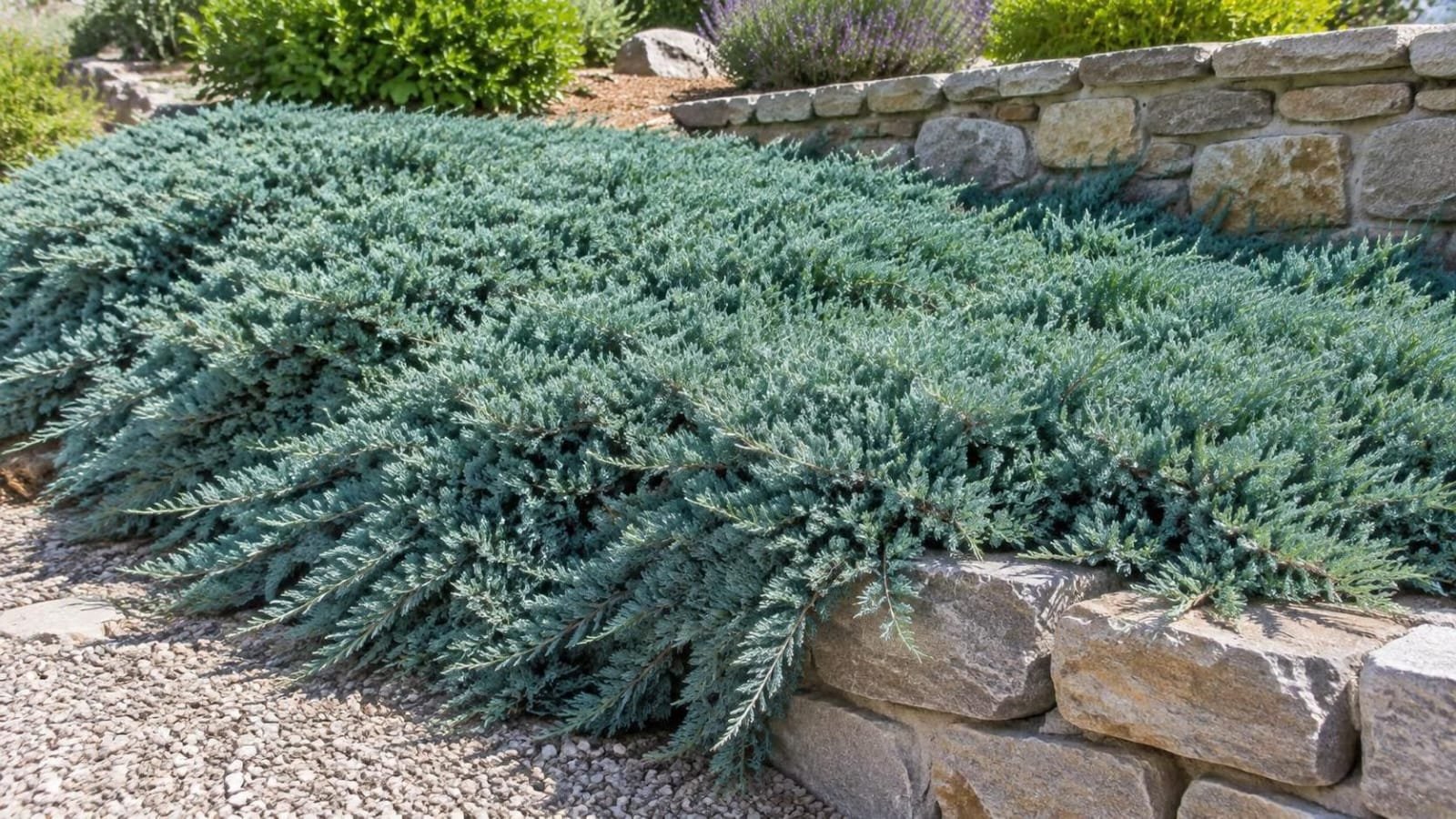
Slopes and walls are good spots. This plant doesn’t need the moist conditions some other cultivars need, so it suits dry, sunny banks and retaining walls. Stay away from low spots where water collects after rain.
Spacing depends on how fast you want the bed to fill in. Closer plants knit together sooner, but they crowd as they spread. Plan around the mature width, not the size in the pot.
Set each plant at the same depth it grew in its container. Water it in well, and keep the soil evenly moist through the first season.
Care after planting
Once it’s established, Blue Rug handles dry spells well. It also tolerates wind, salt, and deer. That makes it a useful choice for exposed or roadside spots.
You rarely need to prune it. If a stray shoot pokes out of the mat, cut it back in early spring.
Go easy on the fertilizer. Heavy feeding pushes growth upward and can ruin the low, flat habit you bought the plant for.
Expect a purplish tint in winter. This cultivar turns that color when the weather gets cold. It’s normal, so don’t mistake it for damage.
Blue Rug juniper as a ground cover
This is where Blue Rug earns its keep. Use it on banks to hold soil, on slopes where runoff leaves the ground dry, and over walls where the branches can trail down. It also suits rock gardens, where the branches spill over the stones.
Wear gloves when you handle it. The foliage can irritate skin and is harmful if eaten, so keep it away from pets and kids who like to chew on plants.
If you want a broader look at the creeping group, the Creeping Juniper guide covers varieties and planting for the category. This article stays focused on Blue Rug.
When the mat turns brown or thin
Start with the calendar. A purple tint in winter is normal. Brown or thin patches in spring or summer are a different story.
Next, check the drainage. Wet soil is the main risk for this plant, and it can lead to root rot. Dig a few inches down near a brown patch a day or two after rain. If the soil stays soggy, the site is probably the problem. Improving drainage or moving the plant is a better fix than watering more.
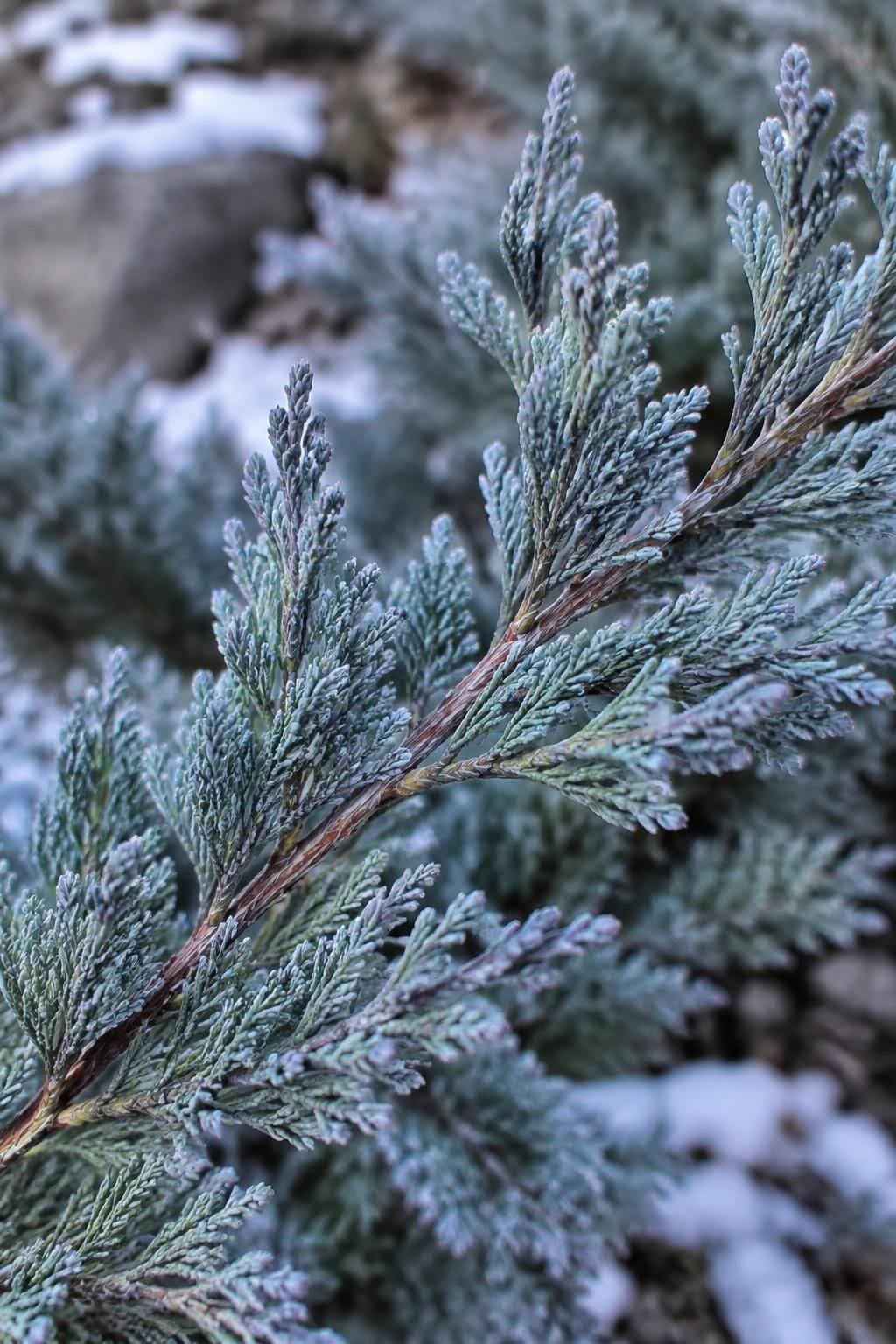
Then look closer at the stems and needles with a hand lens. Scale insects, mites, and webworms all show up on junipers, and several are listed as pests for this plant. Check the undersides of the scale leaves and the base of the stems for small insects, sticky residue, or fine webbing.
Disease is harder to confirm from a photo. The disease list for this plant includes root rot and honey fungus, and both can look like plain drainage stress at first. A local extension office can test a sample before you dig up the whole bed.
Blue Rug or another juniper?
Pick Blue Rug when you want a flat, spreading cover. If you need height, the Taylor Juniper guide covers a tall, narrow column. For a vertical screen, the guides for Blue Point Juniper, Blue Arrow Juniper, Skyrocket Juniper, and Spartan Juniper each cover their own size and care.
For a low shrub in a different form, see Blue Star Juniper. Moonglow Juniper has its own sizing and care notes, and the Juniperus Virginiana guide explains how the species and its varieties fit together.
Blue Rug works well when the spot is sunny, the soil drains, and you can give the plant room to spread. Get those three right, and the plant does most of the work.