Spartan juniper is a popular column in the trade. It’s dense, dependable, and easy to shape. Gardeners reach for it when they need a tall green wall in a narrow space. The catch is that sources disagree on how fast it grows and how wide it gets, so the numbers need a closer look.
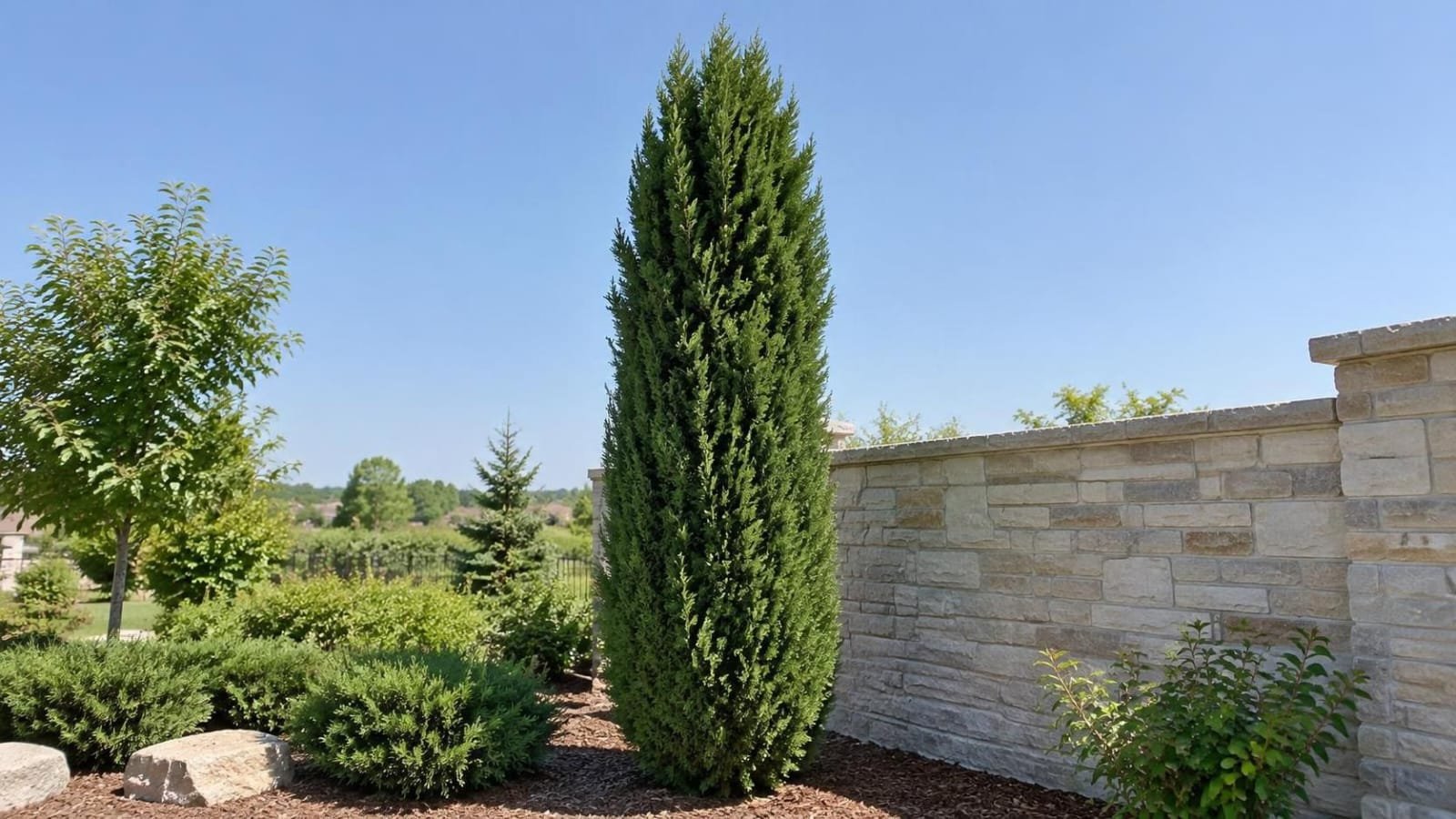
Spartan juniper (Juniperus chinensis ‘Spartan’) is a dense, columnar evergreen with dark green foliage. Most sources put it at 15 to 20 feet tall and 3 to 5 feet wide. Growth runs from moderate to fast. It needs full sun and well-drained soil, and it rarely needs pruning to keep its shape.
What Spartan juniper is
Spartan is a cultivar of Chinese juniper, Juniperus chinensis. The species is large and variable, and the NC State Extension describes it as a bushy conical tree with many cultivars. Spartan is one of the narrower, upright forms in that group.
Spartan started as a seedling selection. The American Conifer Society says Monrovia Nursery named it in 1961. It was introduced as a formal accent, screen, and windbreak plant, and it’s still one of the best-selling upright junipers in the trade.
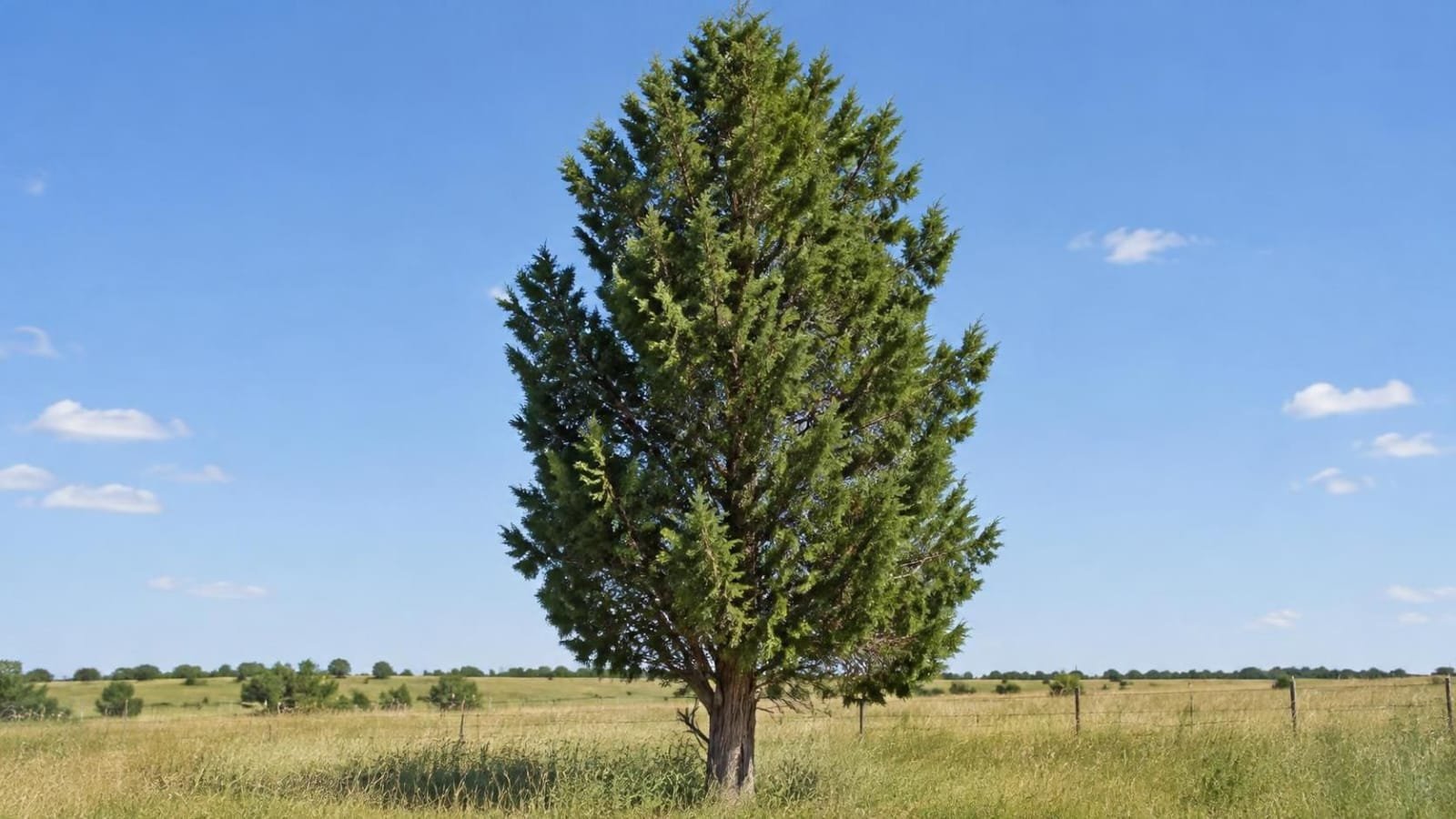
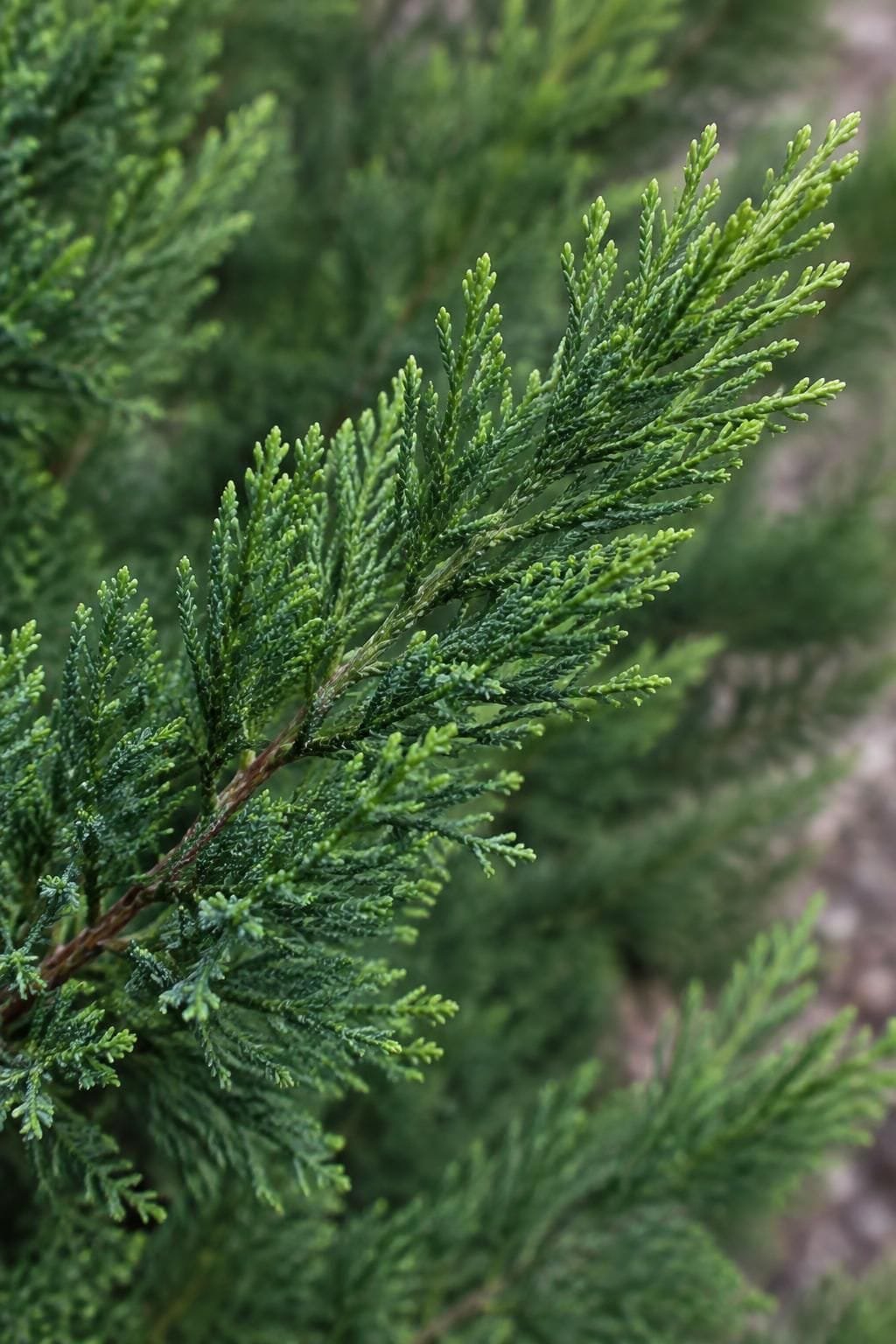
The plant has a clear look. Growth is dense and columnar, with a tight outline and a slightly rounded top. The foliage is dark green and scale-like. Like many Chinese junipers, it has prickly young needles and mature scale leaves on the same plant, depending on the branch.
How tall and wide Spartan juniper gets
The table shows how sources handle size. Most agree on the basic shape, but the height ranges from 12 feet to 25 feet depending on who is writing and what kind of plant you are looking at.
| Source type | Mature height | Mature width | Growth note |
|---|---|---|---|
| Cultivar profile, after 10 years | 15 feet | 3 to 5 feet | 12 to 15 inches a year |
| Woody plant database | 15 to 25 feet | 4 to 8 feet | Not listed |
| Large-nursery listings | 15 to 20 feet | 3 to 5 feet | Moderate |
| Garden-center listing | 15 feet | 5 feet | Slow |
| Online retailer listing | 15 to 20 feet | 4 to 5 feet | About 12 inches a year |
The American Conifer Society profile gives the most specific numbers. A plant reaches about 15 feet tall and 3 to 5 feet wide after ten years. Most nursery listings match that height for a Spartan juniper tree, but the taller database figures suggest a plant can grow past 20 feet if conditions are right.
For planning, use 15 to 20 feet tall and 4 to 5 feet wide. That covers most landscapes. If you have a tight spot, measure the width first, because Spartan rarely spreads much past its column.
A 15-foot plant is taller than most foundation shrubs. Leave room for the top, and keep it clear of eaves and power lines.
Spartan juniper growth rate: how fast it grows
Growth rate is another point of disagreement. The American Conifer Society rates Spartan as fast, at about 12 to 15 inches a year. Many nursery listings call it moderate. At least one retailer lists it as slow. The difference often comes down to site and age.
A young plant in a small pot will look small for several years. Once it takes hold, it can add a noticeable amount of height each season. Give it steady water and full sun, and it will show its best speed.
Expect the first two or three years to look modest. After that, the column starts to read as a real screen. If you need a full screen in one season, you’ll need taller starter plants, which cost more.
Why do the numbers differ so much? Part of it is age, and part is the plant you happen to buy. A three-gallon plant and a fifteen-foot balled-and-burlapped specimen are different starting points. Ask the grower how old the plant is and how long it has been in the pot. That tells you more about its future speed than any catalog line.
Where Spartan fits in the landscape
Spartan works best where height matters and width does not. It makes a strong formal accent beside a door, a pair of plants flanking a gate, or a row along a driveway. It also works as a windbreak in a narrow yard, where a broader shrub would take too much room.
The Clemson Extension guide to large junipers notes that junipers in this size class can form natural screens and hedges with little shaping, and Spartan fits that role well. Plant the row at about its mature width so the columns close without crowding.
Spartan is often compared with other Chinese juniper cultivars. The Blue Point juniper size and care guide covers a plant that many gardeners also use as a vertical accent, though its size profile is quite different. Read both guides before you decide.
Spartan is also one of several narrow upright options. The Blue Arrow juniper growth rate guide covers a Rocky Mountain juniper with a similar role, and the Skyrocket juniper growth rate guide covers an older column that many growers now compare with newer selections.
If you want a broader or taller plant for the same job, the Moonglow juniper size and care guide covers a larger Rocky Mountain juniper. For a narrow eastern redcedar form, the Taylor juniper growth rate guide is a useful comparison.
Planting Spartan juniper
Pick a site with full sun. Spartan needs direct light for its dense, dark color, and a shaded plant will thin out. Most sources list six or more hours of direct sun as the target.
Soil drainage matters more than soil type. The Virginia Tech publication on Chinese juniper says Chinese junipers adapt to most soils except poorly drained ones, and they accept a wide pH range from acid to alkaline. Avoid low spots where water collects after a storm.
Plant at the same depth the plant grew in its pot. Set it in a hole about twice as wide as the root ball, and backfill with the native soil. Water it in well, and keep the soil moist but not soggy for the first season.
For a screen, space Spartan junipers at about their mature width. Plants spaced tightly will fill in sooner, but they crowd as they widen. Give them room, and they’ll look better in five years.
If you’re planting a single accent, go with a plant that already has its full column. A taller starter gives you the look you want sooner, even though it costs more. Smaller plants catch up over time, but they need patience.
Before you buy
Plan the width first. Spartan is a column, but a 15-foot column at 5 feet wide still takes up real space along a driveway.
Check the plant for healthy, even color and for signs of bagworm cases on the branches before it leaves the nursery.
Caring for Spartan juniper
Spartan needs very little care once it settles in. Most owners never need to prune it, although a light trim in late winter or early spring keeps the outline tidy. Skip heavy cuts, and never cut into bare, needle-less wood.
Water young plants when the top inch of soil feels dry. Once established, Spartan handles dry spells well. Long droughts still call for a deep watering every few weeks.
Feed lightly, if at all. Established plants in the ground rarely need fertilizer. If growth looks thin, use a balanced feed in early spring, and avoid heavy nitrogen late in the season.
Mulch the root zone with two to three inches of organic material, and keep the mulch a few inches away from the trunk. Mulch helps hold moisture and keeps the roots cooler in summer.
Winter care matters too. Spartan is hardy, but heavy snow and ice can split a column. Knock snow off the branches as it builds up, and avoid stacking it against the plant. A site sheltered from strong winter wind gives the plant an easier season, especially in the first two winters after planting.
Pests and diseases to watch
Spartan has a reputation for being tough, but it still has problems. Spider mites and scale are common, and bagworms are a real concern. Some gardeners report that bagworms seem to favor Spartan, so check the branches in late spring and early summer for hanging bags.
Tip blights are the main disease worry. Kabatina and Phomopsis blights can kill new growth, and the Clemson disease and pest factsheet covers how to spot them. Prune out blighted tips right away, and clean your tools between cuts.
Cedar-apple rust is also a concern. Chinese junipers can host the fungus during part of its life cycle, and the galls can reach about 2 inches. Keep this plant away from apple, crabapple, and hawthorn trees where you can.
Root rot is the main risk from wet soil. Good drainage prevents most of these problems, so fix the site before you spray anything.
Scouting is simple. Walk the planting once a month from spring through early fall. Look at the tips, the undersides of the sprays, and the lower branches. Catching a problem early almost always means a simpler fix. A strong stream of water can knock down spider mites, and bagworm cases should come off by hand while they are small.
Frequently asked questions
How tall does Spartan juniper get?
Plan for 15 to 20 feet tall. Some sources list taller plants in the ground, so measure the space before you buy.
How wide is Spartan juniper?
Usually 3 to 5 feet at maturity. That narrow width is the main reason to choose it.
Does Spartan juniper need pruning?
Rarely. A light shaping in late winter is enough for most gardens. You only need heavier pruning if you are growing a topiary.
Is Spartan juniper deer resistant?
Nursery listings describe it as deer resistant. No plant is deer proof, though, especially in a hard winter.
Can Spartan juniper grow in a container?
Yes, for a while. Use a large pot with drainage holes, and expect to repot as the roots fill it. Container plants dry out faster than plants in the ground, so check them often in summer.
Why is my Spartan juniper turning brown?
Start with the drainage, then check the tips for blight and the branches for bagworm bags and scale. Browning on inner branches can come from shade or poor air movement. If the browning spreads, a local extension office can test a sample.
Is Spartan juniper a good windbreak?
Yes. The American Conifer Society lists it for screens and windbreaks, and its narrow column fits a tight yard. Plant it close enough that the columns form a continuous line as they mature.
How is Spartan different from Blue Point?
Both are Chinese junipers, but they are different cultivars with different size profiles. Spartan is the taller, more columnar choice. Blue Point is usually broader and more teardrop-shaped. Compare the mature size on each tag before you choose.