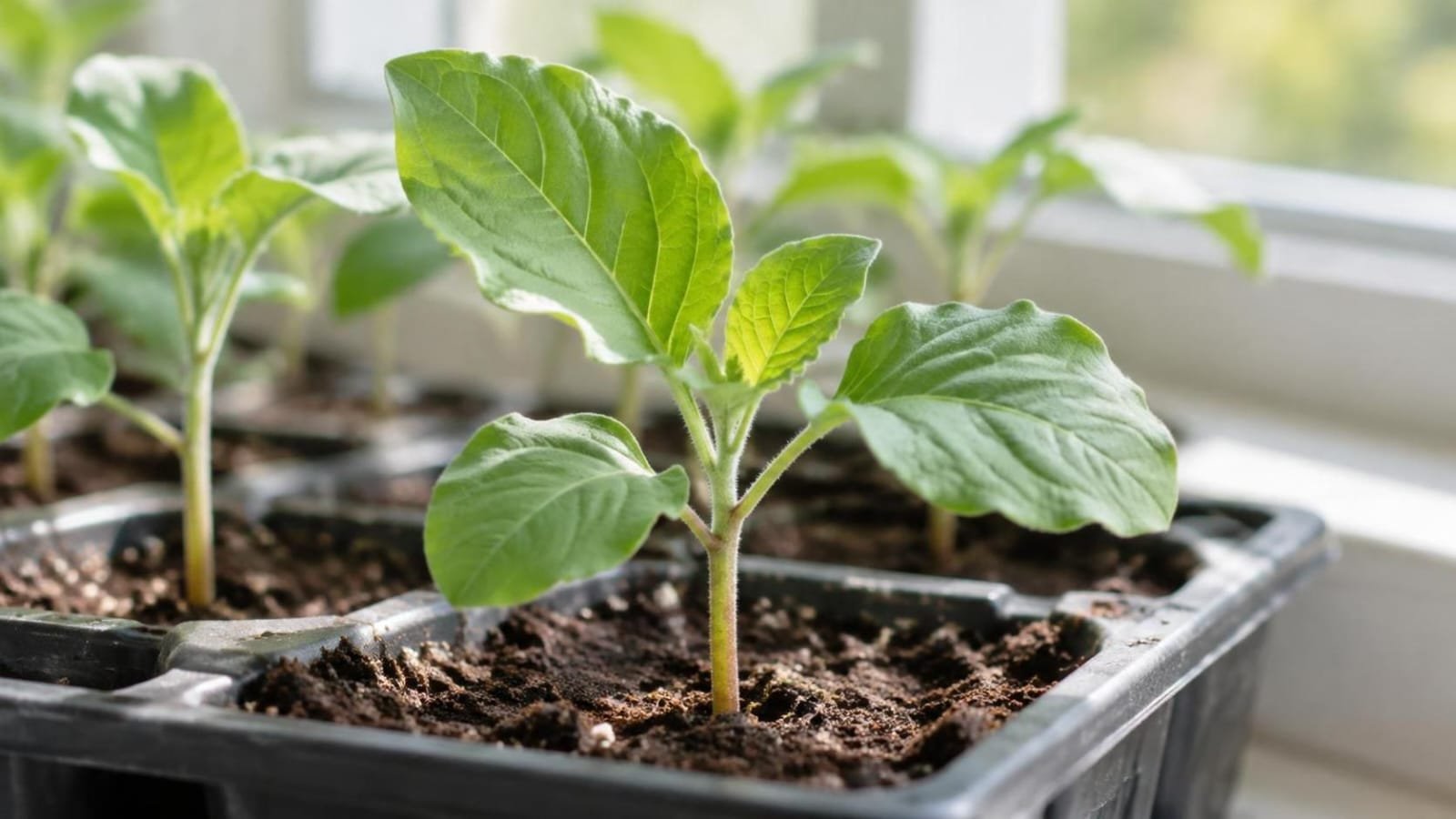
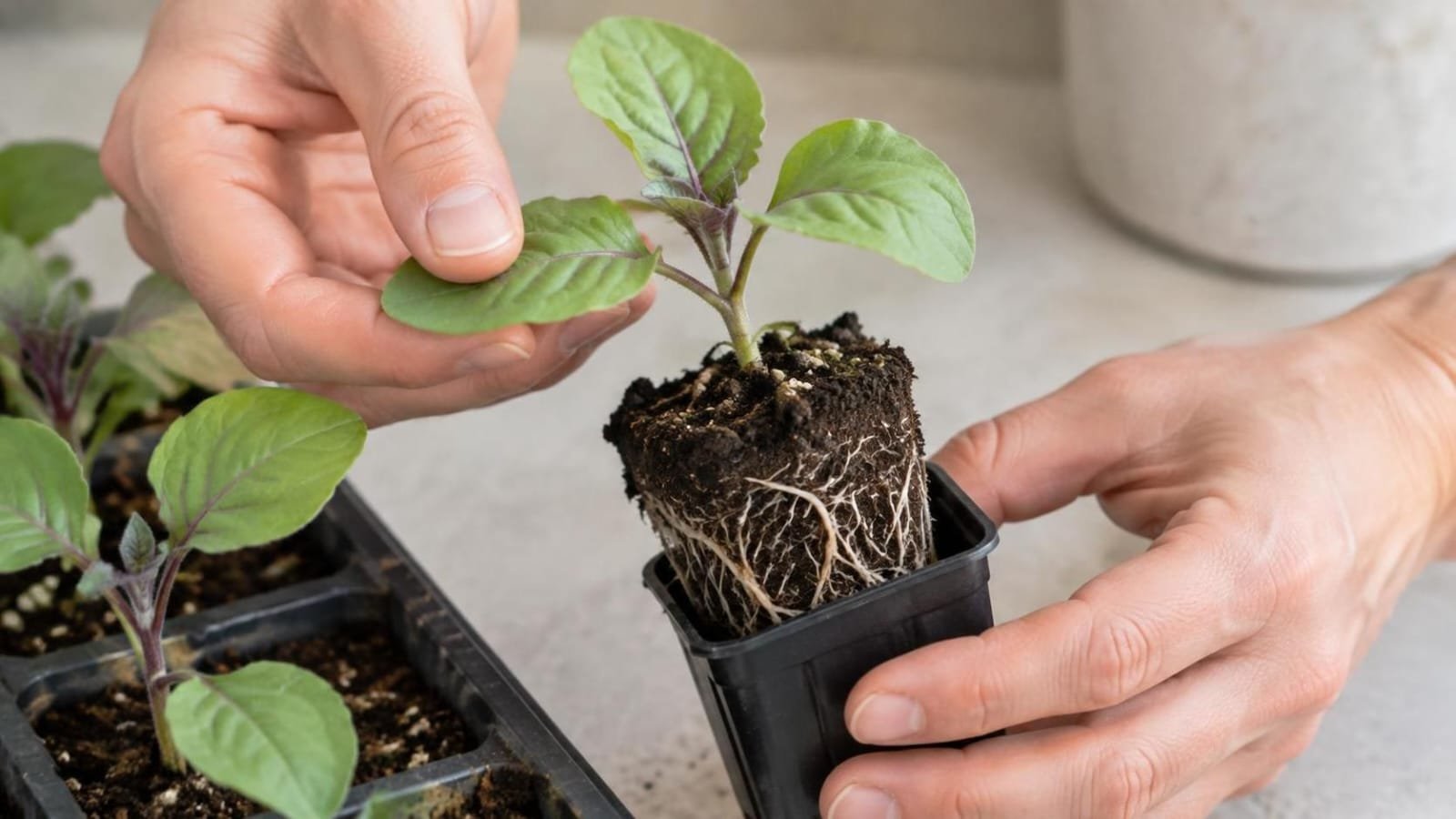
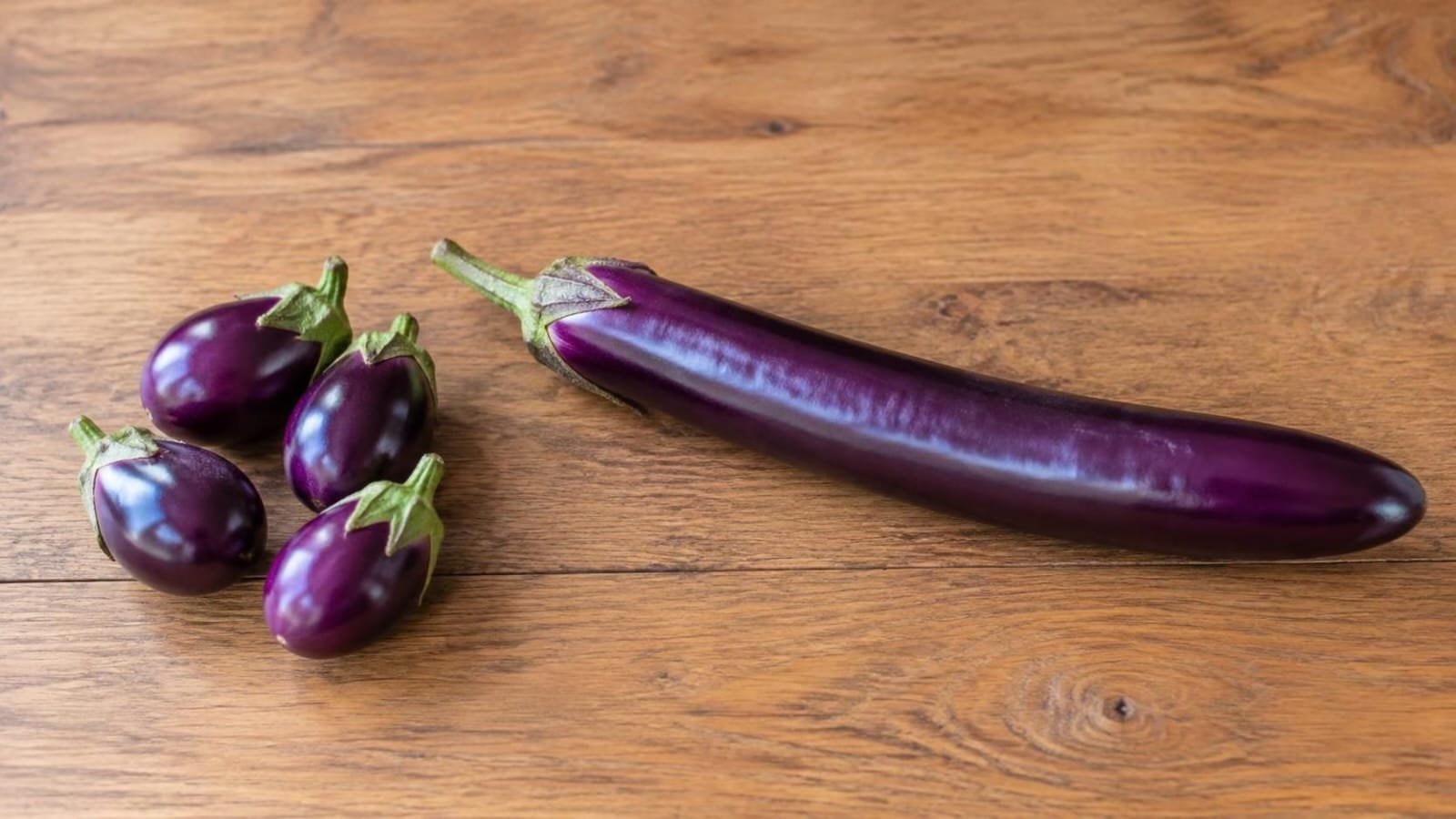
Eggplant is a perennial in botany, but most gardeners grow it as an annual. It survives only where winters stay frost-free, roughly USDA zones 9 to 12. Elsewhere, you can overwinter a plant indoors. Dig or pot it before the first frost. Keep it in bright light, and bring it back out gradually in spring. Expect a weaker plant and fewer fruit after the first year.
Many gardeners are surprised to learn that eggplant can live for years. The idea is appealing, especially if you have a productive plant you don’t want to lose. This guide explains what perennial and annual mean in practice. It also covers when overwintering makes sense and how to do it.
Is eggplant a perennial or an annual?
The answer depends on your climate. Harvest to Table describes eggplant as a very tender warm-season perennial that gardeners grow as an annual. In the plant’s native range, it lives for several years, but frost ends it quickly.
In practice, the difference is simple. A perennial survives the winter and grows again the next year. An annual completes its life in one season. Eggplant acts like a perennial only where frost stays away. In most of the country, one hard frost kills the plant.
Why does frost kill eggplant?
Eggplant evolved in warm, frost-free regions. Its leaves and stems hold a lot of water. That water freezes inside the tissue when temperatures drop below freezing. The damage often shows as blackened leaves and soft, collapsed stems within a day or two.
Frost is not the only danger. Eggplant is also sensitive to chilling. Cold nights in the 40s and low 50s can slow growth and damage tissue even when nothing freezes. That’s why the move indoors should come before nights settle into the 40s, not just before the first frost.
A light frost may only burn the top growth. Roots may survive if the soil stays above freezing, and the plant can sometimes regrow from the base in spring. That outcome is unpredictable, so don’t count on it. A hard freeze usually kills the plant to the ground. That’s why the first frost date is such a clear line.
Can you protect a plant outdoors in a mild winter?
In zones 9 and 10, some gardeners protect plants outdoors on cold nights with blankets, row covers, or temporary shelters. The protection has to be large enough to cover the whole plant and trap some heat. The Atlanta Journal-Constitution notes that a small cloche usually won’t protect a plant well enough. Plan on covering the plant, not just the top of it.
Outdoor protection works best when nights drop only a few degrees below freezing. In a hard cold snap, moving the plant indoors is safer than relying on covers alone.
Which climates let eggplant live outdoors through winter?
Garden Guides describes eggplant as perennial in USDA zones 9 to 12. Harvest to Table narrows the list, noting that the plant can grow as a perennial in zones 10 and 11. In zone 8 or colder, plan to treat eggplant as an annual or overwinter it indoors.
Zones are only a starting point. A sheltered microclimate, such as a south-facing wall, can keep a plant alive in a colder zone. Watch the first frost date and the lowest winter temperature in your area, rather than relying on the zone alone.
Is overwintering worth the effort?
It depends on what you want. Overwintered plants often lose vigor from one season to the next. Homes and Gardens notes that vigor drops year over year, though a plant can produce well for a few seasons. Bangor Daily News reports that eggplant is technically perennial. It produces for several years only in warm climates.
Expect fewer fruit in the second and third years. Many gardeners keep an overwintered plant as a head start for early harvests, rather than as a long-term production plant. If you want a full crop, starting fresh from seed each year usually gives better results.
Which plants are good candidates for overwintering?
Choose a healthy, well-formed plant that has shown good vigor during the season. A plant that struggled with pests or disease will carry those problems indoors. If you have limited space, choose a compact or mid-sized variety. Large plants are harder to move and keep under lights. Types of Eggplant: 15+ Varieties to Grow covers plant size by type.
Pot size matters too. A plant that fits a container can be lifted and moved without much root damage. How to Grow Eggplant in Containers and Pots covers pot choice for the growing season.
When should you start the overwintering process?
Start before the first frost. The goal is to move the plant indoors while it’s still healthy, not after it has been damaged by cold. Watch the forecast in early fall. Move the plant before nights drop into the 40s and 50s. Chilling can damage it well before the first frost.
Timing also depends on how much growth the plant has. Late-season fruit may still be ripening. If you’re close to a harvest, you can pick the remaining fruit first and then start the move. Eggplant Growth Stages: Seed to Harvest shows the stages a plant passes through before fruiting ends.
How do you prepare the plant for indoors?
Start with a pest check. Look at the undersides of leaves and along the stems. Insects can ride indoors and spread to houseplants. Treat any problem before the plant comes inside. Remove dead or damaged leaves, and reduce the plant’s size so it fits the space you have.
Next, lift the plant with a generous root ball. If it’s in the ground, dig carefully to keep as many roots as possible. If it’s in a container, move the pot as it is. Water the plant a day or two before lifting, so the soil holds together.
How do you acclimate the plant to indoor conditions?
University of Vermont Extension advises bringing tender perennials in gradually. Move them to a porch or sheltered area for several days before they go inside. That step eases the shock of lower light and drier air.
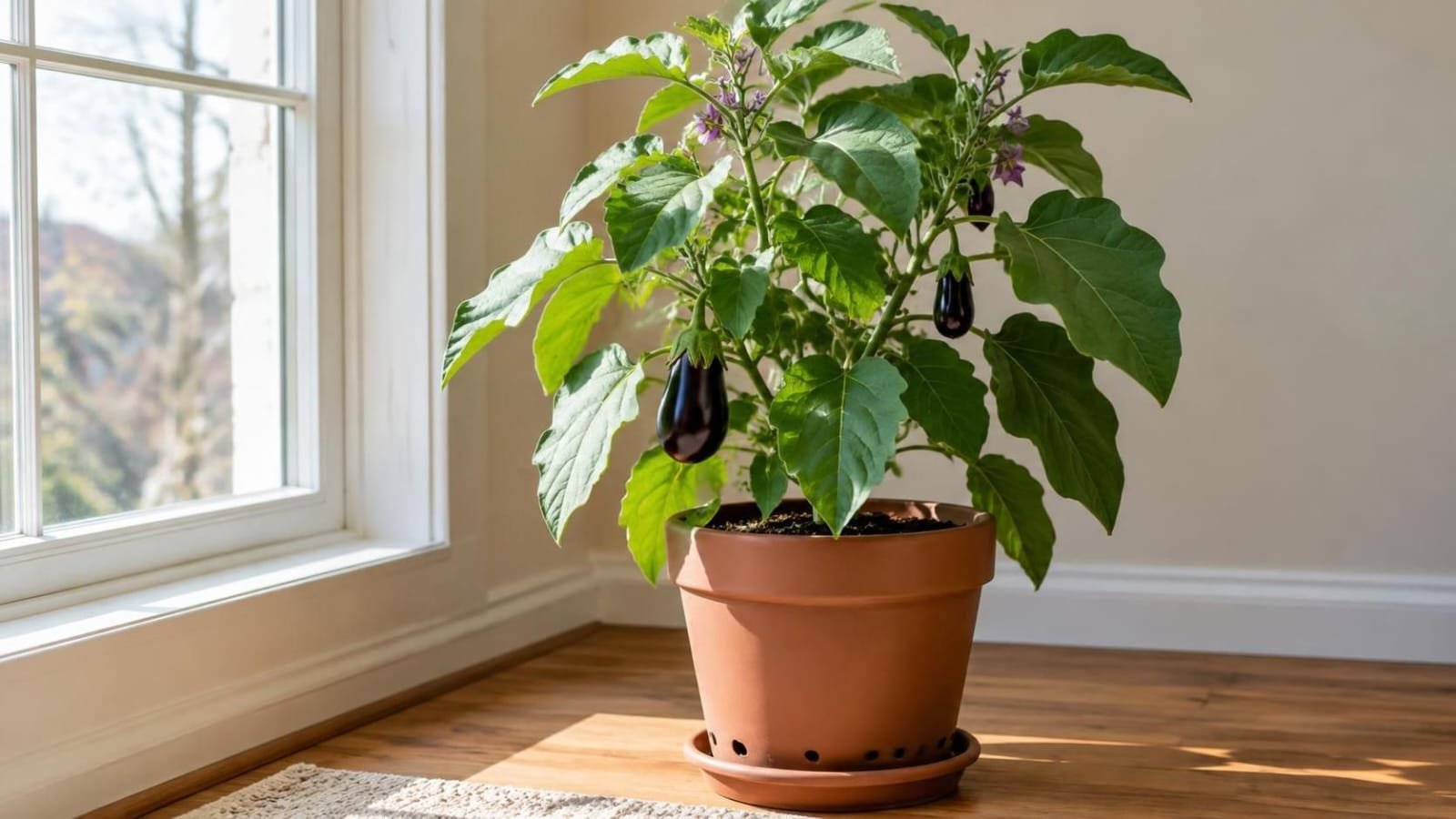
Start with a few hours in the sheltered spot, then extend the time each day. Protect the plant from wind and direct cold. Once it’s acclimated, move it into a bright room. Choose the brightest window you have, and plan for supplemental light if the window is weak. How to Grow Eggplant Indoors covers light setup in detail.
How do you care for an overwintered eggplant?
Indoor plants need less water than plants in full summer sun, because growth slows and the air dries out. Let the top of the soil dry slightly between waterings, and water thoroughly when you do. Overwatering in winter is a common cause of root rot, so check the soil before you water each time.
Keep the plant warm and away from cold drafts. Heating vents can dry the plant quickly, so move it away from them if you see wilting. Growth will be slower than in summer, so don’t expect rapid new growth until spring.
Check the plant weekly. Look for pests, yellowing leaves, and soft stems. Early action keeps small problems from turning into a major loss during the winter months. A healthy plant keeps its color through the winter, and its new leaves should unfold without stalling.
How do you bring the plant back outdoors in spring?
Wait until nights stay warm and the last frost has passed. Move the plant outdoors in stages, just as you would when hardening off seedlings. Begin with a few hours in a sheltered spot, then extend the time over one to two weeks. When to Plant Eggplant explains the outdoor timing for your season.
Expect some slow growth at first. The plant needs time to produce fresh leaves, and fruit may come later than it did from a new seedling. Once the plant is growing strongly, you can resume a regular feeding and watering schedule.
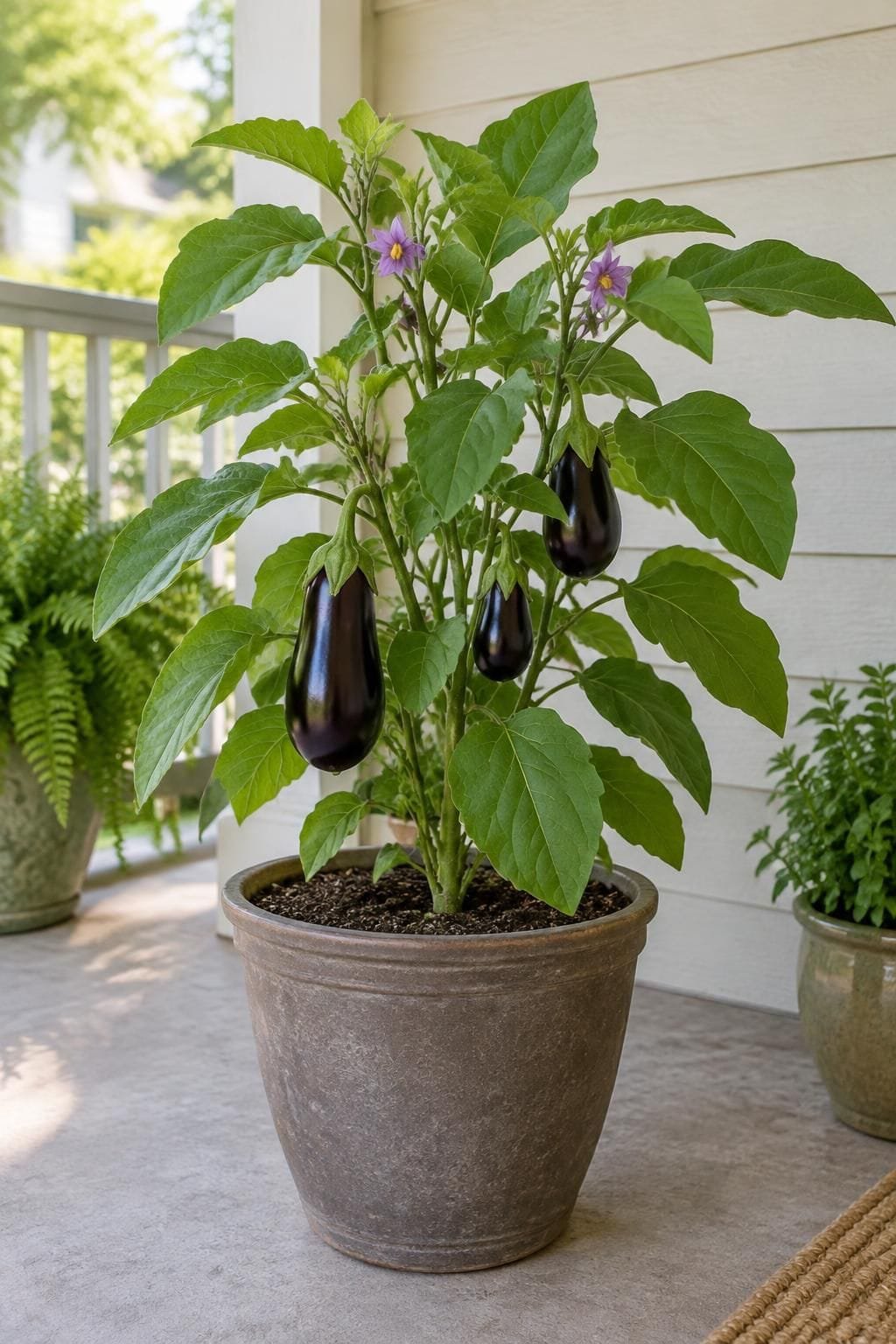
When is it better to start fresh?
Starting a new plant from seed each year gives you a more vigorous plant and a predictable harvest. That’s often the better choice for a full crop. Overwintering works best as a bridge. It gives you an early start on the next season. It also keeps a special plant alive for a few more years.
If you plan to start from seed, How to Grow Eggplant From Seed covers the sowing steps. In a greenhouse, How to Grow Eggplant in a Greenhouse shows how a protected space extends the season.
What should you expect in the second year?
Expect a plant that starts faster in spring but produces less than a new seedling in the same season. The first flowers may come early, but the fruit set can be lighter. Watch for uneven growth, and pick fruit as soon as it reaches the right size to keep the plant productive.
Keep a short record of each season. Note the date of lifting, the date of moving back outside, and the total fruit. Over several years, that record will show whether overwintering is worth the effort for your garden. For the full season, How to Grow Eggplant: Planting, Growing, and Care connects these steps to planting and harvest. Photos taken on the same date each year make changes easy to see.