The main types of eggplant differ in fruit size, shape, and color, and in how tall the plant grows. Choose by the space you have, your climate, and how you plan to cook. Globe types suit most home gardens. Mini and Asian types fit containers and small beds. Hybrids often resist disease better than heirlooms, but seed saved from a hybrid won’t grow true.
Walk into a seed catalog and you’ll see dozens of eggplants. Some are purple, some are white, some are striped, and some are no bigger than a finger. The choice can feel overwhelming. This guide sorts the main types into groups. It also shows which ones suit small spaces and how to match a variety to your garden and your kitchen.
How do eggplant varieties differ?
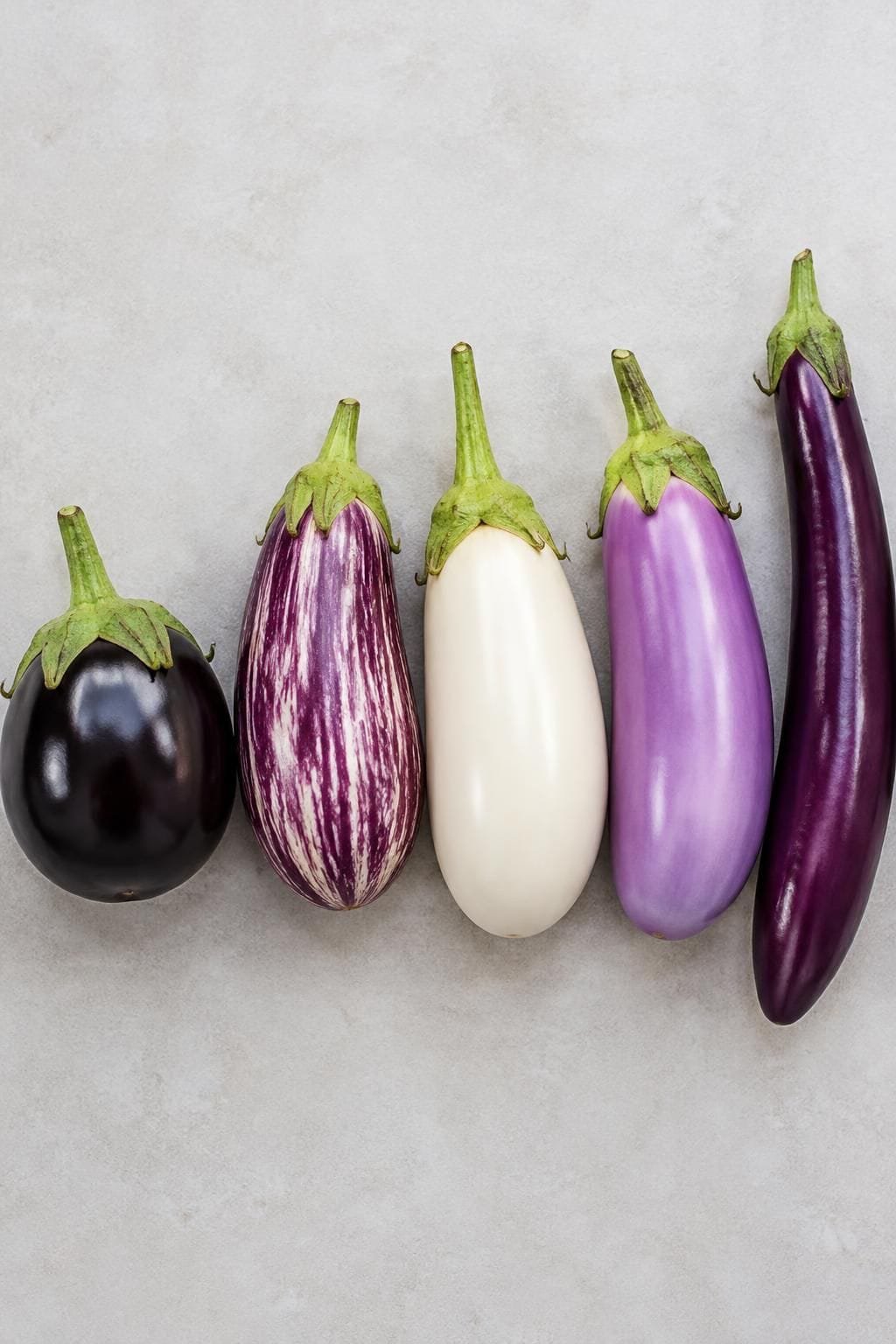
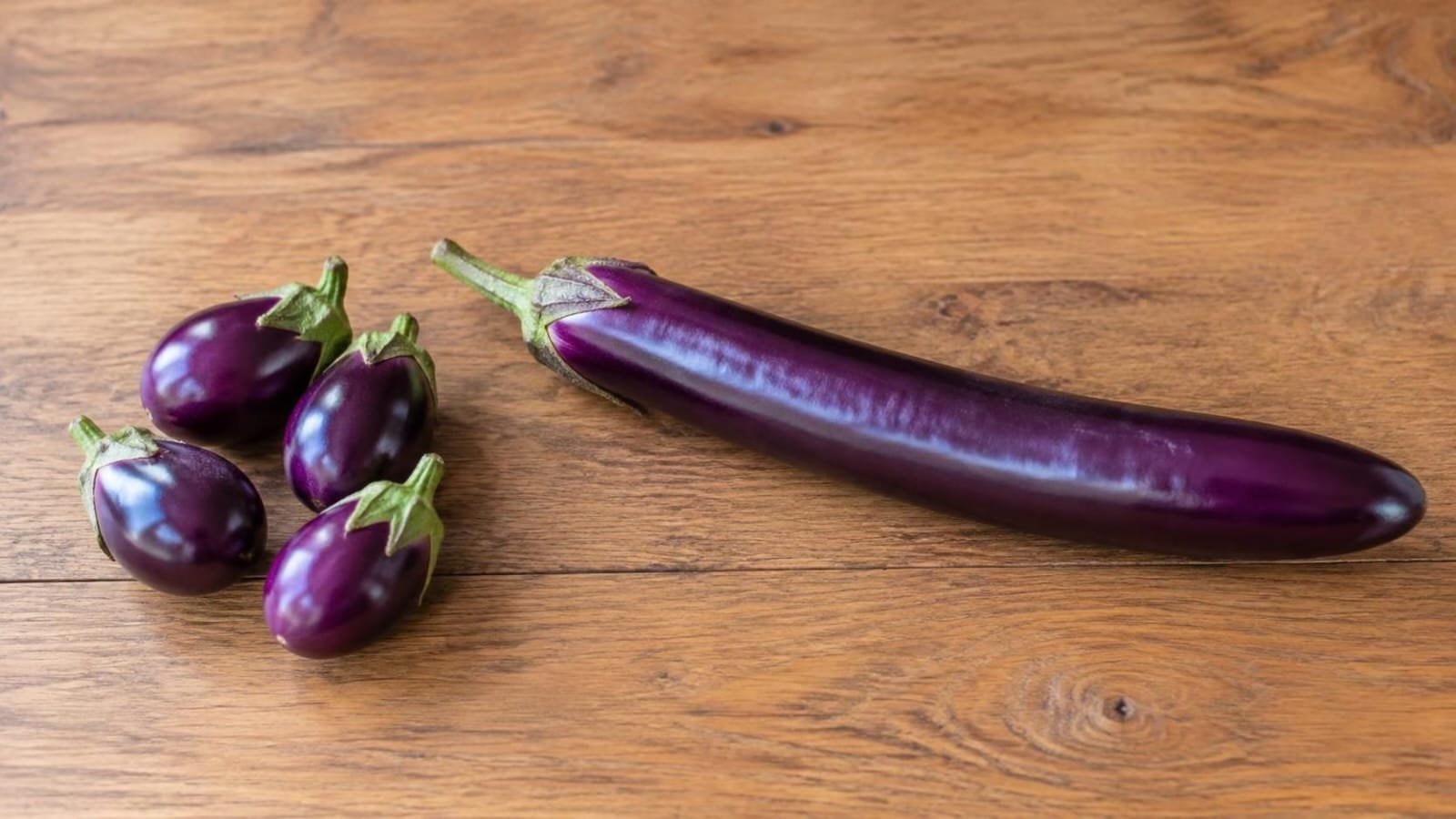
Variety differences show up in several traits. Fruit color ranges from deep purple and black to white, pink, and green. Some fruit is striped. Shape ranges from round and oval to long and narrow. Fruit size varies too. Iowa State University Extension notes that Asian types can produce fruit 10 to 12 inches long, while some miniature types stay at 1 to 2 inches.
Plant habit matters as much as fruit. UF/IFAS Extension reports that eggplant can grow up to six feet tall and may need support. Pinching the growing tips encourages a bushier form. Check the plant height on the label before you buy, because a tall variety can outgrow a small bed quickly.
| Group | Typical fruit | Plant habit | Good for |
|---|---|---|---|
| Globe or American | Large, round to bell-shaped, glossy purple or black | Vigorous, often bushy and tall | Standard home gardens and grilling, roasting, and stuffing |
| Italian | Smaller, teardrop-shaped, often lavender or purple | Moderate size, often productive | Roasting, grilling, and slicing; a good first choice for beginners |
| Asian (Chinese and Japanese) | Long and slender, thin skin, purple | Tall, needs room and support | Stir-fries and quick cooking; skins stay tender if picked young |
| Indian | Small, round or oval, dark purple | Compact to moderate | Curries and dishes that need small pieces |
| Mini or Thai | Very small, 1 to 2 inches, sometimes eaten raw | Compact, suits pots | Containers, small beds, and gardeners short on space |
| White, striped, and Sicilian | White, streaked, or zebra-marked | Moderate, varies by variety | Color and variety in the garden; some have thicker skin |
Swipe sideways to see every column.
This grouping is a starting point, not a rule. A variety labeled Italian can still grow tall, and a globe type can stay compact. The label and the seed packet tell you more than the group name does.
Which varieties suit a small garden or container?
Small spaces call for compact plants and smaller fruit. Miniature types, including Thai and mini varieties, stay manageable in pots. Names such as ‘Fairy Tale’, ‘Patio Baby’, and ‘Little Fingers’ appear often in container recommendations. Gardening Etc describes ‘Little Fingers’ as a dinky type, which is a good way to think about the whole group.
Container growers should also read the plant size on the label. How to Grow Eggplant in Containers and Pots covers pot sizing in detail. The plant-size rules are the same in a pot or a raised bed. How to Grow Eggplant in Raised Beds covers bed spacing.
What are the main globe types?
Globe types are the eggplants most shoppers recognize. The standard ‘Black Beauty’ is a classic example. Johnny’s Seeds notes that American types tend to be wider and more bell-shaped than Italian types. Black-skinned globe varieties often have large, vigorous plants that set a heavy crop.
Check the seed packet for expected fruit weight as well as length. Two globe types can look alike and still differ in size. A large globe plant needs room and firm support. It also takes more space in a garden than the mini types do. If you want one standard variety to start with, choose a globe type. It’s the easiest to find in stores and seed catalogs.
What about Italian and Sicilian types?
Italian eggplants are usually smaller and more teardrop-shaped than globe types. Southeast AgNet reports that most Italian varieties are ready to harvest in about 70 days, which makes them a practical pick for shorter seasons. Heirloom Italian types like ‘Melanzana Violetta di Firenze’ have creamy lavender color and a mild taste.
Sicilian eggplants are smaller than the standard type, with wider bases and skins streaked with purple and white. Gardening Know How notes that Sicilian types are also called ‘Zebra’ or ‘Graffiti’ eggplant. They add color and variety to the garden, and they make an eye-catching dish.
How do Asian types differ?
Asian eggplants include long Chinese types and Japanese types. They have thinner skin than globe types, and the flesh cooks quickly. The Free Range Life describes ‘Ping Tung’ as a long Chinese purple type that can grow up to 18 inches. Those long fruits need room and support.
Pick Asian eggplants young. Urban Farm and Kitchen advises not letting them hang on the vine too long, because the skin toughens quickly. Harvest when the fruit is glossy and firm, and check the plants often, since they set fruit fast in warm weather.
Are white and striped varieties worth growing?
Yes, if you want color and variety. Urban Farmer Seeds lists ‘Casper’ as a white variety with a mushroom-like flavor that works well in soups, stews, and roasts. Striped and white types often have a slightly thicker skin than the Asian types. That helps them hold their shape in cooking.
Johnny’s Seeds notes that white and striped types taste a bit more bitter than the Asian types. Their flavor is closer to the American types. Taste a small sample before you plant a large row.
Hybrid or heirloom: which should you grow?
Insteading notes that heirloom varieties can be more susceptible to diseases and pests. Breeders developed hybrids partly to solve that problem. Hybrids also appear more often in commercial production, because their yield and uniformity are predictable. Resistance is specific, though. Catalogs often list codes such as V and F on hybrid labels, which usually signal resistance to verticillium and fusarium wilt. Check the code on the label rather than assuming a hybrid resists every problem.
Heirlooms have their own appeal. They offer flavor and history. Their seed grows true only when the plants don’t cross with nearby eggplant varieties. Isolate them or grow one variety at a time. For most home growers, a mix works well. Plant a few reliable hybrids for yield and disease resistance, and grow a heirloom or two for flavor and seed saving.
If you plan to save seed, read the store-bought eggplant guide first. Seed from hybrids won’t reliably match the parent plant, and that matters if you want to keep a variety going.
Which varieties should a beginner try first?
A beginner should start with one reliable variety and one compact or early type. That combination gives you a sense of the plant’s habits without too much risk. Choose from the table below, and match the choice to your space and the length of your season.
| Variety | Group | Best use | Notes |
|---|---|---|---|
| Black Beauty | Globe | Standard garden, roasting and grilling | Classic black-purple fruit; plant needs room and support |
| Melanzana Violetta di Firenze | Italian heirloom | Roasting and slicing | Creamy lavender fruit with a mild flavor |
| Ping Tung | Asian, long Chinese | Stir-fries and quick cooking | Long purple fruit; plant needs support |
| Little Fingers | Mini or Asian | Containers and small beds | Small, finger-sized fruit on a compact plant |
| Patio Baby | Mini | Containers and patios | Compact plant with small fruit; suits a pot |
| Casper | White | Soups, stews, and roasts | Mushroom-like flavor; white skin |
Swipe sideways to see every column.
Labels and catalogs use different names for the same plant, and some varieties come and go. Check the seller’s description, the days to maturity, and the plant height before you order.
18 named eggplant varieties to compare
If you want more than the six varieties in the quick-reference table, these additional cultivar names are useful starting points for comparing seed catalogs. They span different fruit shapes, colors, and plant habits:
- Globe and oval: ‘Black Beauty’, ‘Florida Market’, ‘Nadia’, and ‘Diamond’.
- Italian and striped: ‘Rosa Bianca’, ‘Listada de Gandia’, and ‘Melanzana Violetta di Firenze’.
- Long Asian: ‘Ping Tung Long’, ‘Ichiban’, ‘Orient Express’, and ‘Millionaire’.
- Compact and mini: ‘Fairy Tale’, ‘Patio Baby’, ‘Little Fingers’, ‘Hansel’, and ‘Gretel’.
- White: ‘Casper’ and ‘Snowy’.
These are names to compare, not a guarantee that every seed supplier carries them or that all perform the same way. Check the current cultivar description for plant height, fruit size, maturity timing, and any specifically documented disease resistance.
Which eggplant varieties fit a short season?
Days to maturity tell you how long a variety needs to reach harvest. Most catalogs count from transplanting, not from sowing. Long-season globe types need a warm, long summer. Italian and mini types often finish sooner, which helps in cool regions. When to Plant Eggplant explains the calendar. How to Grow Eggplant in a Greenhouse shows how a greenhouse can extend a long-season variety.
Starting from seed gives you the widest choice. How to Grow Eggplant From Seed walks through sowing, and the variety you pick sets the timeline for the rest of the season.
Pick a shortlist for your garden
Make a shortlist of three varieties before you buy. Choose one standard globe type if you have space. Add one Italian or mini type if you need an early or compact plant. Finish with one color or specialty variety for interest. That mix covers most home gardens without overbuying.
Keep notes on how each variety performs. Record the planting date, the first fruit date, the yield, and any problems. Those notes will guide your choices next season, and they’re useful if you save seed later. Cool nights and short days can slow fruit set in every group. A variety that performs well one year may lag in a cold spring. For the full growing guide, How to Grow Eggplant: Planting, Growing, and Care connects variety choice to the rest of the season.