How long does eggplant take to grow? From transplant to first harvest, most varieties need about 55 to 85 days. From seed, the total runs 100 to 150 days in university guides, because the seedling weeks come first. The variety, the weather, and whether you start from seed or transplants all shift the number. Count from the date you plant, check the seed packet for days to maturity, and allow extra time for cool weather.
Most people ask this question because they want to plan a harvest date. The honest answer is a range, and the right number depends on where the clock starts. This guide explains how to read eggplant timing, why sources disagree, and how to work out a realistic date for your garden.
How many days does eggplant take from transplant to harvest?
The most important detail is the starting point. Eggplant days to maturity are usually counted from transplanting, not from sowing. Virginia Tech Extension lists 100 to 150 days from seed and 70 to 85 days from transplants. University of Arkansas Extension gives 100 to 150 days from seed and 60 to 85 days from transplants.
This difference explains most of the confusion. A grower who counts from sowing sees a much longer season than a grower who buys transplants. Decide which starting point you’re using before you compare numbers, and write it down with your plan.
How many days from seed to harvest do university guides list?
Michigan State University Extension reports 65 to 80 days from transplanting, and says transplants should be 8 to 10 weeks old. University of Maryland Extension gives 55 to 80 days from transplanting. The overlap is clear: most standard varieties reach harvest within about three months after they go into the garden.
The ranges vary because the sources describe different varieties and climates. A short-season variety in a warm region will finish near the low end, while a long-season type in a cool region will run toward the high end or beyond. The range tells you what to expect, not a promise for your garden.
How do varieties change the timing?
Variety is the biggest single factor after the starting point. Some Italian and mini types finish earlier than large globe types, and some Asian types set fruit quickly in warm weather. Johnny’s Seeds lists days to maturity for each variety, measured from transplant, and that number is the most useful figure to compare across packets.
Read the expected days to maturity on the packet or catalog, and compare varieties with the same starting point. A variety listed at 65 days from transplant will reach harvest sooner than one listed at 80, assuming the weather is similar. Types of Eggplant: 15+ Varieties to Grow compares the groups and their habits.
Why does weather change the timeline?
Eggplant is a warm-season crop that grows slowly in cool weather and stops in cold. Michigan State University Extension notes that temperatures below 50°F harm the plants, and that any frost kills them. Growth slows well before that point, so a cool spring can add weeks to the calendar.
Heat has limits too. An older University of California Cooperative Extension publication notes that pollination problems can occur at temperatures below 62°F or above 95°F. A hot spell can slow fruit set even when the plant is healthy. The best timing sits in the warm middle of the season, which is why transplant date matters so much. For sun exposure and heat stress, see How Much Sun Does Eggplant Need?.

How do you estimate your own harvest date?
Start with the transplant date. Add the days to maturity from the packet or a university guide. For a plant set out on May 20 with a 75-day variety, the first harvest falls around August 3. Add a buffer of one to two weeks for cool weather, since growth slows when nights stay cool.
If you start from seed, add the weeks of indoor growing before the transplant date. Under warm conditions, seed can germinate in about 5 to 10 days, according to Epic Gardening. Seedlings usually need 8 to 10 weeks before they go out, according to the Michigan State and Maryland guides. How to Grow Eggplant From Seed covers the indoor steps.
What if your season is short?
A short season limits the varieties you can grow to full size. Choose early types, buy strong transplants so you skip the slow seedling stage, and set plants out as soon as nights reliably warm. Each of those steps saves days.
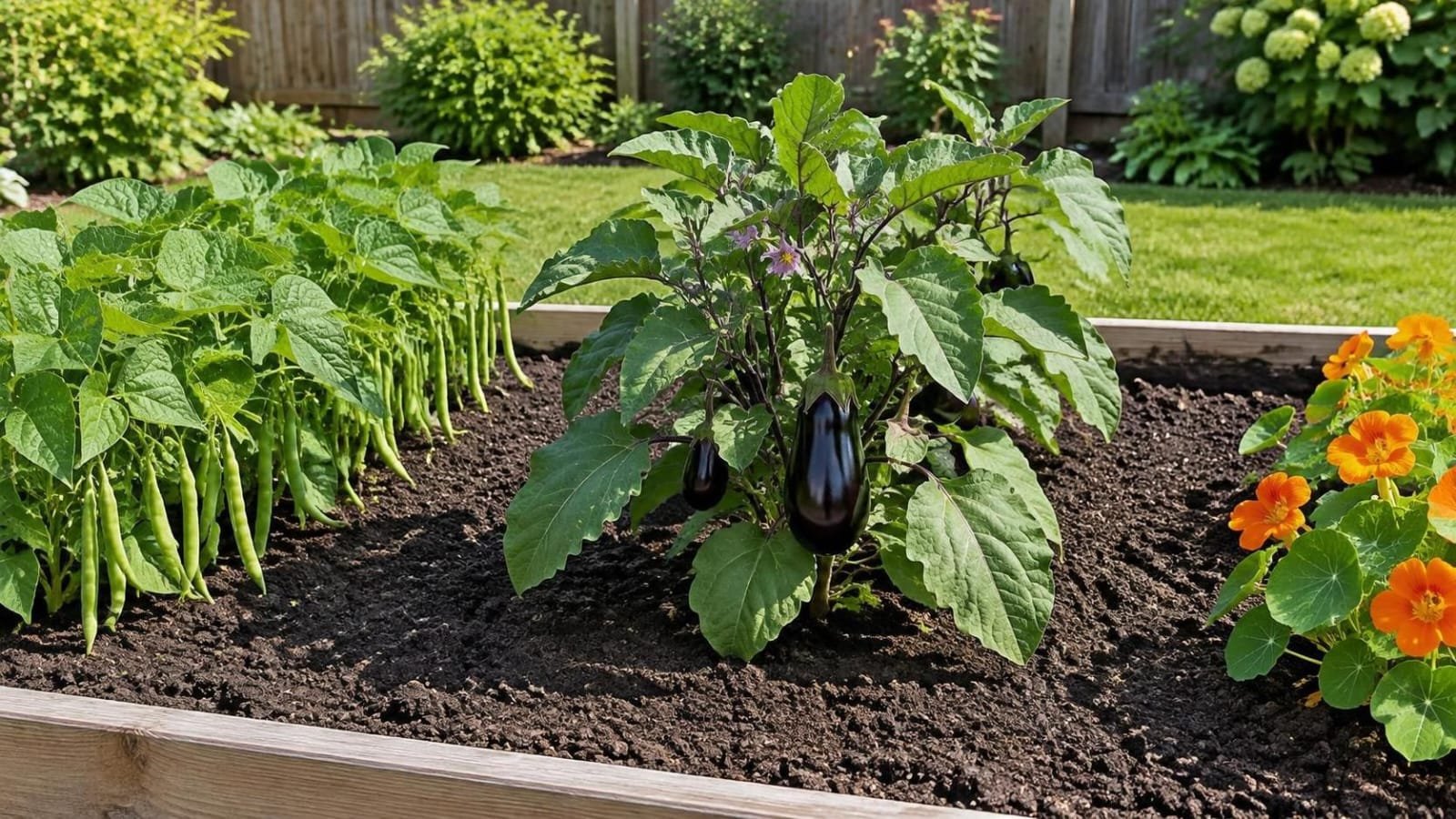
Protected growing helps too. A greenhouse or a cold frame extends the warm period at both ends of the season. How to Grow Eggplant in a Greenhouse covers protected growing. Raised beds warm faster in spring, which can help a plant start sooner. How to Grow Eggplant in Raised Beds covers bed setup.
What is a realistic harvest date for early and late types?
Think in three bands. Early varieties, often listed around 55 to 65 days from transplant, finish sooner, which helps in short seasons. Mid-season types, around 65 to 75 days, fit most home gardens with a standard frost calendar. Late types, at 75 days or more, need a long warm season and an early start.
Match the band to your season, not to your wish list. A late variety planted in a short season may produce only a few fruit before frost. An early variety in the same garden will likely give you a fuller harvest.
What should you check each week?
Check three things: the date the first flower opens, the date the first fruit sets, and the nighttime temperatures. Those three notes tell you whether the plant is on schedule. If flowers form but fruit doesn’t set, the timeline has slipped, and you can plan around the forecast instead of guessing.
Keep the notes with your planting date. A record from one season is the best guide for the next, since your soil, your weather, and your varieties all shape the result. Keep soil moisture steady while fruit develops; How Often Should You Water Eggplant? explains how to adjust irrigation.
How long does the harvest last?
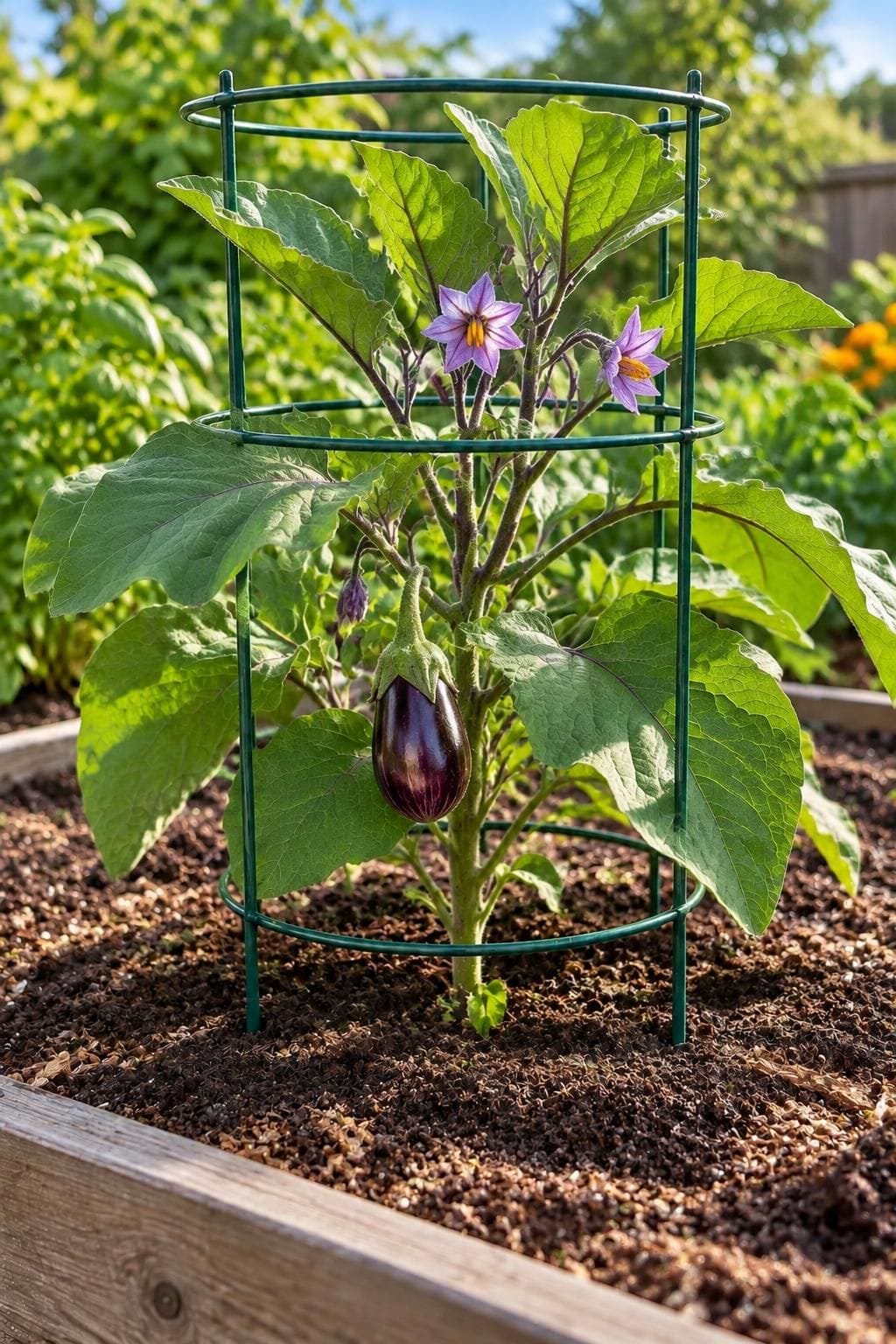
The first harvest is only the start. Eggplant keeps producing for weeks, and a healthy plant can yield through the warm season if you keep picking. The end of the harvest depends on frost, heat, and the plant’s health more than on the calendar alone.
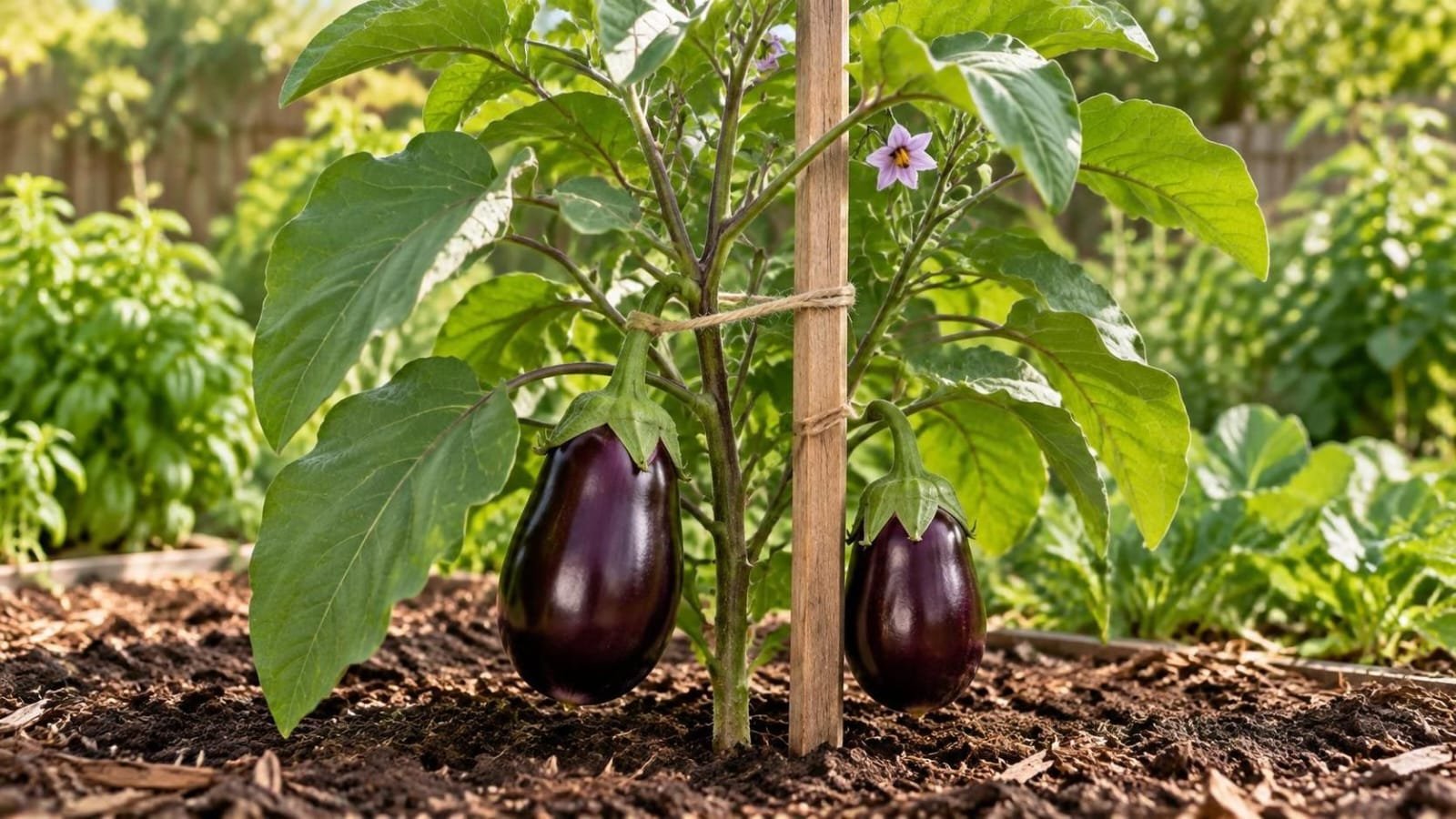
Once a flower opens, the fruit typically takes 7 to 14 days to reach harvest, according to Eggplant Growth Stages: Seed to Harvest. Picking regularly keeps the plant producing, so check the plants every few days once fruit starts.
What happens when frost arrives early?
Eggplant is a perennial in frost-free climates, but most gardeners grow it as an annual. Is Eggplant a Perennial or Annual? explains overwintering and what to expect the following year. If frost is coming, plan the harvest around the forecast and pick the remaining fruit before the first hard freeze.
How do you plan the season?
Work backward from the first frost date. Subtract the transplant time, the days to maturity, and your buffer. The result is the latest transplant date that still gives you a harvest. When to Plant Eggplant explains how to find your frost dates and set the transplant window.
For the full growing guide, How to Grow Eggplant: Planting, Growing, and Care connects timing to planting, care, and harvest.